



Black Bronze Desk Lamps
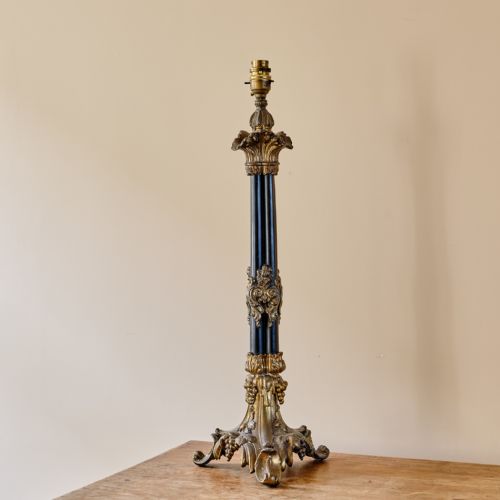
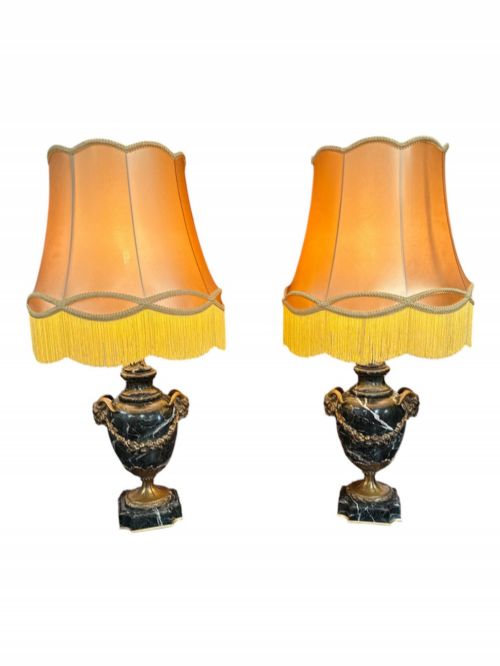
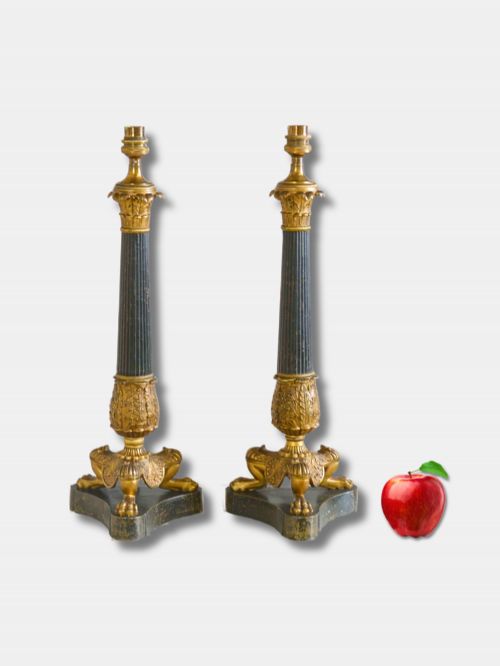
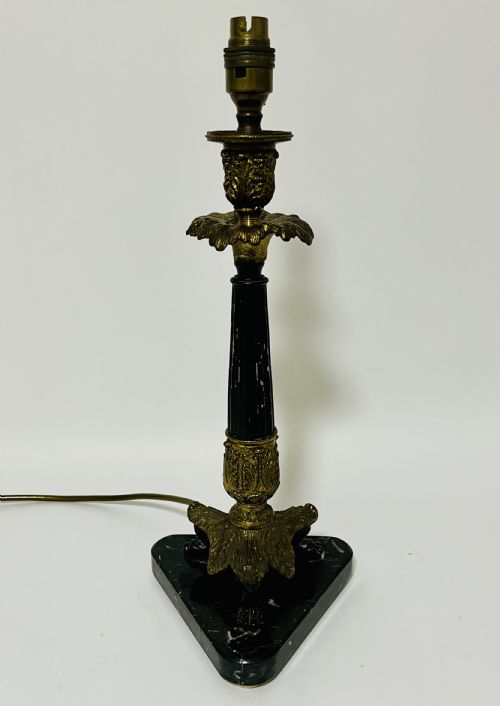
Black bronze desk lamps bring enduring character to a workspace, combining dark patinated metal with classical forms.
Black Bronze Desk Lamps
When buyers search for black bronze desk lamps, they encounter functional lighting and decorative bases spanning the nineteenth and early twentieth centuries. These pieces frequently draw upon French Empire, Art Deco, and Neoclassical design vocabularies.
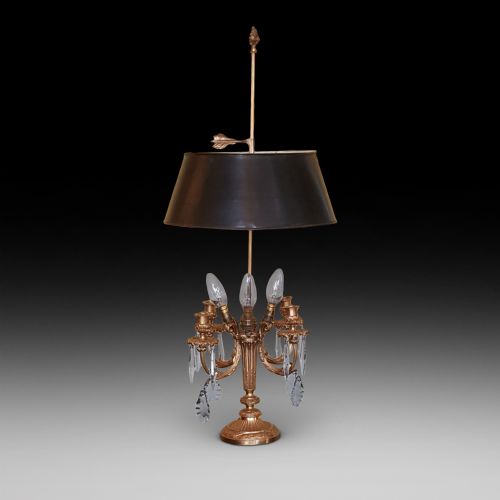
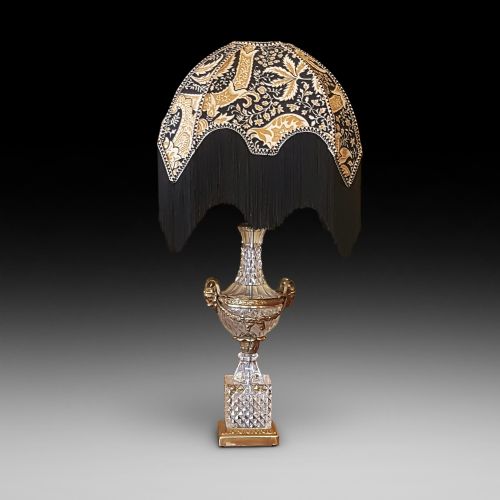
The selection on this page centres primarily on table and desk lamps, alongside converted candelabra and urn forms. Many examples incorporate contrasting elements such as white marble bases and gilt metal mounts.
Origins lean heavily toward French workshops, where makers utilised durable metal alloys to create substantial desk and table lighting. Buyers meet both single accent pieces and matched pairs intended for larger pieces of furniture.
Materials and construction methods
Foundry work relied on casting bronze, spelter, and brass, often finished with a dark patination to mimic aged bronze. Gilt bronze and ormolu details provide sharp contrast against the dark metal bodies.
A whimsical night light on this page depicts a Pierrot playing an accordion while seated on marble.
Distinctions in craftsmanship
Superior examples display crisp chasing and fine detail in the cast metal ornamentation, particularly around acanthus leaves, claw feet, and figural elements. Weaker pieces show softer contours and less defined surface textures from worn moulds.
The integration of materials dictates overall refinement, where tight joints between marble plinths and cast metal mounts indicate careful workshop assembly. Inferior construction relies on visible fixings and poorly matched components.
The Black Bronze Desk Lamps Glossary
- Ormolu
- Finely ground high-carat gold applied to a bronze base using a mercury amalgamation technique. This historic process creates a durable, warm metallic finish found on high-end period pieces.
- Spelter
- A zinc alloy commonly utilised as a less expensive alternative to bronze during the nineteenth and early twentieth centuries. It accepts patination well but possesses a lighter weight and softer structural integrity.
- Patina
- The surface sheen and colour acquired by metal through age, handling, and environmental exposure. Original patination is valued for authenticity and depth of tone.
- Neoclassical
- A design style inspired by the classical art and architecture of ancient Greece and Rome. It emphasises symmetry, strict proportions, and restrained ornamentation.
- Candelabra
- A branched candlestick holder designed to support multiple light sources. Many surviving examples are later converted into electrified lamps for modern domestic use.
Black Bronze Desk Lamps: Frequently Asked Questions
Are these lamps safe for modern use?
Most antique lighting requires professional rewiring to meet contemporary electrical safety standards. An electrician can easily update internal cords without damaging the historic body.
Ensure modern bulbs match the wattage limits of the original fittings. This protects fragile antique sockets from excessive heat.
How do I identify French Empire style?
French Empire pieces display militaristic motifs, classical columns, and paw feet influenced by Napoleonic taste. Ormolu mounts contrast sharply against dark patinated bronze bodies.
Symmetry and formal dignity govern the silhouette of these lighting fixtures. They often incorporate symbols such as laurel wreaths and sphinxes.
What is the difference between bronze and spelter?
Bronze is a heavy copper alloy known for durability and crisp casting detail. Spelter is a softer zinc-based metal that feels lighter and shows wear more easily.
Examining the underside of the base often reveals the underlying metal colour. Bronze retains a reddish or golden hue beneath scratches, whereas spelter appears silvery-grey.