


Black Brass Coffee Table
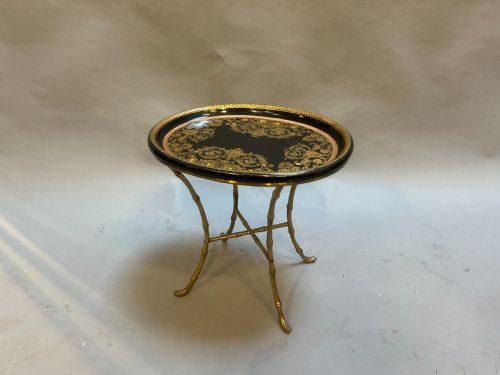
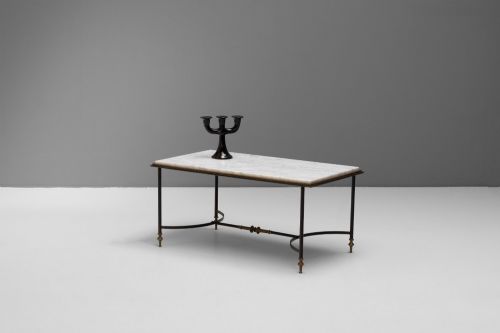
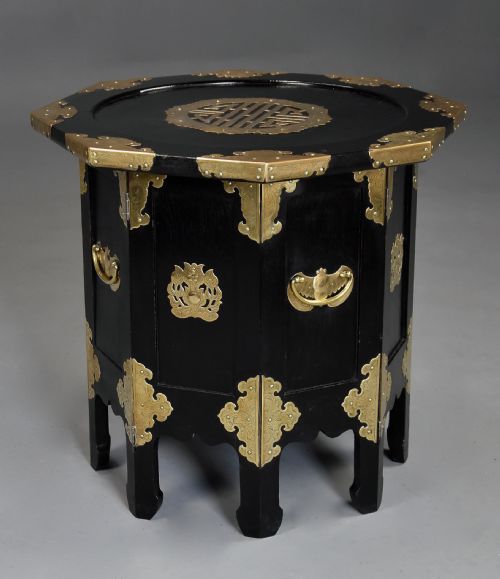
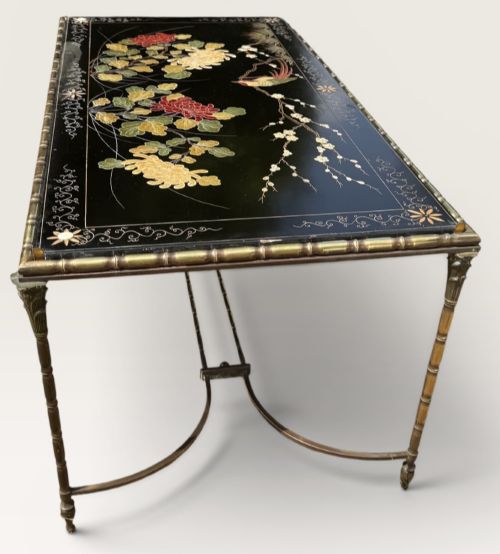
A black brass coffee table brings dark surfaces and warm metal together, offering a striking centrepiece for a sitting room.
Black Brass Coffee Table
When you search for a black brass coffee table, you are looking at a diverse selection of low tables and converted trunks that combine dark finishes with metallic mounts. The selection ranges from nineteenth-century camphor and coaching trunks to twentieth-century occasional tables and Chinoiserie lacquer pieces.
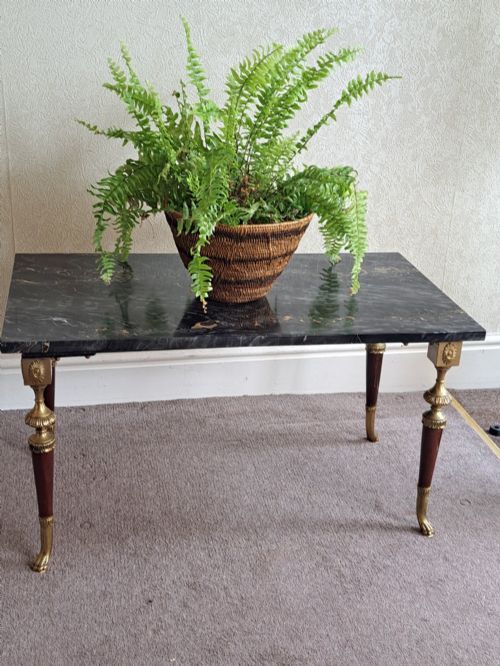
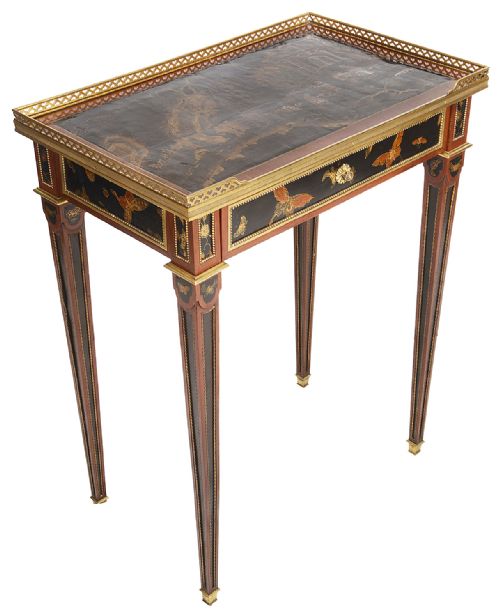
The version you are most likely to meet on this page is a mid-twentieth-century coffee table or an earlier occasional table utilising ebonised wood, lacquer, or leather alongside brass trim. These items draw on Regency, Empire, and Chinoiserie styles to create a dramatic contrast between the dark body and the bright metal highlights.
How they were made
Maker's workshops used timber foundations finished with black lacquer, ebonised surfaces, or dark leather to achieve a deep, light-absorbing base. These surfaces were frequently paired with brass binding, corner mounts, or inlaid trim to protect edges and define the geometric form.
Structural elements often incorporated marble tops or glass inserts set directly into the wooden framework. Joinery reflects the period of origin, from nineteenth-century campaign construction designed for travel to decorative twentieth-century framing.
Listings span from the nineteenth century through the 1930s, featuring materials such as brass, marble, lacquer, ebonised wood, and leather.
What varies in quality
Quality rests in the execution of the surface finish and the integrity of the metalwork. Hand-applied lacquer and fine ebonising display depth and a smooth texture, whereas lesser examples show flat, uniform paintwork.
The weight and casting of the brass mounts distinguish finer examples from standard production. Heavy, well-fixed brass corners and handles demonstrate superior craftsmanship compared to thin, stamped metal replacements.
The Black Brass Coffee Table Glossary
- Ebonised
- Wood treated to imitate ebony by staining or painting it a deep black colour. This finish was widely utilised in nineteenth and twentieth-century cabinetmaking.
- Chinoiserie
- European interpretations of Chinese and East Asian artistic traditions, often featuring painted lacquer scenes on black grounds. It gained popularity during the eighteenth century and saw revivals later.
- Campaign trunk
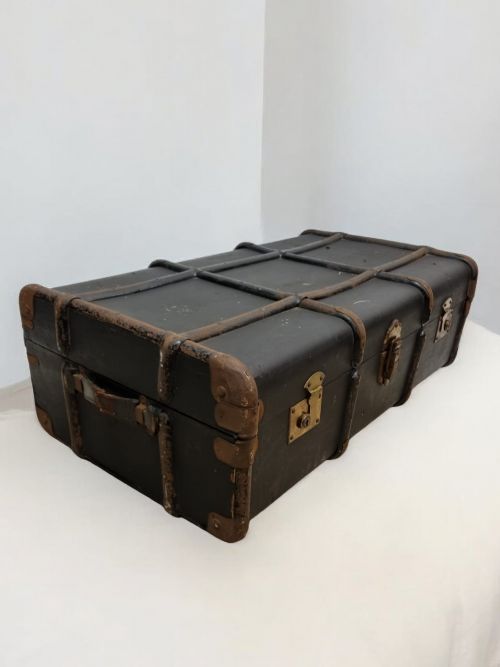
- A portable chest built in sections with recessed brass handles and corner brackets, designed for military travel. These pieces frequently feature leather or camphor construction.
- Occasional table
- A small, versatile table intended for light use around a sitting room rather than primary dining. They appear in various revival styles including Regency and Empire.
- Papier mache
- A composite material made from paper pulp or layers of paper bound with glue, pressed and dried into rigid forms. It was often painted black and decorated for small furniture.
Black Brass Coffee Table: Frequently Asked Questions
What is a black brass coffee table?
A black brass coffee table is a low surface featuring a dark body, such as ebonised wood, black lacquer, or leather, combined with brass framing, mounts, or hardware.
These pieces range from converted nineteenth-century travel trunks to decorative twentieth-century occasional tables influenced by Chinoiserie and classical revival styles.
How were antique trunks used?
Antique trunks served as durable luggage for transport by coach, ship, or train during the nineteenth and early twentieth centuries. Their robust construction protected belongings from moisture and rough handling.
Today, these trunks function effectively as coffee tables that provide internal storage while anchoring a room with dark surfaces and brass details.
How do I clean black lacquer?
Clean black lacquer surfaces with a soft, dry cloth to remove dust without scratching the delicate finish. Avoid harsh chemical cleaners or excess water.
For stubborn marks, a damp cloth with mild soap can be used sparingly, followed immediately by drying with a lint-free cloth.