

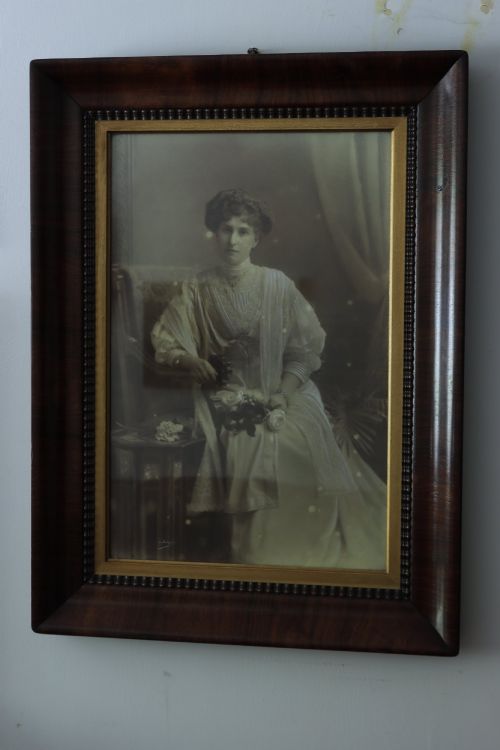


Black and Sepia Print
A black and sepia print brings monochrome depth to a wall, offering collectors monochrome tones ranging from dark ink to warm amber.
Black and Sepia Print
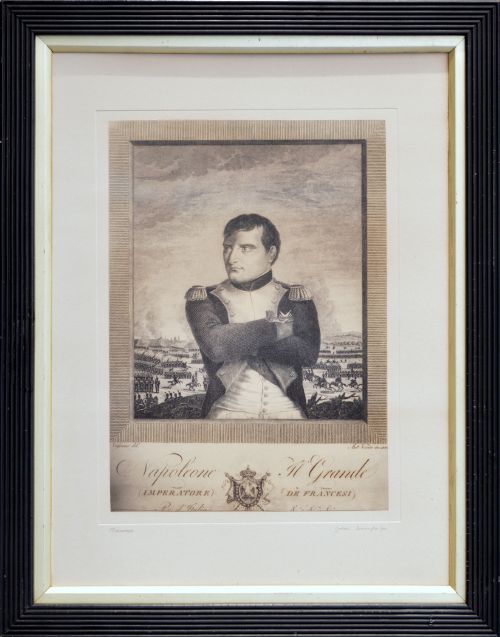
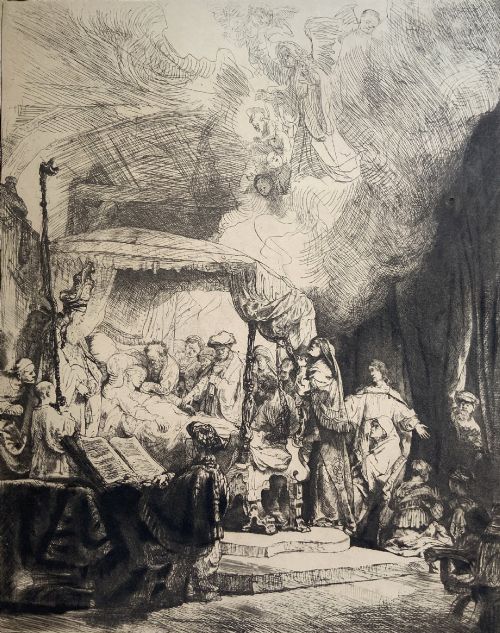
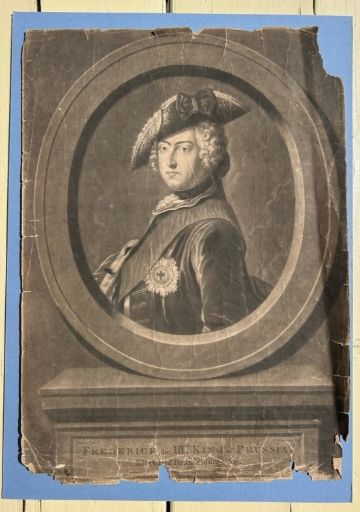
A black and sepia print covers a varied group of works on paper, spanning centuries of graphic output. You will encounter everything from early etchings and mezzotints to period photographs and architectural drawings.
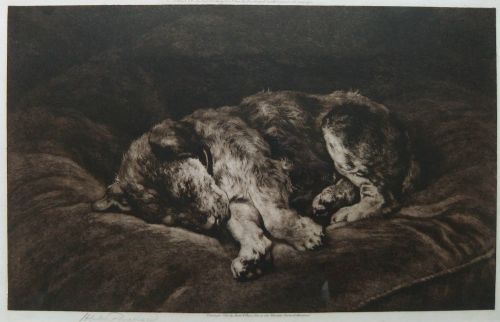
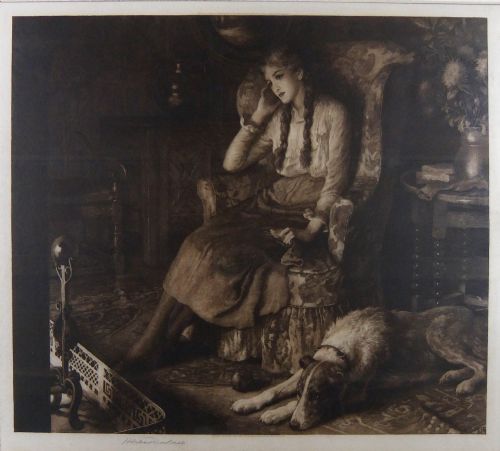
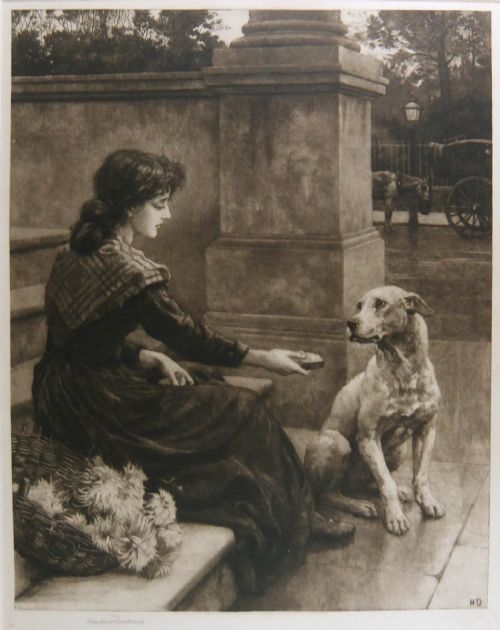
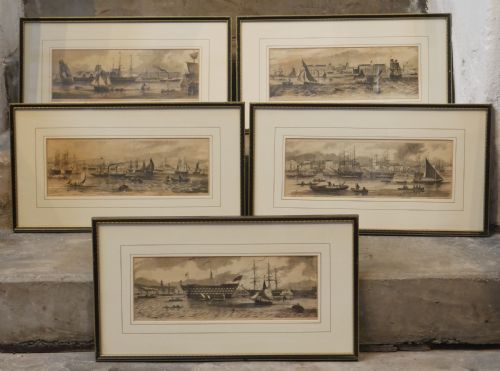
The selection on this page leans heavily towards early twentieth-century etchings and nineteenth-century engravings. These works utilise monochrome palettes to capture texture, tone, and fine detail without relying on colour.
Subjects range from animal studies and portraits to architectural plans and sporting scenes. Each piece demonstrates how artists and printers manipulated dark inks and toned paper to create mood.
Assessing Quality and Execution
Quality rests upon the crispness of the impression and the fidelity of the inked line. Strong impressions reveal deep blacks and clear plate marks, whereas worn plates yield grey, blurred details.
The skill of the original draughtsman or engraver dictates the artistic merit of the piece. Fine handling of shadow and texture separates master works from standard commercial prints.
The listings span periods from the mid-eighteenth century through the Edwardian era to the 1930s, utilising paper, ink, glass, and wood.
Herbert Dicksee·Sir William Nicholson·James Dobie·Edgar J Maybery·Amand Durand
The Black and Sepia Print Glossary
- Etching
- A printmaking method where acid bites lines into a metal plate to hold ink. This process allows for free, painterly lines that mimic sketch work.
- Mezzotint
- A tonal printmaking technique where the plate is roughened to produce dark backgrounds and subtle gradations of light. It avoids line work entirely in favour of smooth tonal shifts.
- Drypoint
- An intaglio printmaking process where an artist scratches directly into a metal plate with a sharp needle. This creates a distinctive velvety ridge of metal called burr that holds extra ink during printing.
- Reverse glass mezzotint
- An image applied directly to the rear glass panel rather than paper. This technique creates a luminous surface finish.
- Plate mark
- The indentation left on paper by the edge of a printing plate under pressure. It proves the work originates from an intaglio press.
Black and Sepia Print: Frequently Asked Questions
How should I frame a monochrome print?
Protect works on paper behind glass to shield the surface from dust and moisture. Use acid-free mounts to prevent the paper from yellowing over time.
Select simple wood frames like oak or mahogany that complement the dark tones of the ink without overwhelming the composition.
What is the difference between an etching and an engraving?
An etching relies on acid to bite the lines into a metal plate, producing free and expressive marks. An engraving uses a sharp tool called a burin to cut lines directly into the metal.
Under magnification, engraved lines show clean, sharp edges, while etched lines often display slightly softer, rounded shoulders where the acid worked.
Are photographic prints considered antique art?
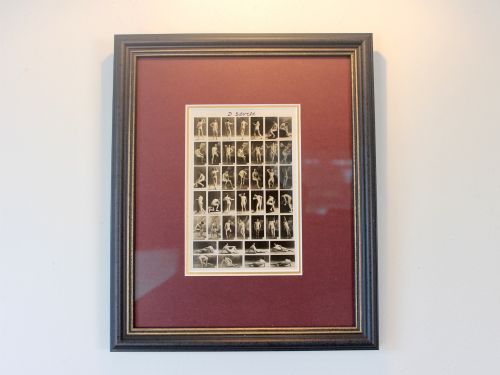
Early photographic processes such as contact sheets and salted paper prints hold significant historical and artistic value. They represent the dawn of permanent image capture alongside traditional printmaking.
Collectors treat these photographs with the same care as etchings, valuing them for their rarity and documentary detail.