



Black and Green Glass
Black and green glass comprises atmospheric vessels and paintings that bring rich tone and historic depth to a room.
Black and Green Glass
When you search for black and green glass, you encounter a varied selection of dark wine bottles, vibrant vases, and reverse glass prints originating from periods spanning the seventeenth century to the mid-twentieth century. The selection includes utilitarian objects alongside decorative items like perfume bottles, decanter sets, and display domes.
You are most likely to meet Art Deco pieces from the nineteen-thirties, particularly vibrant green uranium glass vessels decorated with enamel alongside older Georgian wine bottles and Chinese export paintings. These items reflect distinct aesthetic movements ranging from Flemish Baroque to Gothic Revival.
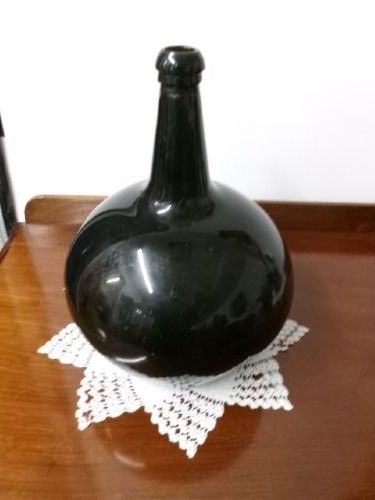
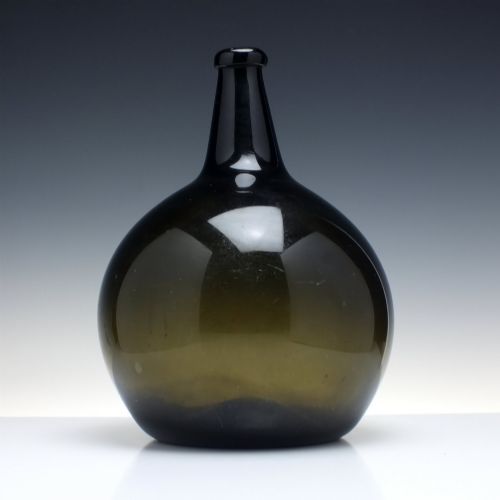
The objects take many forms, from large Scottish Alloa wine bottles and Czech decanter sets to botanical glass clock cases and portrait prints. Each piece utilises glass alongside complementary materials such as wood, brass, enamel, and oil paint.
How they were made
Makers shaped these items through hand-blowing and reverse painting techniques, fusing mineral oxides into the molten material to achieve deep green and opaque dark tones. Artisans utilised enamel surface decoration and painted directly onto panels of glass to create lasting decorative effects.
Enamelled details and painted designs on vessels and panels required careful firing and precise brushwork by skilled hands. The integration of glass with wood frames, brass fittings, and oil paint on canvas completed the construction of complex items like lanterns and picture panels.
Black and Green Glass Retail Price Guide 2026
Typical asking prices for black and green glass among the pieces listed under this phrase on Sellingantiques today, from the lower quarter to the upper quarter. They describe what is for sale here now, not the wider market.
Even a quiet Victorian botanical dome occasionally hides a forgotten beetle beneath its heavy glass.
What varies in quality
The distinction between standard examples and finer pieces lies in the crispness of the hand-painted enamel decoration and the clarity of the blown material. Skilled execution in reverse glass prints and well-defined moulding on bottles elevate certain items above mass-produced alternatives.
Preservation of original surfaces, undamaged enamel work, and intact associated fittings such as brass elements or wooden frames determine the overall standard of a piece. The depth of colour and subtlety of shading within the glass itself mark the more accomplished works.
Karl Palda·Gaspar Peeter Verbruggen
The Black and Green Glass Glossary
- Reverse glass print
- An image painted or transferred onto the rear surface of a glass panel so the viewer looks through the clear material to see the picture. This technique protects the pigment from dust and damage.
- Uranium glass
- A type of glass that incorporates trace amounts of uranium dioxide to impart a distinct fluorescent green colour under ultraviolet light. It gained particular popularity during the Art Deco period.
- Alloa glass
- Heavy dark wine bottles produced in Scottish glassworks during the late eighteenth century. These sturdy vessels were designed to store and transport wines securely.
- Display dome
- A protective glass cover placed over botanical specimens, clocks, or fragile ornaments. It keeps dust away while allowing an unobstructed view of the object inside.
- Flemish Baroque
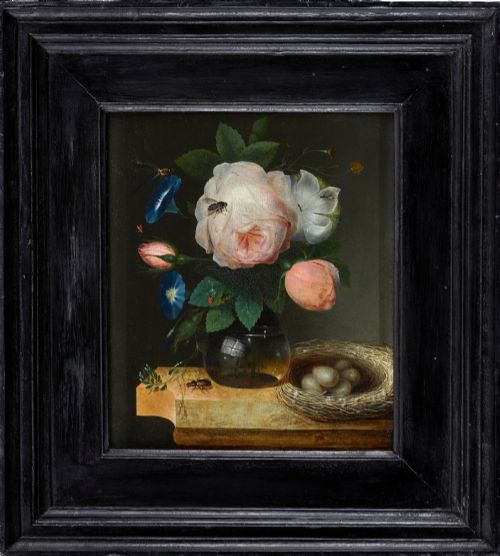
- An artistic style characterised by rich detail, theatrical composition, and vibrant colour palettes seen in seventeenth-century still life paintings. It emphasises texture and dramatic lighting.
Black and Green Glass: Frequently Asked Questions
What is black and green glass?
Black and green glass encompasses a diverse range of dark historic wine bottles, vibrant Art Deco vases, and delicate reverse painting panels produced across multiple centuries.
These items span functional barware and decorative art objects created using traditional blowing, moulding, and painting techniques.
How were reverse glass paintings made?
Artists painted images directly onto the back of a glass panel, applying fine details and foreground elements first before adding background colours.
When viewed from the front, the smooth glass surface gives the pigments an intense gloss and protects them from environmental wear.
How do I care for antique glass?
Antique glass requires gentle cleaning with a soft, dry cloth or mild soapy water, avoiding harsh chemical cleaners that might damage enamel or painted surfaces.
Keep pieces away from direct heat sources and stable display shelves to prevent accidental knocks or thermal shock.
What period are most green glass bottles from?
Green glass bottles and decanters on the market frequently date from the Georgian era through to the Art Deco period of the nineteen-thirties.
Earlier examples tend to be heavy utilitarian wine bottles, while later pieces focus on decorative tableware and vanity items.
How do I identify uranium glass?
Uranium glass typically exhibits a distinctive yellowish-green hue under normal lighting conditions and glows brightly under ultraviolet light.
This material was widely utilised by European glassmakers during the Art Deco period for decorative vases and dressing table sets.