



Black and Clear Glass
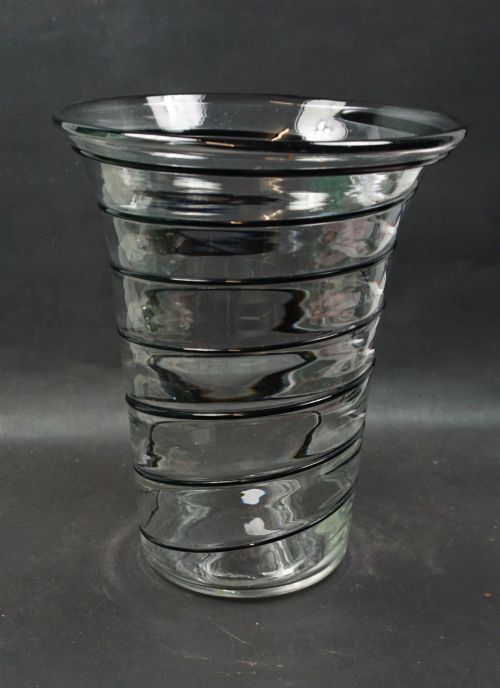
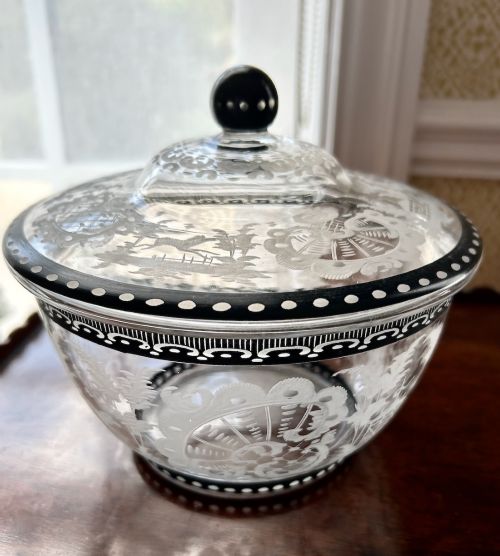
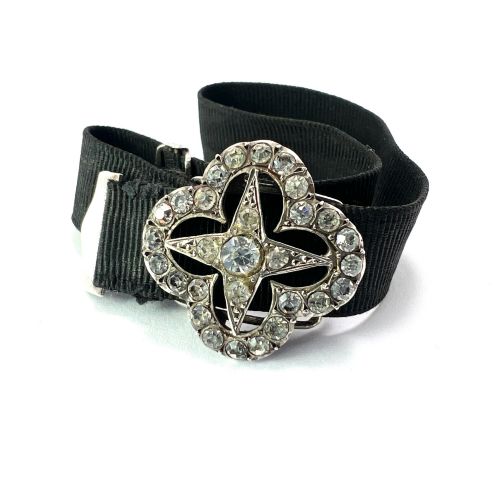
Black and clear glass items bring sharp contrast and geometric clarity to a room, spanning periods from Georgian paste jewellery to Art Deco perfume bottles.
Black and Clear Glass
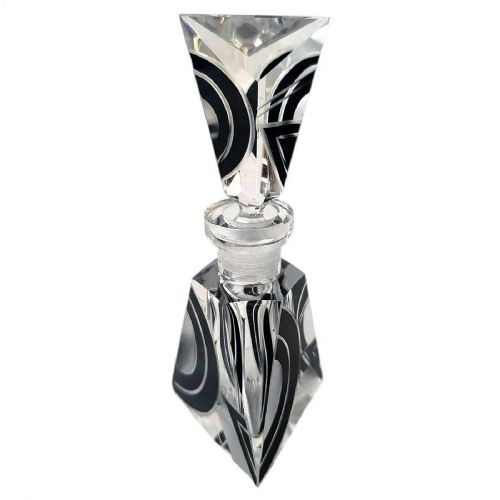
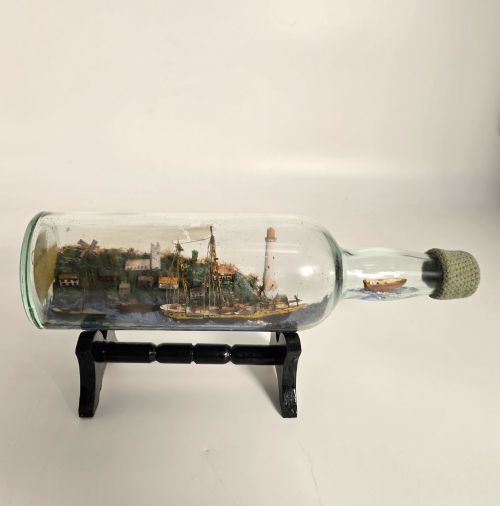
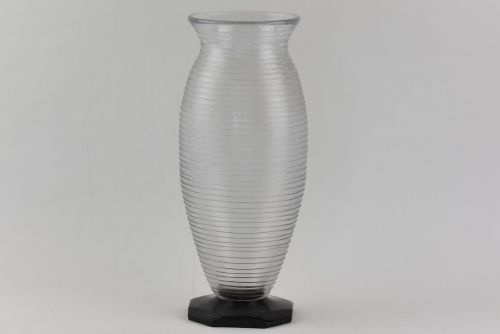
When searching for black and clear glass, a buyer encounters pieces primarily from the Art Deco period alongside Victorian and Edwardian examples. The selection ranges from perfume bottles and decanter sets to display domes and vases.
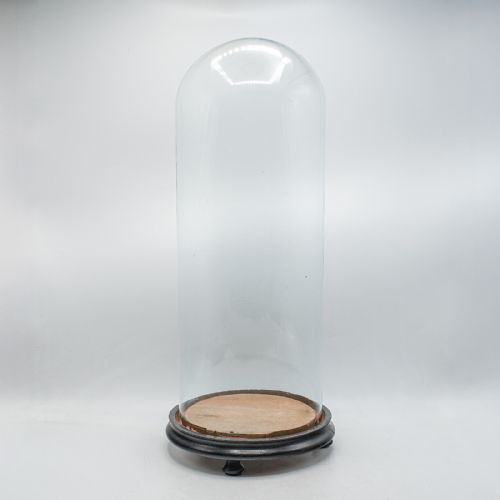
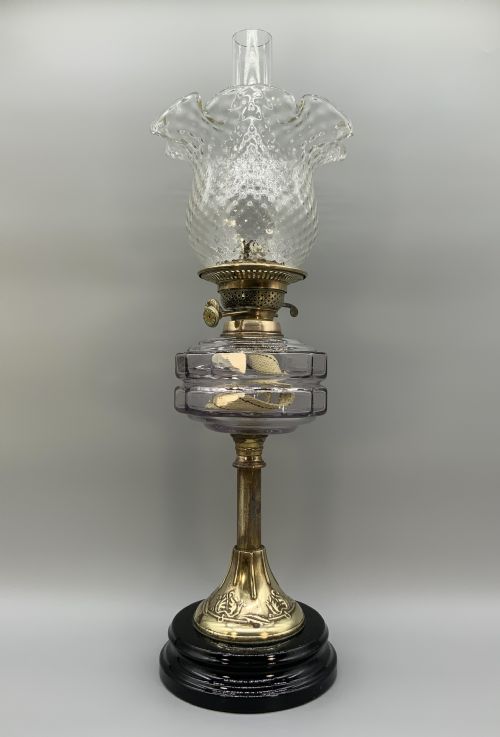
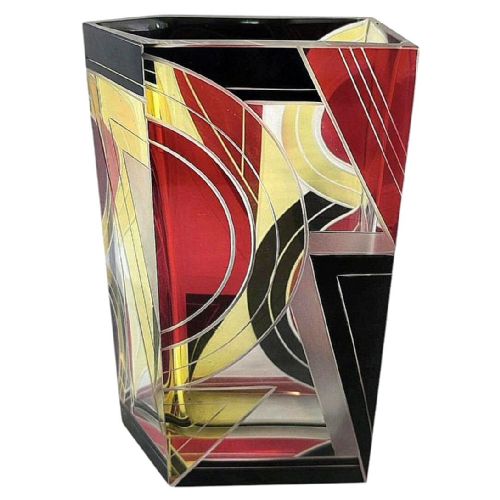
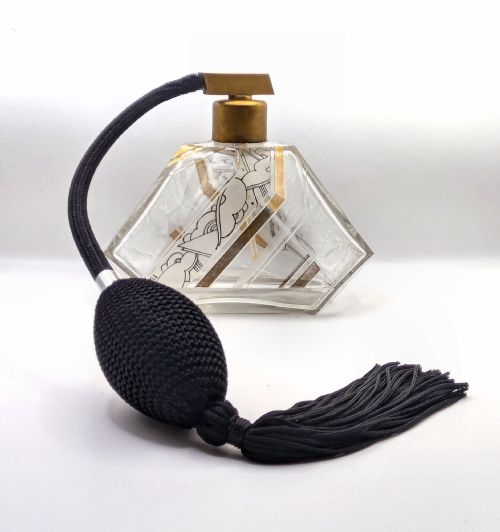
Art Deco items frequently showcase geometric cutting and enamel decoration, often originating from Czech makers such as Karl Palda. Victorian pieces tend towards practical vessels like oil lamps or decorative display cloches paired with wooden bases.
The combination relies on the stark visual separation between opaque black components and transparent crystal or glass. This duality defines objects designed for dressing tables, dining displays, and mantlepieces across the nineteenth and twentieth centuries.
Materials and construction
Makers utilised high-grade crystal and glass alongside contrasting elements like brass, enamel, and ebonised wood. Hand-blowing and deep acid-etching created textured surfaces that catch the light against darker structural components.
Techniques varied from the intricate wheel-cutting seen on Czech decanters to the heavy lead crystal used in nineteenth-century epergnes. Enamel decoration was applied directly to the glass surface, often in stark geometric patterns characteristic of the 1930s.
Black and Clear Glass Retail Price Guide 2026
Typical asking prices for black and clear glass among the pieces listed under this phrase on Sellingantiques today, from the lower quarter to the upper quarter. They describe what is for sale here now, not the wider market.
Assessing craftsmanship
Quality rests in the crispness of the glass cutting and the precision of the enamel work. Deeply etched surfaces and sharp geometric facets demonstrate a higher standard of execution than shallow or blurred surface markings.
The integrity of secondary materials, such as solid brass mounts or undamaged wooden bases, dictates the overall standard of a piece. Preservation of original atomiser hardware and matching glass sets further separates superior examples from incomplete items.
Karl Palda·Jean Luce·Rene Lalique·Val Saint Lambert·Daum
The Black and Clear Glass Glossary
- Cut glass
- Glass decorated by grinding facets into the surface using a rotating wheel. This technique creates sharp edges and reflective properties that enhance clarity.
- Atomiser
- A perfume bottle fitted with a bulb and spray mechanism for diffusing liquid. These often incorporate metal collars and geometric glass bodies.
- Display dome
- A blown glass cover, also known as a cloche, used to protect taxidermy, clocks, or specimens. They sit upon wooden or ebonised bases.
- Enamel
- Opaque vitreous material fused to the surface of glass or metal through firing. It provides solid blocks of colour, particularly black, alongside transparent sections.
- Crystal
- Glass containing lead oxide, which increases weight, refractive index, and clarity. It allows for deeper and sharper facet cutting.
Black and Clear Glass: Frequently Asked Questions
What periods do black and clear glass items come from?
The pieces span from the Georgian era through Victorian and Edwardian times, with a strong representation from the 1920s and 1930s Art Deco movement. Earlier items tend to be functional domestic objects or jewellery components.
Later twentieth-century examples lean heavily into modernist design, featuring stark geometric lines and contrasting black enamel work.
How should I clean antique glass and enamel items?
Dust gently with a soft, dry cloth to protect delicate surfaces and enamel decorations. Avoid submerging metal-mounted perfume bottles or items with delicate spray hardware in water.
For glass components without metal fittings, use lukewarm water and mild soap, drying immediately with a lint-free cloth to maintain clarity.
Are Art Deco perfume bottles functional?
Many retain their original atomiser bulbs, tubes, and metal collars, though rubber components often degrade over decades. Buyers should inspect the mechanical parts if operation is desired.
Even without functioning spray mechanisms, these bottles serve as decorative vanity display items due to their striking visual contrast.
What is the difference between glass and crystal?
Crystal contains added lead oxide, which gives the material greater weight and a higher refractive index than standard glass. This composition allows artisans to cut deeper, sharper facets.
In black and clear pieces, crystal sections provide superior transparency and brilliance compared to basic soda-lime glass.