






Black and Brass Fire Guard
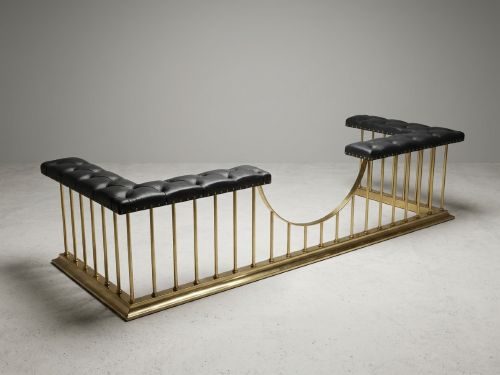
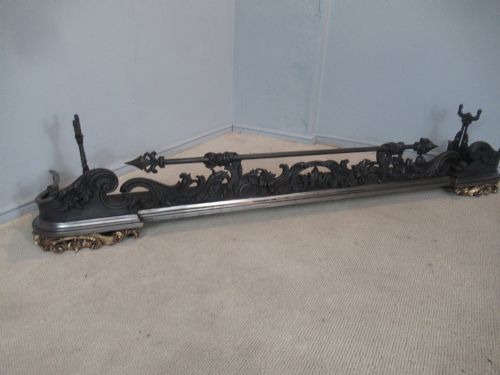
These black and brass fire guard pieces combine dark iron frames with bright metal rails to protect rooms from stray embers.
Black and Brass Fire Guard
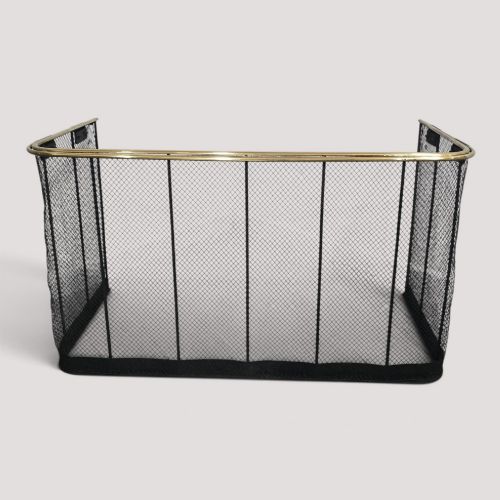
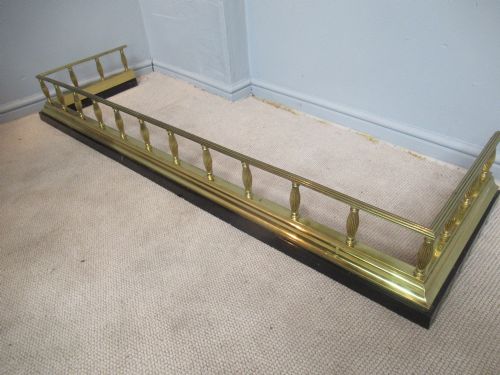
A black and brass fire guard provides physical protection for domestic hearths by combining dark iron or wire mesh with polished brass rails and trim. These items range from simple folding spark guards to large nursery fenders designed to keep children at a safe distance from open flames.
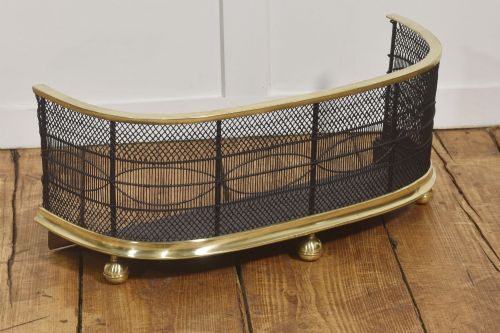
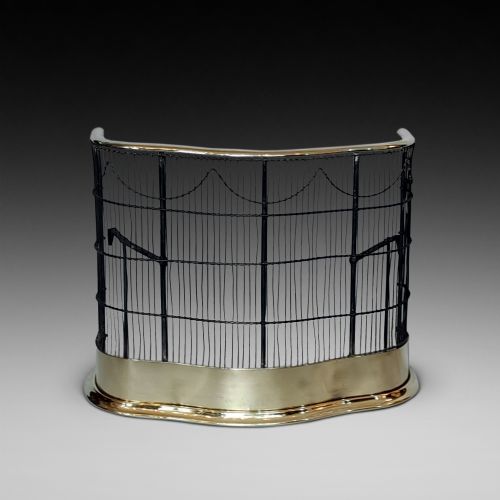
The versions most commonly met on this page date from the nineteenth century, including specific Victorian and Regency examples. They appear in forms such as wirework screens, serpentine guards, and fenders equipped with clothes rails or top rails.
How they were made
Maker construction relies heavily on combinations of iron, steel, and woven wire mesh paired with cast or sheet brass components. Frames are formed from dark iron or blackened steel to provide structural rigidity around the hearth.
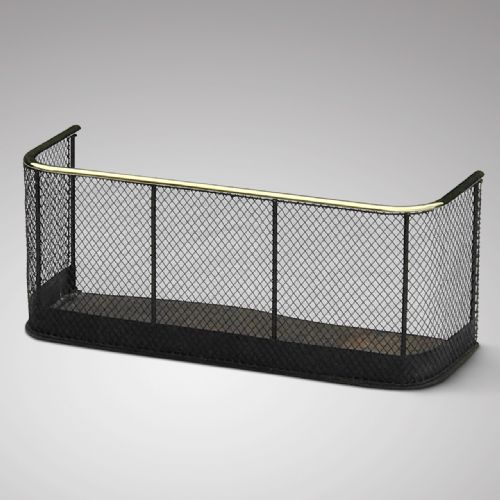
Fine wirework and mesh panels are fitted within the metal frames to catch sparks while maintaining visibility of the fire. Polished brass top rails, rims, and decorative mounts are then attached to complete the dual-tone aesthetic.
Black and Brass Fire Guard Retail Price Guide 2026
Typical asking prices for black and brass fire guard among the pieces listed under this phrase on Sellingantiques today, from the lower quarter to the upper quarter. They describe what is for sale here now, not the wider market.
Listings feature items from the nineteenth century, including Victorian, Regency, and Edwardian periods, utilising brass, iron, wire mesh, and steel.
What varies in quality
Quality differences rest in the gauge of the wire mesh and the heaviness of the iron and brass framework. Finer wirework and thicker cast brass elements demonstrate superior original craftsmanship compared to lighter, purely utilitarian constructions.
The sophistication of the design also distinguishes finer pieces, such as serpentine shapes or integrated clothes rails, from standard rectangular frames. Original patination on the brass and the condition of the woven iron wire further separate standard examples from exceptional ones.
The Black and Brass Fire Guard Glossary
- Nursery fender
- A tall protective guard placed around a fireplace to keep young children away from the heat and flames. These often include a brass top rail or clothes drying attachment.
- Wire mesh
- A woven metal fabric used in fire guards to permit visibility of the fire while containing sparks. Fine versions offer a lighter appearance.
- Serpentine
- A curved, undulating shape often seen in the front profile of Victorian fire guards and fenders. This contour adds elegance to the iron and brass structure.
- Spark guard
- A functional screen designed specifically to catch flying embers from an open hearth. They utilise fine mesh and folding frames for practical use.
Black and Brass Fire Guard: Frequently Asked Questions
What is a black and brass fire guard?
A black and brass fire guard is a protective hearth accessory featuring a dark iron or steel frame combined with polished brass details. These pieces use wire mesh or iron wire to stop stray sparks from escaping open fires.
They appear in various period styles, most notably from the nineteenth century, ranging from compact folding screens to large nursery fenders.
How do I use a fire guard safely?
Place the guard firmly on the hearth directly in front of the open fireplace to create a barrier against sparks and heat. Ensure the base sits stable on the floor and covers the entire opening of the grate.
Keep combustible materials away from the metal mesh and supervise children even when the protective screen is in position.
What is a nursery fender?
A nursery fender is an enclosed protective barrier designed in the nineteenth century to surround a hearth completely. They were built taller than standard guards and often included a brass top rail or an integrated clothes rail.
These pieces prioritized child safety while maintaining the decorative contrast of black iron and bright brass common to the period.