



Bistro Glass Mirror
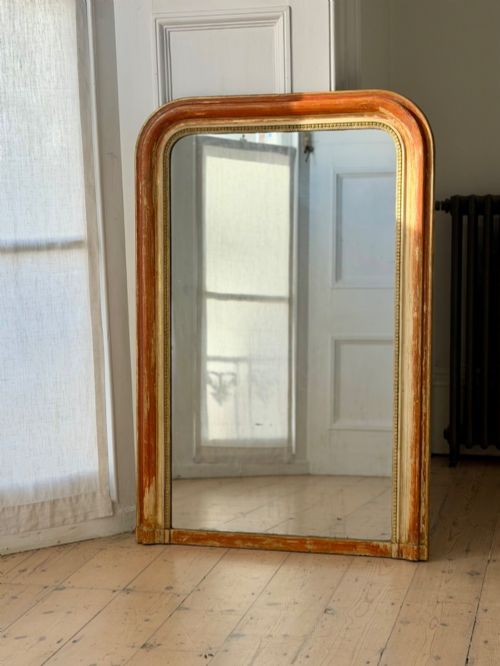
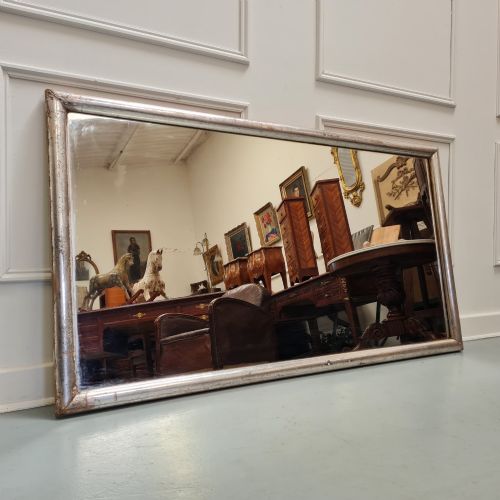
A bistro glass mirror brings nineteenth-century French café character directly into a modern room with distressed plate and aged frames.
Bistro Glass Mirror
A bistro glass mirror is typically sourced from France, taking forms such as wall mirrors, pier mirrors, and advertising boards dated from the nineteenth and early twentieth centuries. These pieces reflect specific nineteenth-century settings including provincial rooms, chateaux, and urban brasseries.
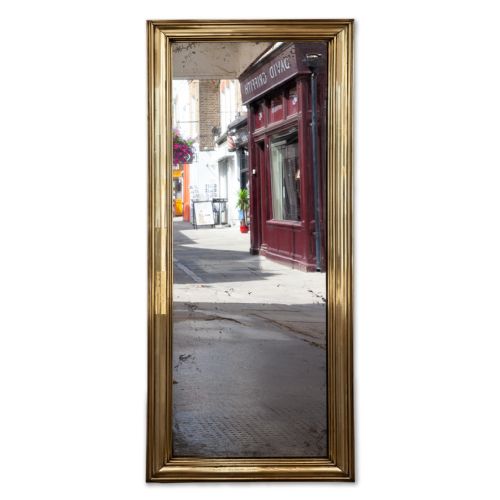
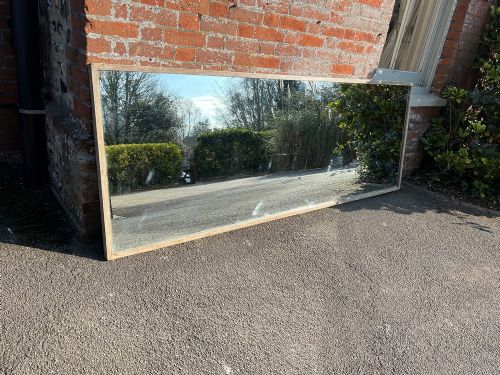
The version most commonly met on this page is the French bistro mirror encased in brass, wood, or gilt-finished frames. Their dimensions range from tall formats to substantial wall-hanging proportions suited to domestic interiors.
How they were made
Frames combine timber, carved wood, and gesso, finished with paint, silver gilt, or traditional gilding techniques. Brass framing also appears, frequently mounted over sturdy timber backings.
Glass elements utilise mercury glass and original mirror plates that develop distinctive oxidation and spotting over decades of exposure. Frames constructed from oak support heavy brass surrounds and thick timber structures.
Bistro Glass Mirror Retail Price Guide 2026
Typical asking prices for bistro glass mirror among the pieces listed under this phrase on Sellingantiques today, from the lower quarter to the upper quarter. They describe what is for sale here now, not the wider market.
Listings feature items dated across the nineteenth and early twentieth centuries, spanning from eighteen hundred up to nineteen twenty.
What varies in quality
Quality rests in the harmony between the original frame and its matching mirror plate, where authentic age shows through natural patination rather than synthetic distressing. Hand-carved gesso details and substantial timber construction distinguish finer examples from simpler provincial items.
The depth and clarity of the silvering on mercury glass plates alter the visual weight of the reflection. Well-preserved brass surrounds and intact original backing boards maintain the structural integrity of the piece.
The Bistro Glass Mirror Glossary
- Mercury glass
- A type of double-walled blown glass created by pouring a silvering mixture between the glass layers, producing a mottled reflective surface. This technique creates the characteristic dark spots seen in older mirrors.
- Gesso
- A plaster-like mixture applied to wood frames to provide a smooth base for painting or gilding. Skilled makers model intricate ornamental details directly into this material.
- Pier mirror
- A tall, narrow mirror designed specifically to hang on the wall space between windows. These pieces often feature elongated proportions to maximise light in nineteenth-century rooms.
- Silver gilt
- A metalworking finish where a thin layer of silver is applied over another base metal or wood frame. This creates a softer, more muted sheen than pure gold leaf.
Bistro Glass Mirror: Frequently Asked Questions
Where should I hang a bistro mirror?
These mirrors suit hallways, living rooms, and dining spaces where their reflective surfaces amplify natural light and create a sense of depth.
Because many examples are substantial in scale, they work effectively as focal points above mantelpieces or console tables.
Are the mirror plates original?
Many listings feature original mercury glass or distressed mirror plates that display natural foxing and oxidation accumulated over the decades.
This ageing process gives each piece a distinct character that modern reproductions cannot replicate.
How do I clean an antique mirror plate?
Clean the glass gently using a soft, dry microfibre cloth to avoid disturbing the delicate silvering behind the plate.
Avoid commercial chemical sprays, as moisture can seep behind the edges and accelerate oxidation on vulnerable mercury glass.
What styles do these mirrors come in?
The selection encompasses French provincial, Louis Philippe, and brasserie aesthetics reflecting nineteenth-century design traditions.
Frames vary from carved and painted wood to polished brass and gilt finishes.