




Birmingham Silver Tableware
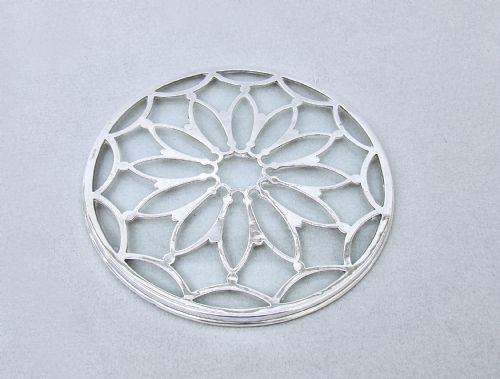
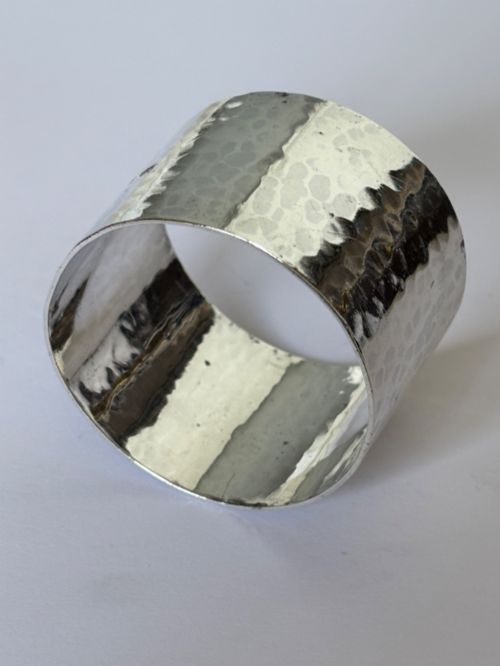
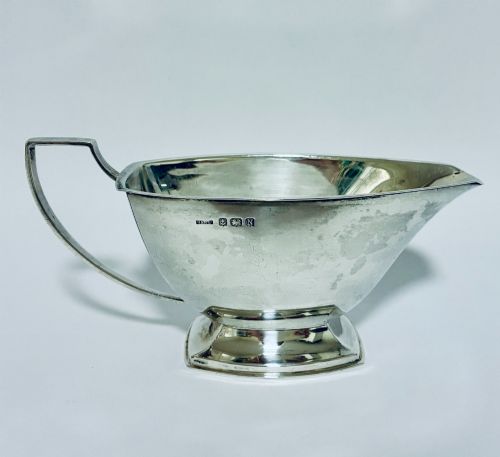
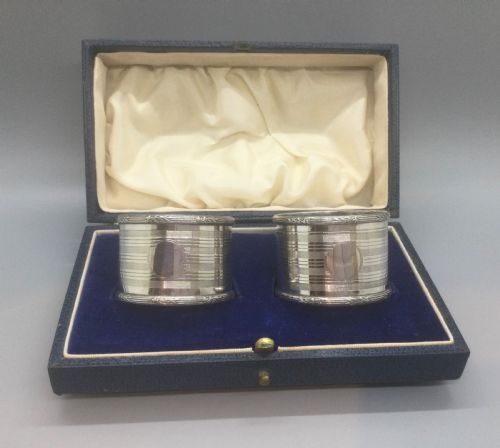
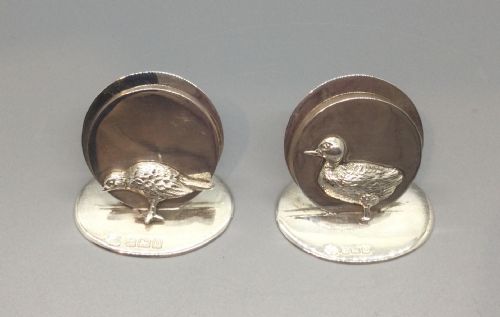
Birmingham silver tableware brings functional elegance to the dining table, encompassing everything from napkin rings and menu holders to mustard pots and condiment sets.
Birmingham Silver Tableware
The selections span from the ornate styling of the Georgian and Edwardian periods through to the clean geometric lines of Art Deco and Mid-Century Modern designs.
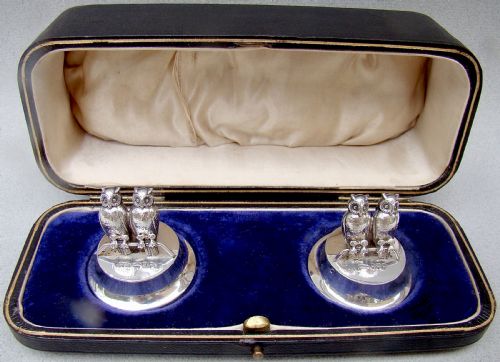
Buyers encounter items ranging from utilitarian sugar bowls and butter dishes to whimsical figural pieces like owl menu holders and apple-shaped preserve jars.
How Birmingham silver tableware was made
The primary material is sterling silver, often combined with glass, silver gilt, and fitted velvet or silk linings in cased presentation sets.
Silversmiths utilised hammering techniques to create textured surfaces, alongside casting and mounting methods for complex figural objects like game birds and pagodas.
Listings span the Georgian, Edwardian, Art Deco, and Mid-Century Modern eras, featuring sterling silver, glass, and velvet.
What varies in quality
Quality rests upon the distinction of the maker, the crispness of the chased or hammered detail, and whether original elements such as glass inserts and matching spoons remain intact.
The weight of the silver, the precision of the hinges on mustard pots, and the retention of fitted presentation cases set exceptional workshop pieces apart from standard production.
HARRODS LTD·ALBERT EDWARD JONES·LEVI AND SALAMAN·HUKIN AND HEATH·MATTHEW BOULTON·THE BARKER BROTHERS·JOHN BARRETT·MAPPIN AND WEBB·ADIE BROTHERS·HEATH AND MIDDLETON·ELKINGTON AND COMPANY
The Birmingham Silver Tableware Glossary
- Sterling silver
- An alloy consisting of 92.5 percent silver and 7.5 percent other metals, typically copper, used to ensure durability in tableware.
- Silver gilt
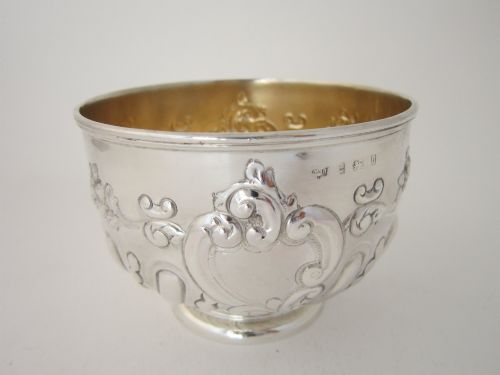
- Sterling silver that has been coated with a thin layer of gold on the interior or exterior surfaces for decorative contrast.
- Condiment pot
- A small vessel designed to hold table seasonings such as mustard, salt, or relish, frequently accompanied by a small spoon.
- Menu holder
- A miniature tabletop stand designed to display cards detailing the courses of a meal.
- Preserve pot
- A lidded jar intended for serving jams or jellies, often featuring a glass body mounted in silver or modelled into figurative shapes.
Birmingham Silver Tableware: Frequently Asked Questions
How do I clean antique silver tableware?
Clean silver gently using a specialised silver cloth and warm soapy water, avoiding harsh abrasive dips that can strip away historic patination.
Ensure items are dried thoroughly with a soft cloth before storage to prevent moisture damage.
Are cased sets safe to use?
Cased sets of napkin rings or butter dishes are designed for formal dining use, though their delicate velvet or silk linings require careful handling.
Hand washing is essential to preserve the integrity of the silver and any associated glass components.
How do I identify the date of a piece?
Birmingham silver bears distinct hallmarks stamped directly onto the metal, including an anchor symbol indicating the assay office alongside specific date letters.
Comparing these marks against standard assay records reveals the exact year of manufacture.
Can I use mustard pots daily?
Historic mustard pots with glass liners are fully functional for everyday dining, provided the interior glass is washed promptly after use.
Acidic condiments should not be left in contact with the silver surface for extended periods.