






Birmingham Silver Pin
A birmingham silver pin piece brings miniature sculptural form and sterling silver work together into a desk or dressing table essential.
Birmingham Silver Pin
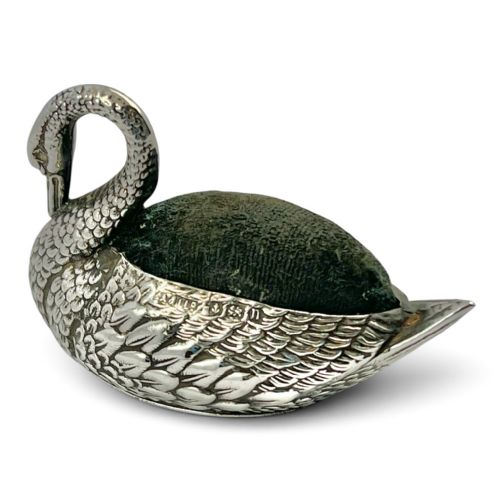
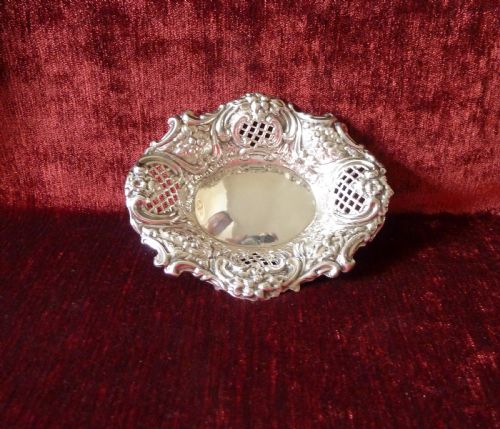
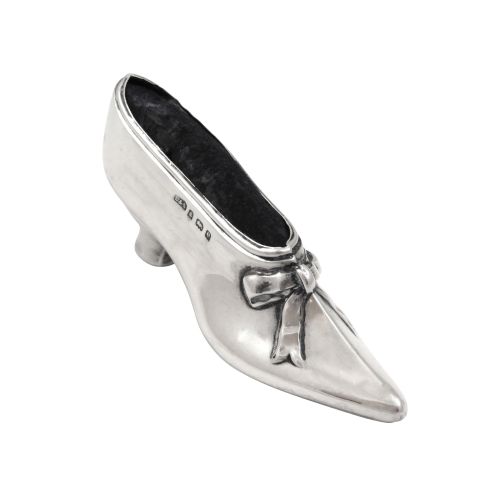
A birmingham silver pin piece encompasses small decorative items and novelty pin cushions produced in the Midlands assay office during the Victorian, Edwardian, and George V periods. Collectors encounter figural forms such as bulldogs, pigs, swans, teapots, and shoes alongside functional dishes and hatpin holders.
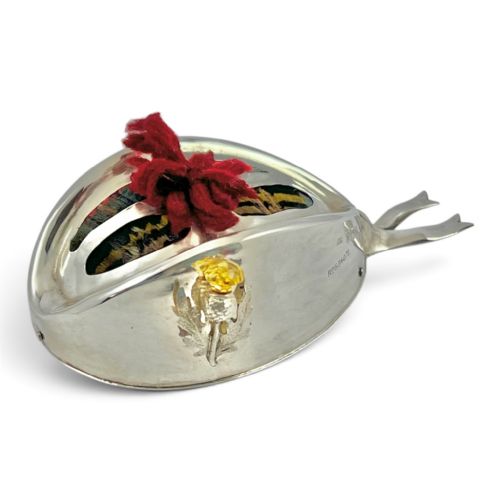
The objects combine sterling silver mounts with internal pads of velvet, fabric, wool, or glass to secure pins and needles. Makers utilised novelty designs during the Edwardian era, creating miniature animals and everyday objects that served both decorative and practical domestic roles.
How they were made
Silversmiths formed these pieces using sterling silver sheet and cast components, stamping and soldering the metal to create hollow figural models or shallow dishes. The outer silver casing was then hallmarked in Birmingham, recording the assay office mark, lion passant, and date letter.
Makers fitted velvet, fabric, wool, or glass interiors inside the silver frames to hold hatpins, bonbons, or sewing pins. These textile and glass elements were secured within the metal housing, completing the combination of precious metal and soft lining.
Birmingham Silver Pin Retail Price Guide 2026
Typical asking prices for birmingham silver pin among the pieces listed under this phrase on Sellingantiques today, from the lower quarter to the upper quarter. They describe what is for sale here now, not the wider market.
A tiny silver pig sits quietly waiting to hold your sewing pins.
What varies in quality
The standard of modeling separates mass production from finer work, particularly in figural pin cushions shaped as animals or shoes. Crisp definition in the silver casting and recognizable anatomical details distinguish superior examples.
The retention of original interior materials, such as period velvet or fabric, influences the integrity of the piece. Clear hallmarks struck by identifiable makers add distinction to the silver work.
William Aitken·Adie & Lovekin·Crisford & Norris
The Birmingham Silver Pin Glossary
- Hallmark
- Official stamps struck into precious metals to guarantee fineness, assay office, and year of production. Birmingham pieces display the anchor symbol.
- Sterling silver
- An alloy consisting of pure silver and other metals, standardly marked to indicate quality. It forms the primary structural material for these cushions and dishes.
- Novelty pin cushion
- A small container or figural model designed in an imaginative shape like a bird, shoe, or piece of furniture. These items populated dressing tables during the Edwardian period.
- Hatpin holder
- A vertical stand or vessel intended to store long hatpins upright on a dressing table. They often feature weighted bases and decorative silver collars.
Birmingham Silver Pin: Frequently Asked Questions
What were birmingham silver pin cushions used for?
These items held sewing pins and needles on dressing tables or writing desks during the late nineteenth and early twentieth centuries. The padded interiors kept sharp points safely enclosed.
They also served as decorative novelties, displaying whimsical shapes that reflected the tastes of Victorian and Edwardian households.
How do I date a birmingham silver pin piece?
Dating relies on the assay office hallmarks stamped into the sterling silver surface. Each piece bears a specific letter code corresponding to the year it was tested in Birmingham.
Stylistic elements like Edwardian Rococo Revival details or simple George V forms provide additional chronological context alongside the stamped marks.
What materials are inside the silver frames?
The internal stuffing typically consists of velvet, fabric, wool, or glass pad inserts designed to grip pins securely. These textiles filled the hollow silver shells.
Over time, these soft materials absorbed the friction of repeated pin placement while maintaining the structural shape of the cushion.
How do I clean antique silver pin items?
Careful dusting with a soft cloth preserves the sterling silver surface without damaging the delicate hallmarked details or the internal fabric. Harsh chemical dips should be avoided near the fabric inserts.
Keeping the pieces away from moisture protects both the silver finish and the original velvet or wool interior linings.