






Birmingham Silver Jar
A birmingham silver jar brings together solid sterling mounts and colourful glass, enamel, or tortoiseshell, offering a functional piece of the dressing table or dining room from the late Victorian era to the mid-twentieth century.
Birmingham Silver Jar
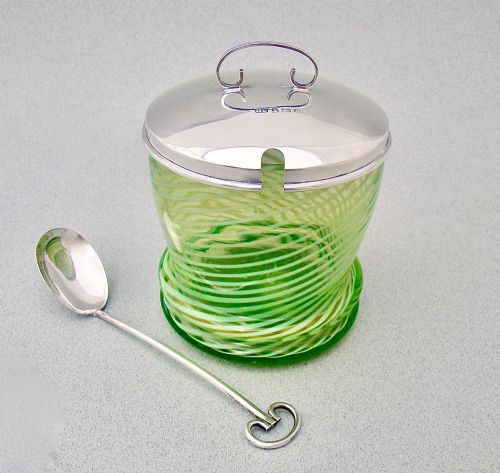
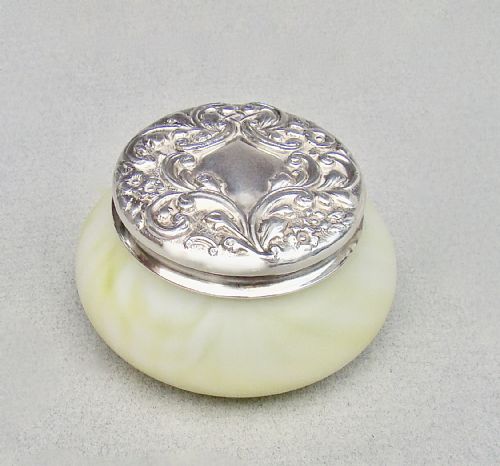
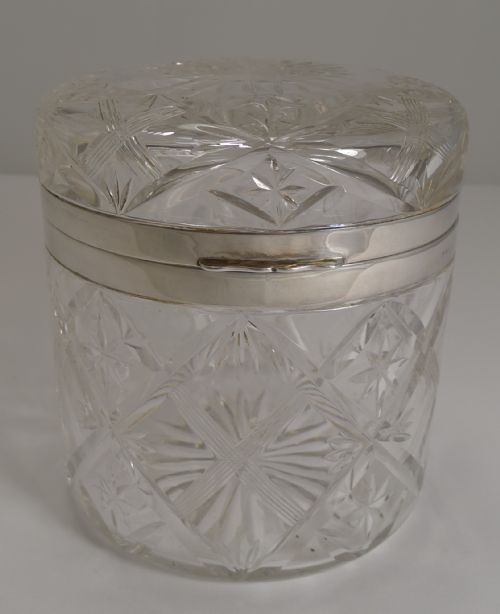
When searching for a birmingham silver jar, you encounter a wide variety of vessels designed for personal grooming, vanity use, and the dining table. These pieces range from small scent bottles and rouge pots to larger trinket boxes, vanity jars, and preserve pots.
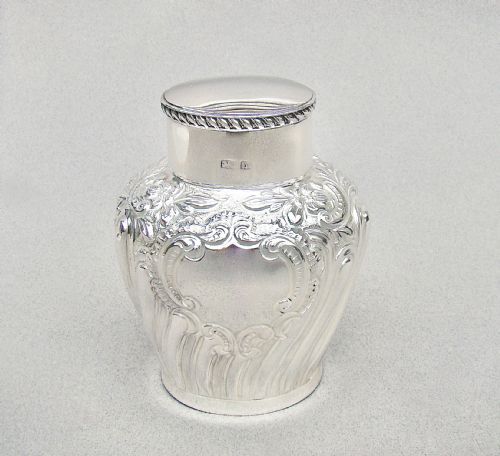
The selections span several distinct periods of British manufacturing, most commonly originating from the Edwardian era, the nineteen-twenties, and the nineteen-thirties. Victorian examples also appear, showing repousse work or cut glass alongside hallmarks struck in the midlands assay office.
How They Were Made
The construction relies on marrying sterling silver lids and mounts with blown, moulded, or cut glass bodies. Makers utilised techniques such as guilloche enamelling, where geometric patterns are engine-turned beneath translucent coloured enamel, and tortoiseshell piquet work.
Glass bodies include cranberry, amethyst, satin glass, and heavy cut crystal or Bohemian glass. Silver components bear standard assay marks indicating the Birmingham anchor alongside date letters and maker's sponsor marks.
Birmingham Silver Jar Retail Price Guide 2026
Typical asking prices for birmingham silver jar among the pieces listed under this phrase on Sellingantiques today, from the lower quarter to the upper quarter. They describe what is for sale here now, not the wider market.
Materials paired with Birmingham silver include cranberry glass, satin glass, guilloche enamel, and tortoiseshell.
What Varies in Quality
Quality rests upon the weight and gauge of the sterling silver mounts and the intricacy of the decorative elements. Finer examples feature heavier gauge silver lids, deeply chased repousse work, or flawless translucent enamel over engine-turned metal.
The glass or crystal body also determines distinction, with heavier, deeply cut facets and specialty coloured glass representing higher manufacture standards than simple moulded containers.
A. J. Pepper & Co·Henry Clifford Davis·A. Bromet & Co·Thomas Hayes·Hukin and Heath·Hasset & Harper·Ernest Druiff & Co·Barnsley & Co·Adie Brothers Ltd·George Unite·Henry Matthews·Samuel Levi·Synyer & Beddoes·James Deakin & Sons·Charles Green & Co·William Neale & Son Ltd·W. Neale·William Hutton & Sons·W.C. Griffiths·Coles & Fryer·William Aitken·Levi & Salaman·A&J Zimmerman·Deakin & Francis·W.G. Sothers
The Birmingham Silver Jar Glossary
- Guilloche enamel
- A decorative technique involving an intricate mechanical pattern engraved beneath translucent coloured enamel. It appears frequently on nineteen-twenties dressing table items.
- Repousse
- A metalworking method where the silver is hammered or pushed from the reverse side to form a raised design. This technique is typical on Victorian pieces.
- Hallmark
- A series of official marks stamped on precious metals indicating the standard of purity, the assay office, and the date of manufacture. Birmingham pieces display an anchor symbol.
- Trinket box
- A small lidded container utilised for storing jewellery, pins, or small personal accessories on a dressing table.
Birmingham Silver Jar: Frequently Asked Questions
What were birmingham silver jars used for?
These vessels served various domestic purposes, ranging from holding cosmetics, powder, and perfume on a dressing table to serving jam or preserves at the dining table.
Smaller versions functioned as scent bottles or pill boxes, while lidded glass jars held trinkets and vanity items.
How can I date my silver jar?
Dating relies on the assay office hallmarks stamped into the sterling silver mounts. Each year corresponds to a specific letter stamp designated by the Birmingham assay office.
Stylistic cues such as Art Deco geometric enamel or Victorian repousse work also help narrow down the period of production.
Are the glass bodies always original?
Most pieces maintain their original matched glass bodies, particularly when custom-moulded to fit complex silver collars and hinged mounts. Specialist makers often sourced high-end glass from continental makers like Baccarat or Loetz to pair with their silverwork.
How do I care for antique silver and glass?
Maintenance requires gentle cleaning of the silver mounts using a soft cloth and appropriate polish, avoiding contact between polish and the glass or enamel surfaces.
Enamelled and tortoiseshell sections need particularly careful handling, avoiding prolonged exposure to moisture and direct sunlight.