




Biedermeier Cupboard
These pieces of biedermeier cupboard furniture bring clean architectural lines and rich figured timbers to any interior.
Biedermeier Cupboard
A biedermeier cupboard encompasses various practical storage forms such as sideboards, buffets, corner cabinets, and large armoires originating from Northern Europe. The pieces on this page span the nineteenth century, alongside a small number from the eighteenth century, Georgian period, and nineteen-thirties.
Scandinavian examples, particularly from Sweden and Denmark, dominate the selection in pale timbers like birch and satin birch. Alongside these are richer mahogany, flame mahogany veneer, and figured walnut pieces.
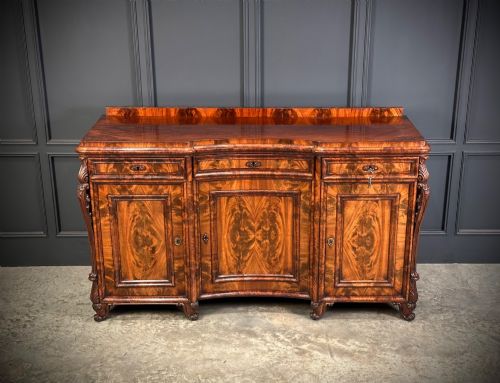
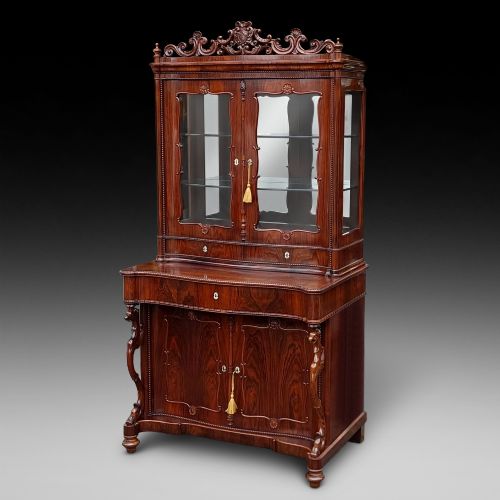
Buyers will encounter specialised forms ranging from tall display cabinets and bedside pedestal cabinets to serpentine shaped cupboards and console units with mirrors. These items serve as functional storage while showcasing prominent grain patterns.
Materials and construction
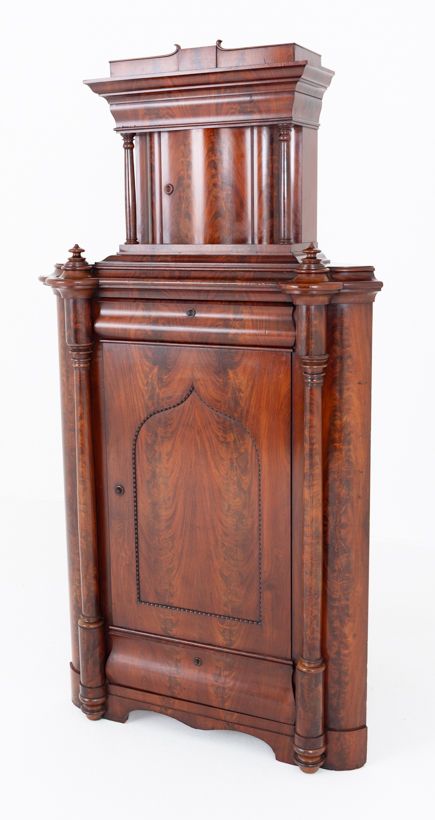
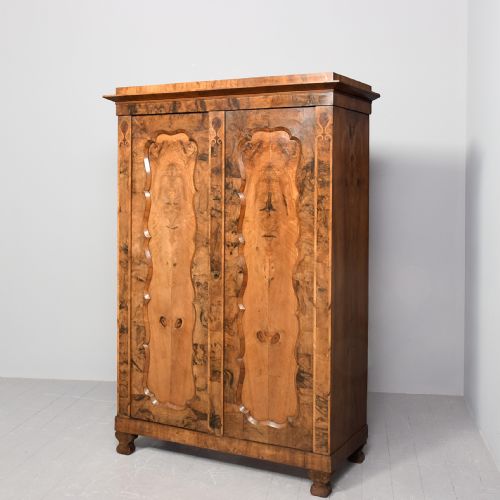
Cabinet makers utilised solid pine as a structural carcass timber, applying decorative wood veneers over the exterior surfaces. Flame mahogany, birch, satin birch, and figured walnut veneers create striking visual patterns across the doors and drawer fronts.
Glazed doors, brass hardware, and occasionally marble tops are integrated into the cabinet designs. The construction relies on traditional joinery techniques to support the substantial weight of dense timber and glass elements.
Biedermeier Cupboard Retail Price Guide 2026
Typical asking prices for biedermeier cupboard among the pieces listed under this phrase on Sellingantiques today, from the lower quarter to the upper quarter. They describe what is for sale here now, not the wider market.
Listings feature eighteenth to twentieth-century pieces, spanning mid-nineteenth-century work and nineteen-thirties revival items.
Factors that define quality
The selection and bookmatching of wood veneers dictate the visual impact of the cabinet, with symmetrical grain patterns marking superior examples. Finely figured flame mahogany or birds eye maple require precise craftsmanship to lay smoothly across large door panels.
Proportion and restraint in ornament separate the best items from simpler provincial work. Clean structural lines, well-fitted doors, and original brass fittings indicate higher standards of workshop production.
The Biedermeier Cupboard Glossary
- Veneer
- A thin slice of figured wood applied over a secondary timber carcass to provide a decorative surface. This technique allows cabinet makers to display expensive grain patterns economically.
- Pedestal cabinet
- A freestanding cabinet, often oval or cylindrical in shape, designed to stand independently. These compact units appear frequently as bedside or occasional furniture.
- Buffet sideboard
- A low storage piece intended for dining rooms or halls, featuring surface top space combined with lower cupboards. They provide substantial internal capacity while maintaining a low profile.
- Corner cabinet
- A storage unit constructed with an angled back to fit neatly into the corner of a room. Both glazed and solid door variants appear across Scandinavian and continental workshops.
- Bookmatching
- A veneer technique where adjacent slices of wood are opened like a book to mirror each other's grain pattern. This creates symmetrical geometric designs across cabinet doors.
Biedermeier Cupboard: Frequently Asked Questions
What rooms suit a biedermeier cupboard?
These cabinets work well in living rooms, hallways, and bedrooms where their clean architectural lines provide functional storage.
Pale birch and satin birch pieces brighten smaller spaces, while darker mahogany and walnut versions anchor larger rooms.
How do I identify a Swedish biedermeier piece?
Swedish pieces often utilise native timbers such as birch, accented with minimal neoclassical restraint and light finishes.
They favour unpretentious geometric forms that highlight the natural grain of the wood rather than heavy carving.
Are these cupboards suitable for daily use?
The sturdy pine carcasses and durable wood veneers make these cabinets practical for storing everyday household items.
Internal shelving and generous proportions ensure they function as effectively today as they did in the nineteenth century.
What is the difference between an armoire and a buffet?
Armoires are tall vertical wardrobes or hall cupboards designed primarily for hanging or shelved garment storage.
Buffets are long, low sideboard units built for surface serving and enclosed lower storage.