





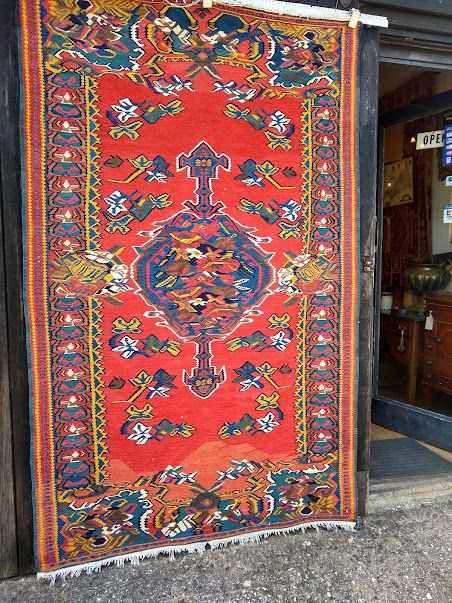
Bidjar Rug Runner
These heavy, durable bidjar rug runner pieces bring rich Persian Kurdistan weaving traditions into your hallway with enduring strength.
Bidjar Rug Runner
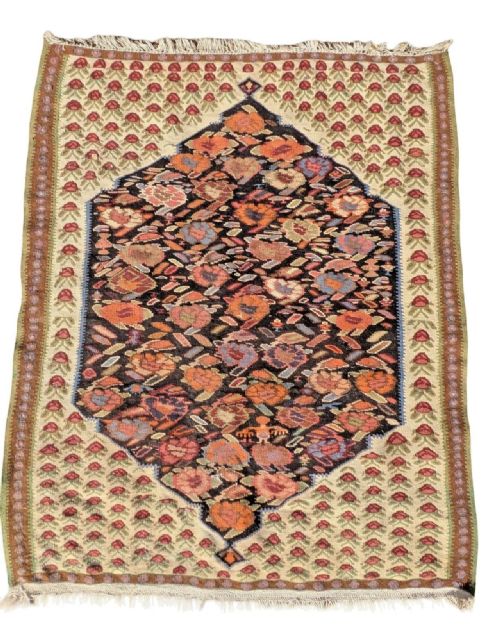
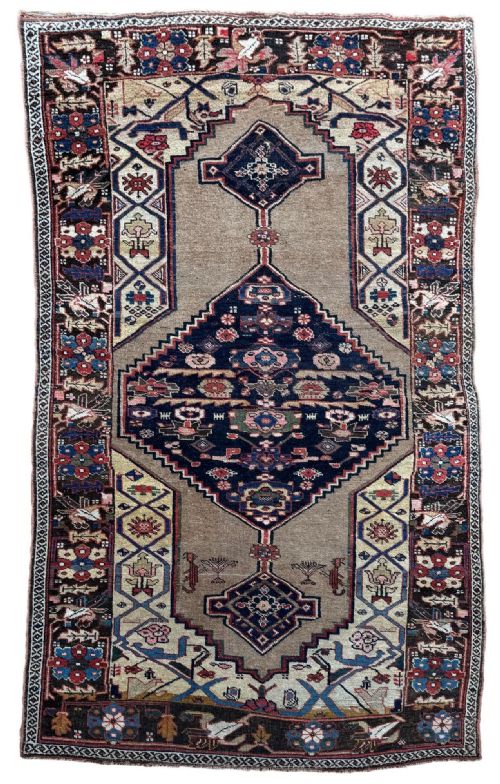
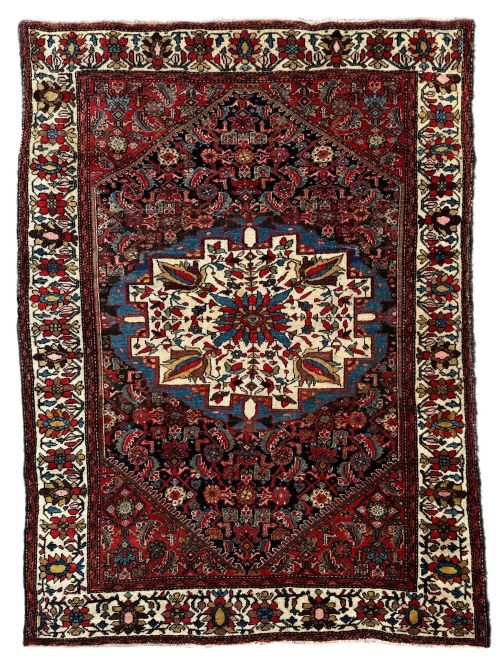
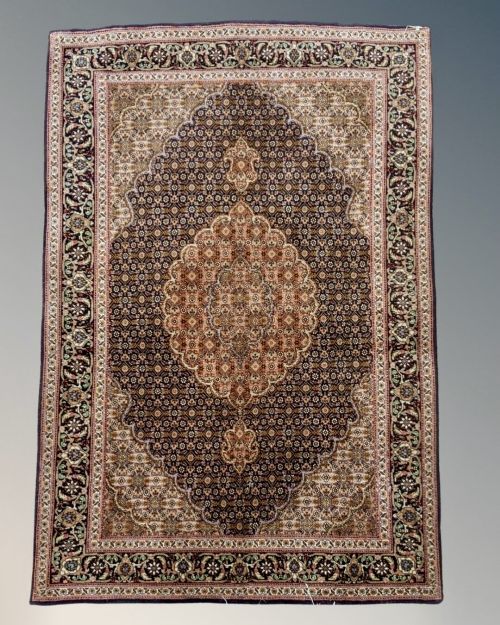
When you search for a bidjar rug runner, you are looking at resilient tribal and village floor coverings originating from the Kurdish weavers of western Persia. These pieces are renowned for their substantial weight and dense knotting, earning them the traditional description of the iron rug of Persia. The examples you encounter on this page span from the late nineteenth century into the early twentieth century.
The selection includes formats ranging from long narrow runners and kelleh carpets to room-sized rugs and kilims. You will find them grouped under descriptions referencing Persian Kurdish, tribal, and traditional village workshops. Their survival in robust condition reflects the heavy-duty materials chosen by the weavers.
Materials and construction
The foundation of a bidjar rug runner relies on sturdy cotton warps and wefts paired with thick wool pile. Weavers beat the wefts down heavily using a metal-toothed instrument during construction, which packs the foundation so densely that the rug can stand upright on its own. This rigorous technique produces a stiff, highly durable fabric that resists heavy foot traffic.
Natural wool provides a resilient surface that holds deep colour over decades of use. The combination of dense wool pile and tightly beaten cotton foundations creates the characteristic rigid structure associated with Kurdish weaving from this region.
Bidjar Rug Runner Retail Price Guide 2026
Typical asking prices for bidjar rug runner among the pieces listed under this phrase on Sellingantiques today, from the lower quarter to the upper quarter. They describe what is for sale here now, not the wider market.
Listings span production dates from 1870 through 1930, utilising wool and cotton across traditional Persian Kurdish village styles.
What separates the best pieces
The quality of a bidjar rug runner rests primarily on the fineness of the knotting and the handled suppleness of the heavy foundation. Better examples display precise geometric or floral layouts executed with sharp clarity in the wool pile. Weaving that maintains tight structural integrity without excessive stiffness represents superior regional craftsmanship.
Proportion and balance in the border designs also distinguish finer work from simpler village production. The depth and saturation of the wool dyes contribute significantly to the visual success of the piece.
The Bidjar Rug Runner Glossary
- Kelleh
- A large rectangular carpet format, longer than a standard room rug but wider than a runner. It typically occupies a middle ground in room sizing.
- Kilim
- A flatweave textile produced without a pile, resulting in a lighter and thinner carpet structure. These rely on interlocking weft threads to form crisp geometric patterns.
- Warp
- The vertical threads stretched lengthwise on the loom that form the structural skeleton of the rug. Cotton is standard in these Persian pieces.
- Weft
- The horizontal threads passed across the warp strands to lock the knots in place. Beating these threads firmly creates the dense structure typical of the region.
Bidjar Rug Runner: Frequently Asked Questions
How do I clean a bidjar rug runner?
Vacuum gently without using a rotating beater brush to protect the vintage wool pile. Professional specialist cleaning is advisable for periodic deep washing.
Avoid soaking the cotton foundation or exposing the piece to harsh chemical detergents. Proper drying prevents the heavy wool from retaining moisture.
Where should I place a long runner?
Hallways, corridors, and high-traffic passageways suit these narrow formats well because of their exceptional durability. The dense construction withstands daily footsteps without losing structural integrity.
Ensure you use an appropriate underlay to keep the heavy woven textile stable on smooth flooring. This prevents sliding and reduces friction against the base.
Are these runners suitable for busy hallways?
Their dense foundation and tightly packed pile make them exceptionally well suited for areas of heavy domestic use. The traditional iron rug construction resists crushing under repeated pressure.
Rotating the piece periodically ensures even wear across the length of the runner over years of service.
How do I identify a Kurdish village piece?
Look for robust wool, sturdy cotton foundations, and dense geometric or Herati-style patterns rooted in Persian Kurdistan. The heavy weight and stiff handle provide immediate clues to regional origin.
Examination of the back reveals the tightly beaten weft rows characteristic of western Persian village workshops from the period.