

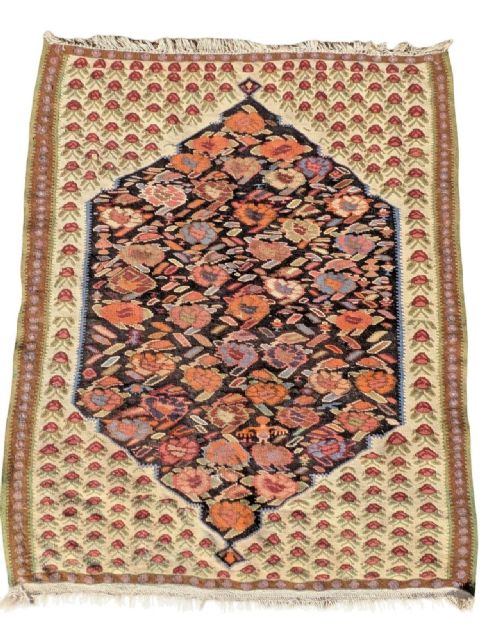
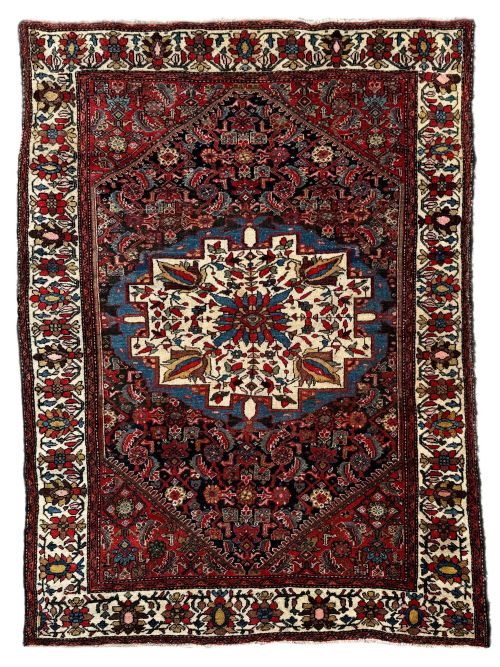
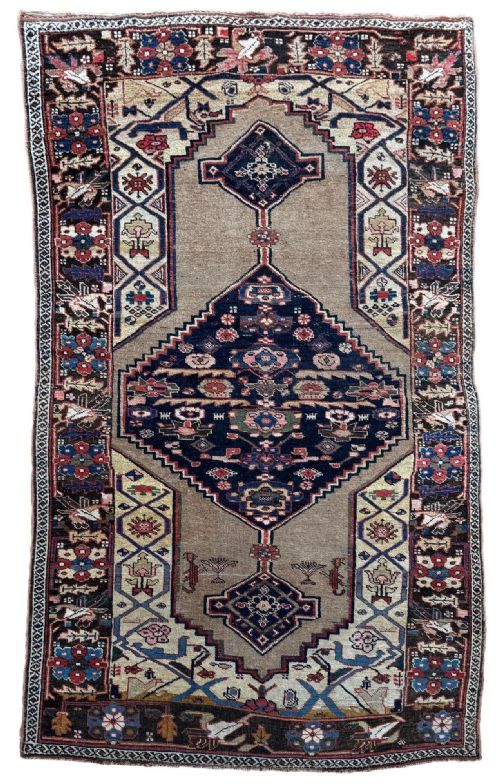


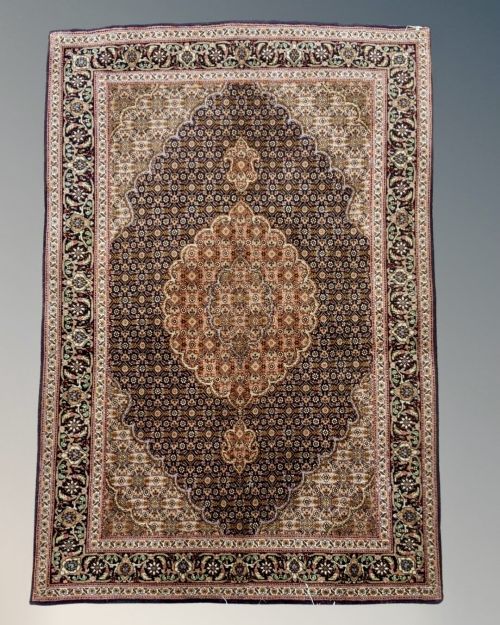



Bidjar Carpet Runner
A bidjar carpet runner brings immense structural density and rich Persian tribal artistry into long hallways.
Bidjar Carpet Runner
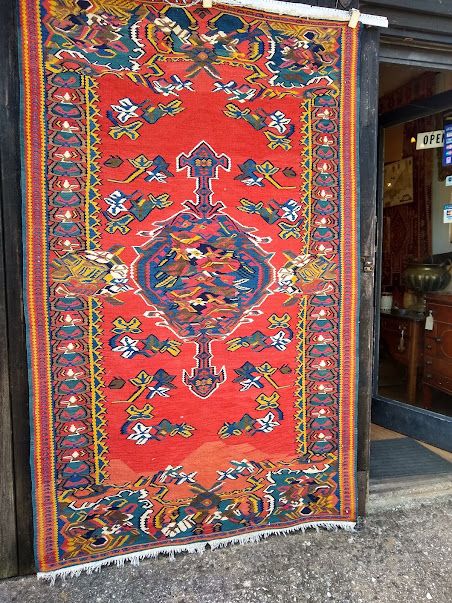
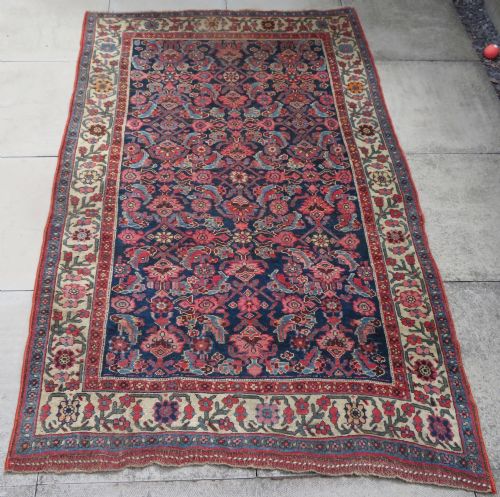
When you search for a bidjar carpet runner, you are looking at resilient Kurdish weaving originating from western Persia. These elongated floor coverings span periods from the late nineteenth century into the early twentieth century.
The examples gathered here encompass traditional Persian styles, Kurdish tribal pieces, and kelim flatweaves. They arrive in various room proportions, serving narrow corridors and extended spaces with robust utility.
How they were made
The construction relies fundamentally on wool and cotton, combining durable wool pile with sturdy cotton foundations. Weavers packed the knots exceptionally tight during creation.
This dense method produces a heavy, rigid fabric designed to withstand heavy foot traffic across decades.
Bidjar Carpet Runner Retail Price Guide 2026
Typical asking prices for bidjar carpet runner among the pieces listed under this phrase on Sellingantiques today, from the lower quarter to the upper quarter. They describe what is for sale here now, not the wider market.
Listings span production dates from 1870 to 1930, utilising wool and cotton across Persian tribal and Kurdish styles.
What varies in quality
Quality rests in the tightness of the knotting and the precision of the tribal motifs. Finer pieces demonstrate superior wool quality and deeper saturation in their vegetable dyes.
Older nineteenth-century examples often display greater complexity in design execution compared to later twentieth-century productions.
The Bidjar Carpet Runner Glossary
- Kelleh
- A large format carpet or long rug proportioned for specific room dimensions. This term describes grander room-sized Persian weaving.
- Kelim
- A flatwoven carpet produced without pile. These textiles rely purely on warp and weft interlacings.
- Kurdish
- Pertaining to the tribal groups of western Persia who traditionally knotted these textiles. Their distinctive weaving traditions define the region.
- Pile
- The raised surface of a carpet formed by knotted yarn ends. Dense pile provides both cushioning and durability.
Bidjar Carpet Runner: Frequently Asked Questions
Where should I place a runner?
Runners suit corridors, hallways, and entryways where foot traffic is heavy. Their elongated format bridges rooms while protecting wooden flooring.
Ensure you measure your hallway width and length carefully before selecting a piece to maintain proper clearance along the walls.
How do I date these rugs?
Dating relies on stylistic analysis, material wear, and structural characteristics observed in nineteenth and early twentieth-century examples. Comparing knot density and dye nuances helps establish the era.
Consult the listed production years to understand the specific decades represented by each rug.
Are these runners durable?
These pieces possess high durability due to dense wool knotting and sturdy cotton foundations. They withstand constant walking without losing their structural integrity.
Routine care and proper underlays preserve the wool pile for generations of continuous use.
What defines a tribal rug?
Tribal rugs reflect the geometric patterns, local symbolism, and nomadic traditions of their makers. They showcase individual expression rather than rigid court designs.
These motifs connect directly to the Kurdish heritage of western Persian workshops.