



Bevelled Mirror Plate
When you handle a bevelled mirror plate, you hold a piece of glass whose hand-ground edge angles back to catch the light.
Bevelled Mirror Plate
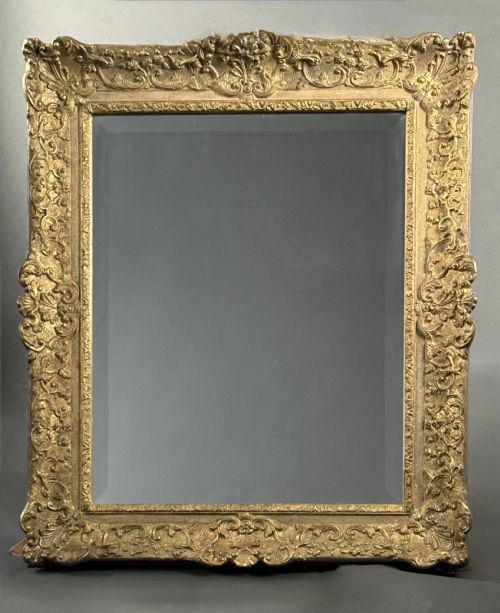
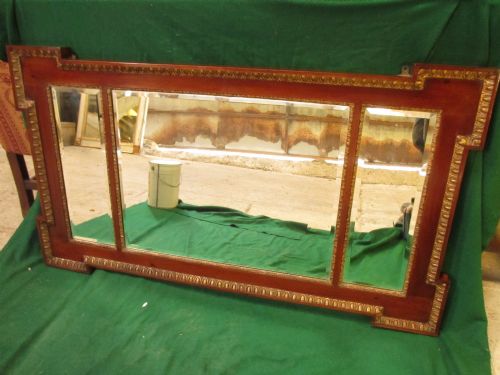
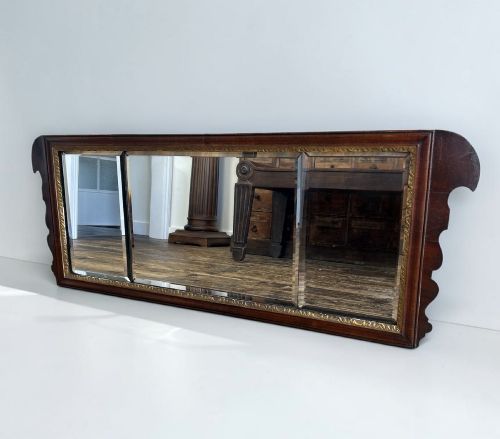
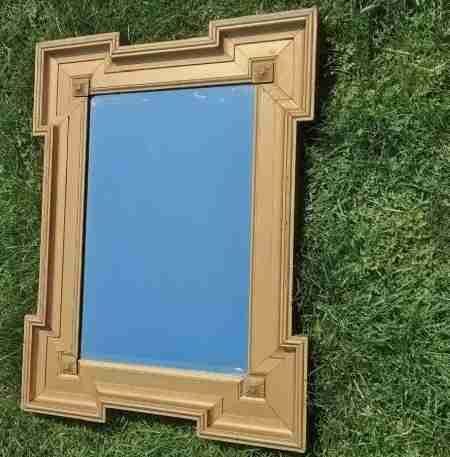
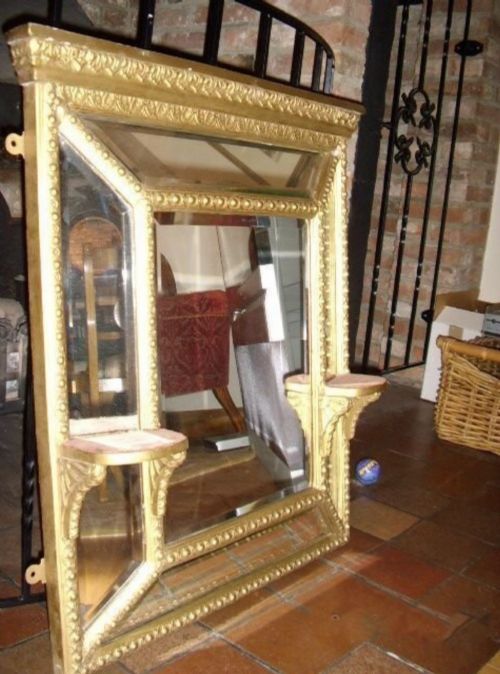
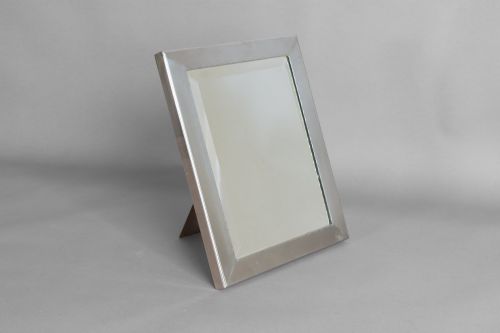
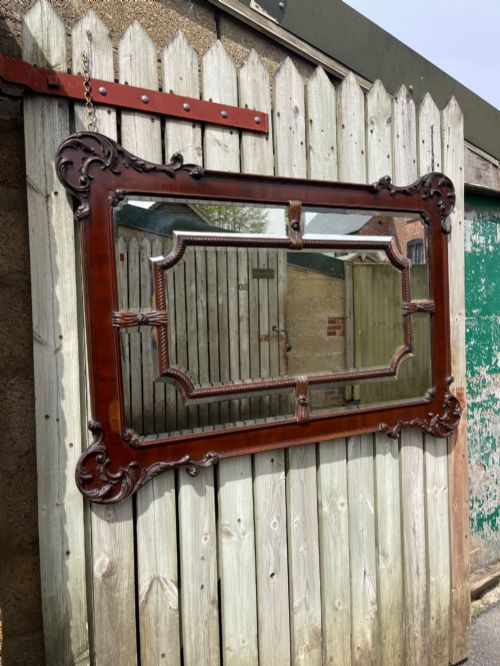
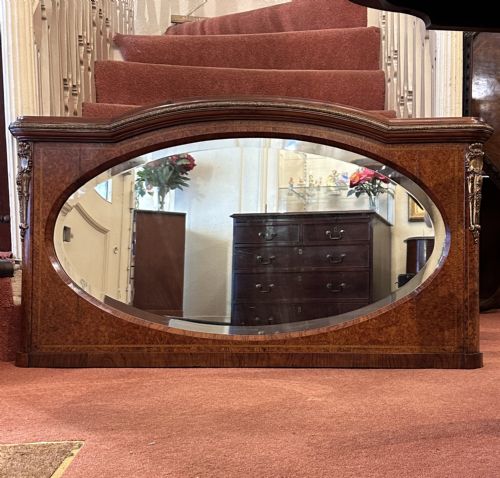
A bevelled mirror plate is the reflective glass central to wall mirrors, overmantels, dressing table mirrors, and occasional mirror plateau items found across periods from the Georgian era through the Edwardian years and into Art Deco designs. Buyers searching for a bevelled mirror plate encounter forms ranging from simple oval and rectangular plates to triple plates and large sectional configurations.
The versions most frequently met on this page span the 19th Century, Victorian period, and Edwardian decades, alongside Georgian examples and 1930s pieces. These items appear in giltwood, gesso, mahogany, walnut, and oak frames, as well as occasional frameless executions.
Materials and construction
Mirror glass forms the core of these pieces, often shaped by hand-bevelling the edges to create an angled slope that reflects ambient light at distinct angles. Frames utilise timber foundations in mahogany, walnut, oak, and burr yew-wood, alongside applied gesso and giltwood details finished with metal leaf.
Makers integrated structural elements such as brass hooks, ormolu mounts, pewter frames, and cabochon studs to secure and ornament the glass plates.
Listings feature glass, giltwood, gesso, mahogany, and walnut across periods from the Georgian era to Art Deco.
Assessing quality
Quality in a bevelled mirror plate rests on the clarity of the glass and the precision of the hand-ground bevel edge, which distinguishes finer early work from later mass production. The integrity of the surrounding frame, whether carved giltwood, figured walnut, or applied gesso, dictates the overall architectural presence.
Originality of the glass plate relative to the frame elevates a piece, as does the presence of period silvering showing gentle foxing rather than modern chemical replacement.
Maple and Co
The Bevelled Mirror Plate Glossary
- Bevelled glass
- Glass with an edge ground and polished to an acute angle. This sloping border refracts light differently than the flat centre.
- Foxing
- Small dark spots or brownish patination within the glass plate. This chemical ageing process occurs naturally over decades.
- Overmantel mirror
- A large mirror designed to hang above a fireplace mantelpiece. These often feature wide horizontal proportions and ornate gilt frames.
- Pier mirror
- A tall, narrow mirror made to hang on the wall space between windows. They frequently incorporate gilt gesso or walnut frames.
- Gesso
- A plaster-like material applied to wooden frames and carved or gilded. It provides a smooth base for gold leaf application.
Bevelled Mirror Plate: Frequently Asked Questions
How do I clean an antique mirror plate?
Clean antique mirror plates gently with a soft, dry microfibre cloth to remove dust without disturbing fragile edges.
Avoid spraying liquid cleaner directly onto the glass, as moisture can seep behind the plate and accelerate the deterioration of the silvering.
Is foxing on the glass a fault?
Foxing is a natural chemical ageing process rather than a structural fault. These small dark spots indicate genuine age in the mirror plate.
Many collectors prize minor foxing as proof of authenticity and historical depth.
How are overmantel mirrors mounted securely?
Overmantel mirrors require heavy-duty fixings screwed directly into wall studs or masonry to support their substantial weight. The frame structure distributes the load across multiple attachment points.
Professional installation is recommended for large giltwood and gesso pieces.
What is the difference between pier and wall mirrors?
Pier mirrors are specifically proportioned to hang on the narrow wall space between architectural openings or windows. They frequently feature tall, vertical formats paired with matching console tables.
Standard wall mirrors lack these specific spatial constraints and appear in square, oval, or horizontal layouts.