






Bevel Cut Mirror
A bevel cut mirror brings sharp reflection and deep refraction to a room, catching the light across periods from the Victorian era to Art Deco.
Bevel Cut Mirror
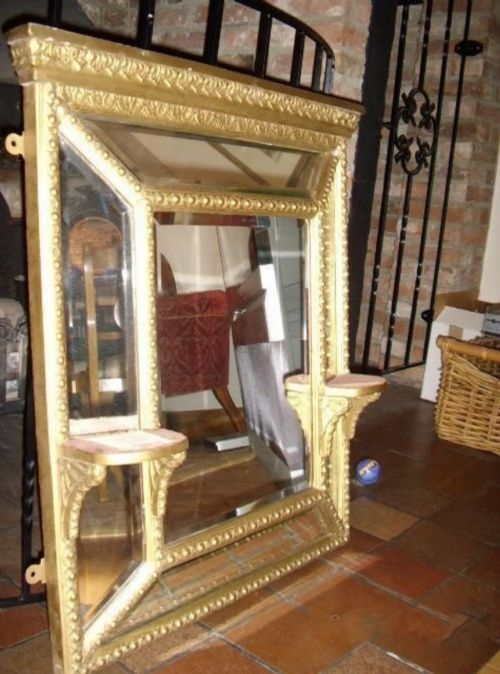
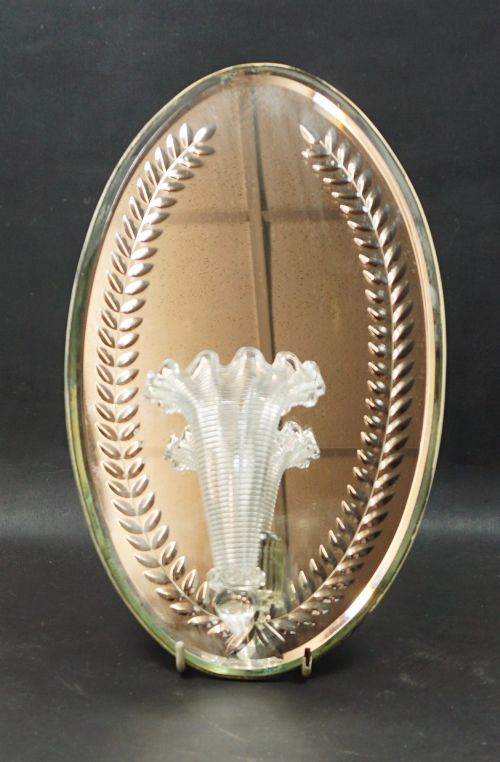
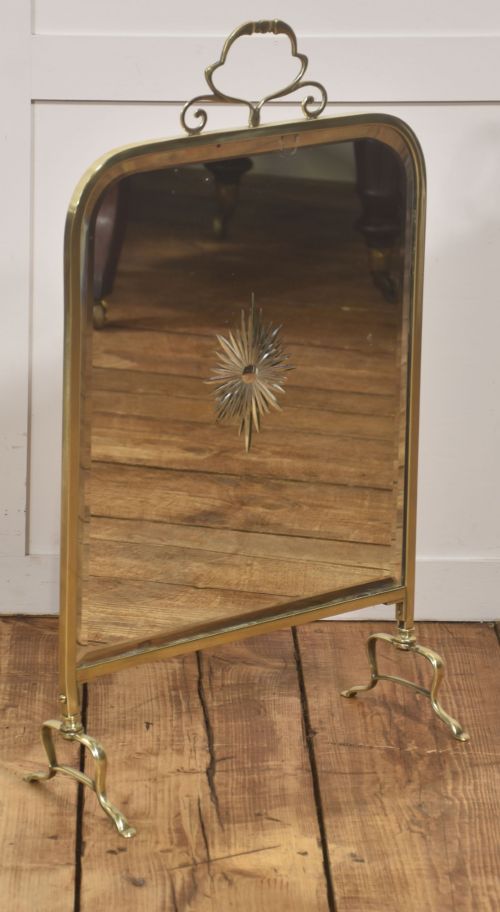
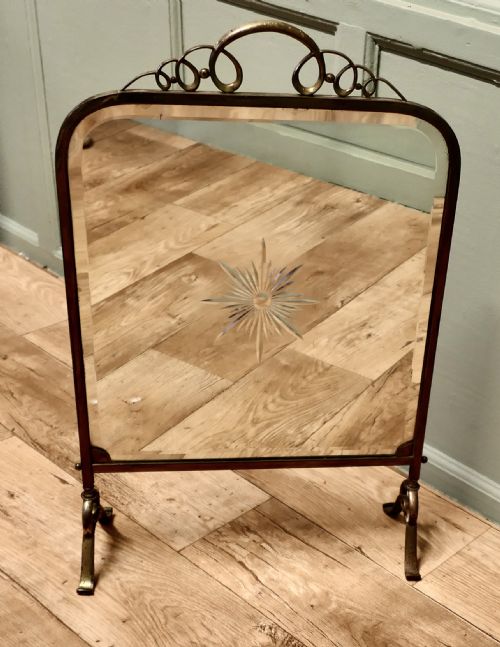
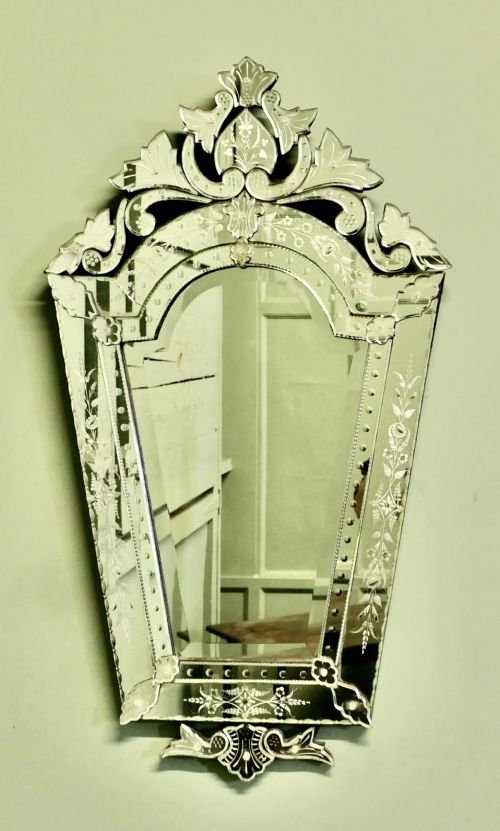
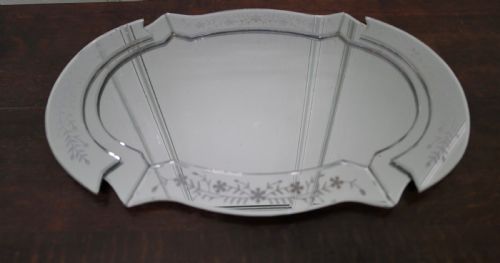
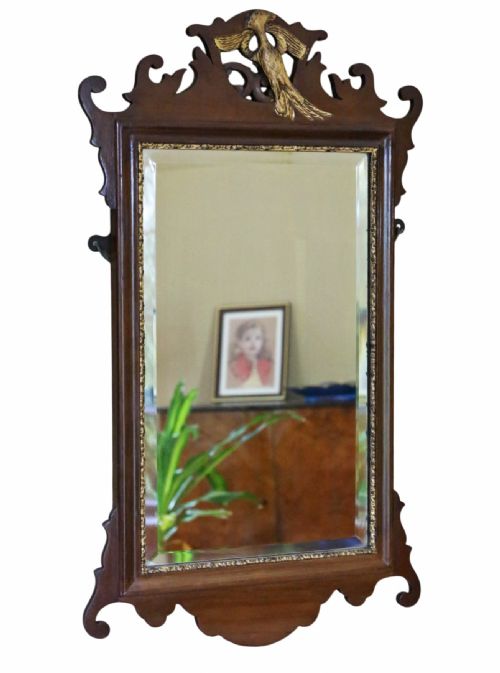
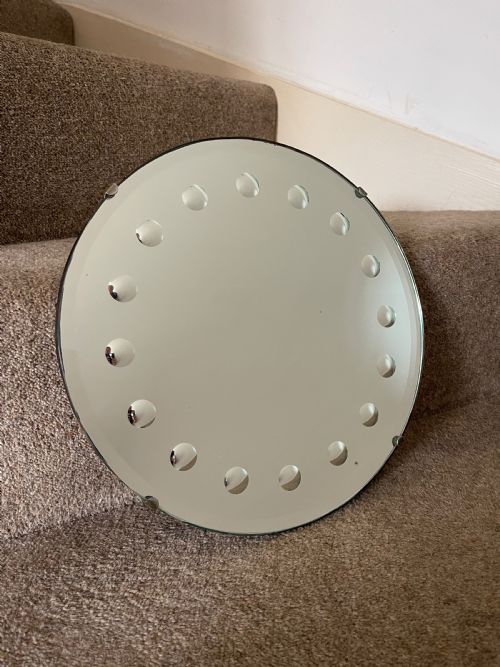
When you search for a bevel cut mirror, you encounter a variety of forms ranging from wall mirrors and fire screens to trays and mirror plateaus. These objects appear in styles such as Art Deco, Venetian, Georgian Revival, and the Aesthetic Movement, showing how makers adapted edge work to diverse domestic items.
The most common versions on this page span the late nineteenth century through the mid-twentieth century, encompassing Edwardian examples alongside pieces dated to the 1920s and 1930s. Frames and mountings shift between wood, brass, giltwood, chrome, and velvet, framing the reflective plates in distinct tactile materials.
Origins stretch from nineteenth century French workshops to British domestic production and Venetian glass houses. Each piece deploys its cut edge to create a sloping border that draws the eye inward toward the central glass.
How they were made
Makers produced these pieces using silvered glass and mirror glass, cut at an angle along the perimeter to create a sloped, light-refracting edge. This grinding technique required steady hands and abrasive wheels to achieve a clean, uniform facet.
Frames combine wood, brass, chrome, and giltwood, securing the heavy glass plates with structural backing and mouldings. Some examples integrate velvet coverings, fret-cut mahogany, or embossed glass panels to complement the primary mirror plate.
Bevel Cut Mirror Retail Price Guide 2026
Typical asking prices for bevel cut mirror among the pieces listed under this phrase on Sellingantiques today, from the lower quarter to the upper quarter. They describe what is for sale here now, not the wider market.
Listings span periods from the nineteenth century through the 1950s, uniting glass, brass, wood, and giltwood in functional wall and tabletop forms.
What varies in quality
The distinction between tiers rests in the precision of the edge grinding and the clarity of the silvered glass plate. Superior examples show crisp, uniform bevels that distribute light evenly without distortion across the surface.
Frame construction and material selection further separate the range, from simple wooden surrounds to intricate fret-cut giltwood, embossed glass, and heavy brass or chrome mountings. The integration of auxiliary elements, such as ornament shelves or etched detailing, dictates the refinement of the object.
The Bevel Cut Mirror Glossary
- Bevel cut
- A sloped edge ground along the perimeter of a mirror glass plate. This angled border refracts light and adds depth to the reflection.
- Silvered glass
- Glass coated on the rear surface with a reflective metallic compound. This layer creates the mirror effect beneath the transparent front pane.
- Fire screen
- A decorative panel placed before a fireplace when not in use. Many incorporate mirror glass or brass frames to reflect room light.
- Giltwood
- Wood carved and coated with a thin layer of gold leaf or gilt finish. It appears frequently on revival and period frames.
- Mirror plateau
- A tabletop mirrored tray used as a centrepiece for displays. These pieces often feature bevelled edges and decorative metal mounts.
Bevel Cut Mirror: Frequently Asked Questions
Where should I hang a bevel cut mirror?
These pieces suit spaces where they can capture and multiply natural light from windows. Placing one opposite a light source maximises the refractive quality of the angled edges.
They function effectively in hallways, above mantelpieces, or as decorative focal points within living rooms and bedrooms.
How do I care for antique mirror glass?
Clean the glass gently using a soft microfibre cloth and a mild, ammonia-free cleaning solution. Avoid spraying liquids directly onto the edges where moisture might seep behind the silvering.
Protect the wooden or metallic frames by dusting them regularly with a dry cloth and keeping them away from damp environments.
How do I identify an Art Deco mirror?
Art Deco pieces often feature geometric shapes, such as diamonds, sunbursts, or stepped silhouettes. The glass may be segmented or combined with chrome and brass framing.
They reflect the machine-age aesthetic popular during the 1920s and 1930s, contrasting with earlier ornate revival styles.
What is a mirror plateau used for?
A mirror plateau serves as a reflective base for table displays, originally designed to hold candlesticks, porcelain figures, or floral arrangements. The mirrored surface amplifies the candles and objects placed upon it.
They bring light to dining tables and sideboards while protecting surfaces from heat or moisture.