



Bentwood Hall Furniture
Bentwood hall furniture delivers practical structure and fluid curves, offering sturdy places for coats and hats in hallways.
Bentwood Hall Furniture
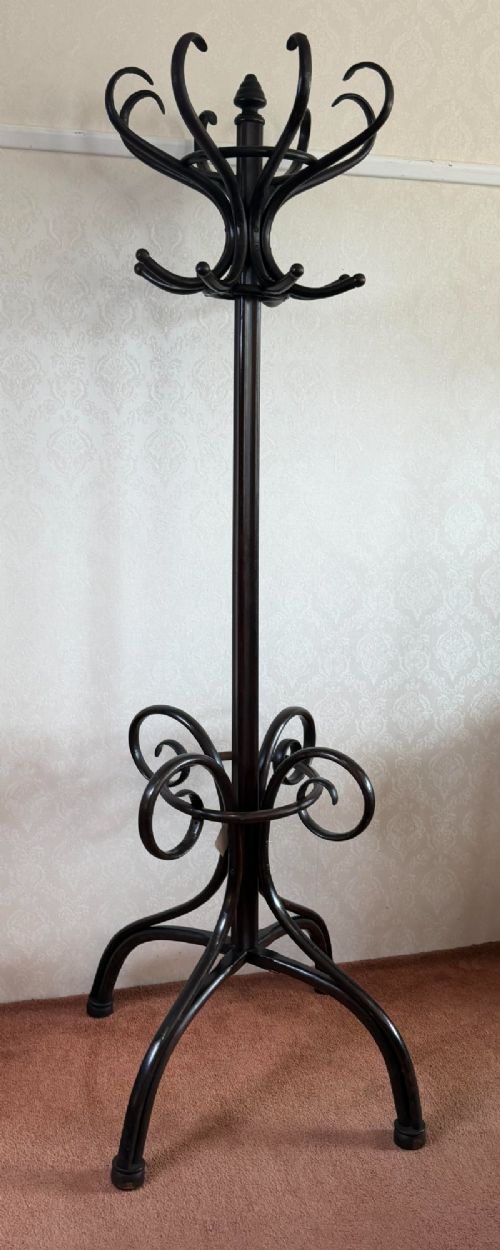
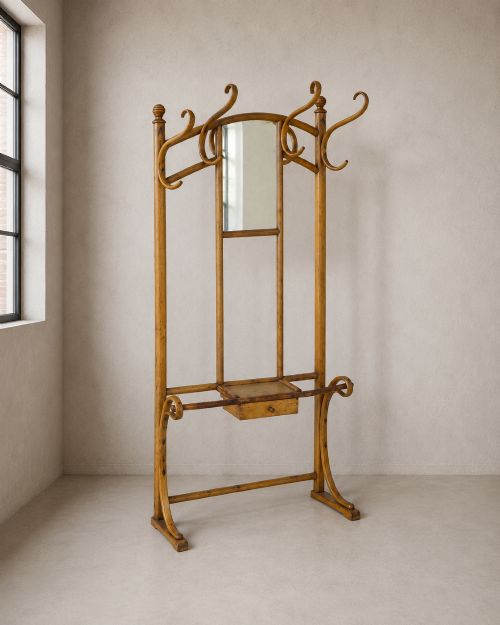
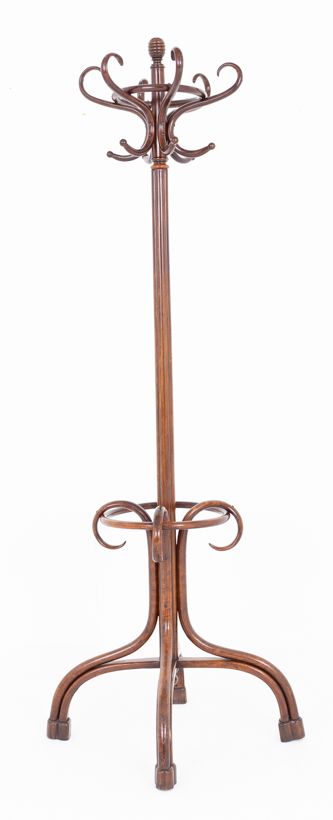
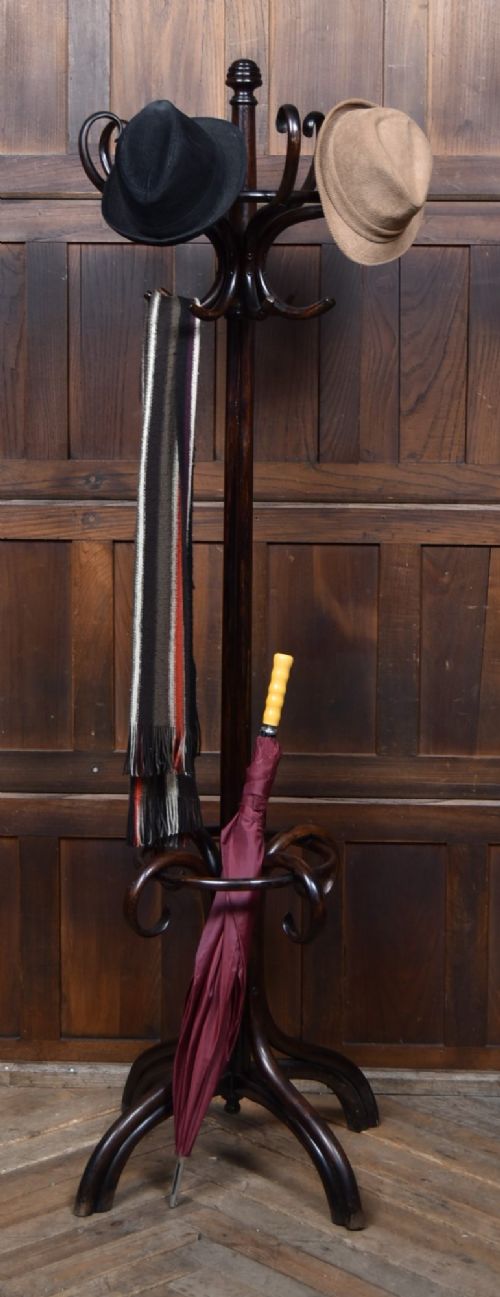
When you search for bentwood hall furniture, you encounter items designed primarily for hallway storage, dominated by tall coat stands, hat stands, and occasional side or console tables. These pieces date from the Victorian and Edwardian periods, stretching from the late nineteenth century into the early decades of the twentieth century.
The most common form you meet on this page is the vertical coat and hat stand designed to stand against a wall, often featuring a double top and multiple curved hanging hooks. Side tables and console tables with rosewood tops also appear, reflecting the broader output of major workshops.
The style spans Victorian designs, Thonet style pieces, and Art Nouveau productions, reflecting the aesthetic shifts of the period. Pieces originate largely from European makers utilising steam-bent techniques to furnish domestic entrances with durable wooden utility.
Distinctions in standard and execution
The division between standard examples and superior pieces rests on the complexity of the bent elements and the integrity of the original joins. Elaborate double-top configurations and complex scrollwork demonstrate advanced mastery of the steam-bending medium compared to simpler vertical poles.
Proportion and scale also dictate distinction, with larger wall-standing designs commanding attention through balanced architectural presence. The presence of documented workshop signatures or secondary materials such as rosewood tops elevates specific items above standard utility production.
Bentwood Hall Furniture Retail Price Guide 2026
Typical asking prices for bentwood hall furniture among the pieces listed under this phrase on Sellingantiques today, from the lower quarter to the upper quarter. They describe what is for sale here now, not the wider market.
Materials recorded on this page include beechwood, steam-bent wood, glass, and rosewood table surfaces.
Thonet·Fischel
The Bentwood Hall Furniture Glossary
- Bentwood
- Wood that has been shaped by applying steam and pressure to create permanent curves. This technique defines the entire category of furniture.
- Steam-bent wood
- Timber processed through hot steam chambers to soften the lignin before bending into specific radiuses. The method produces lightweight and resilient furniture frames.
- Console table
- A flat surface supported against a wall, occasionally produced in bentwood forms during the late nineteenth century. These tables provide shallow surfaces for hallway display.
- Art Nouveau
- A design style spanning the late nineteenth and early twentieth centuries characterised by organic motifs and flowing lines. Several tables and stands incorporate these sinuous decorative details.
- Double top
- A coat stand design incorporating two tiered rings or crowns for hat storage. This configuration increases the hanging capacity of the piece.
Bentwood Hall Furniture: Frequently Asked Questions
How do I date a bentwood hall stand?
Dating relies on stylistic markers, construction methods, and period documentation associated with late nineteenth and early twentieth century production. Victorian and Edwardian examples often display distinct crown designs and structural joinery typical of those decades.
Later pieces from the nineteen-twenties sometimes exhibit simpler forms or modified hanging arrangements. Comparing the curves and timber finishes against known workshop catalogues helps narrow the decade of manufacture.
Where should I place a bentwood coat stand?
These tall vertical stands suit entrance halls, corridors, and boot rooms where visitors require accessible hanging space for outerwear. Their vertical footprint allows them to occupy narrow wall spaces without obstructing movement.
Keep them away from direct heat sources such as radiators to prevent the steam-bent timber from drying out or warping. Positioning them on level flooring ensures stability when loaded with heavy coats and hats.
Are bentwood hall stands stable enough for heavy coats?
Original pieces were engineered to support multiple winter garments, hats, and umbrellas through balanced weight distribution and wide base designs. The structural integrity of the steam-bent frame provides natural resilience under normal domestic loads.
Distributing weight evenly across the hooks prevents the stand from leaning or tipping during daily use. Checking that the base bolts and central screws remain tight preserves this structural stability.
How do I clean and maintain steam-bent furniture?
Dust the curved surfaces regularly with a dry cloth to prevent dirt accumulation within the intricate joints and bends. Occasional application of appropriate wood wax maintains the finish of the stained beech without building up residue.
Avoid using excessive water or harsh chemical cleaners that might degrade the historic polish or affect the wood fibres. Maintaining stable indoor humidity protects the steam-bent components from environmental stress.