

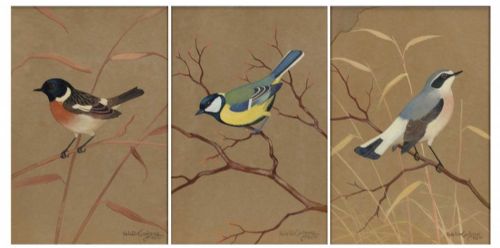


Beige Watercolour Artwork
These beige watercolour artwork pieces bring quiet tones and paper texture to a wall, offering calm depictions of landscapes and maritime scenes.
Beige Watercolour Artwork
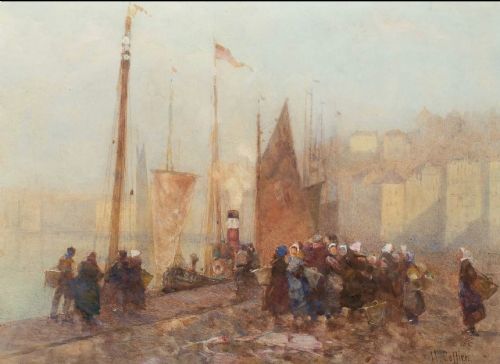
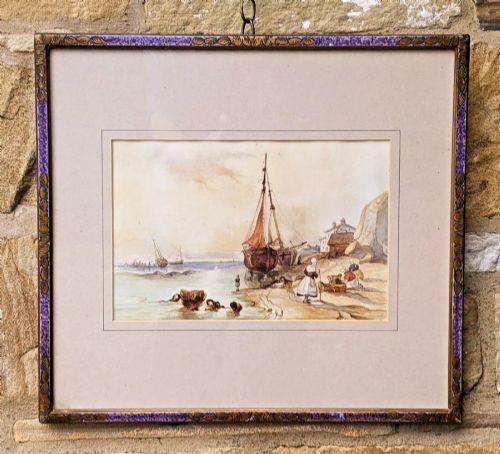
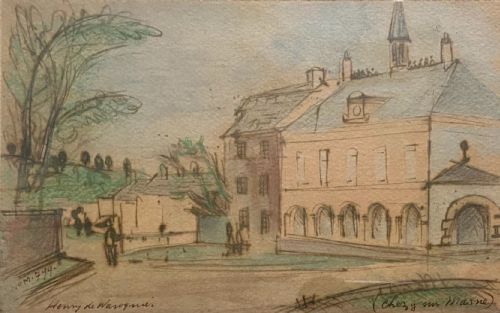
A buyer examining beige watercolour artwork encounters works on paper spanning from the nineteenth century through the mid-twentieth century. The selection encompasses framed paintings, drawings, and albums of sketches executed in muted natural palettes.
Most examples lean towards British landscape, coastal, and maritime subjects alongside botanical studies and figurative compositions. The works frequently arrive framed in wood with glass protection.
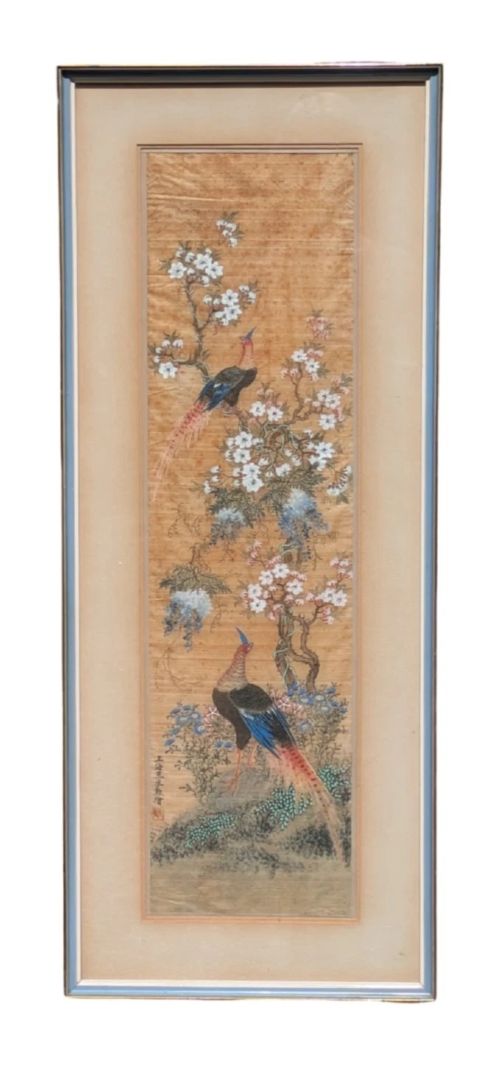
Originating largely from British and European hands, alongside specific Chinese examples on silk or paper, these pieces reflect regional schools ranging from Victorian to mid-century modern.
How they were made
Artists deployed watercolour pigment mixed with water upon paper or silk surfaces, often laying down preliminary pencil lines. Gouache and ink frequently join the watercolour pigment to add opacity and definition to the linear elements.
The paper supports range from antique sheets to sketchbooks and albums, housed behind glass within wooden frames to preserve the delicate pigment layers from atmospheric moisture and light degradation.
Listings feature works executed on paper, silk, and wood supports utilising watercolour pigment, ink, and gouache.
What varies in quality
The strength of the composition and the confidence of the brushwork distinguish the finest works from ordinary examples. Masterful handling of pigment wash creates luminosity on the paper, whereas lesser pieces lack tonal depth.
Provenance and documentation elevate certain paintings, particularly when signed by recorded artists or associated with specific schools and exhibitions. The integrity of the original frame and the preservation of the paper surface further influence the standing of each piece.
Hector Caffieri·William Frederick Settle·Dame Elisabeth Frink·Cuthbert Crossley·Fred Lawson·Leslie Rackham·Kate E Booth·Ya Ming·Snaffles·Dame Laura Knight·George De Paris·Sir William Charles Ross
The Beige Watercolour Artwork Glossary
- Watercolour pigment
- A colourant ground with a water-soluble binder, applied in translucent washes to paper. This medium relies on the white of the paper to shine through the transparent layers.
- Gouache
- An opaque water-based paint containing pigment, water, and a binding agent such as gum, often used alongside watercolour to create solid highlights. It provides a flat, matte finish.
- Works on paper
- A collective term encompassing drawings, watercolours, ink sketches, and prints executed on a paper support. These pieces typically require framing under glass for protection.
- Silk support
- A woven textile base utilised for painting, providing a smooth surface that absorbs ink and watercolour with distinct softness. It appears in classical Asian scroll and album formats.
Beige Watercolour Artwork: Frequently Asked Questions
What periods do these watercolours span?
The selection covers pieces originating from the nineteenth century through the 1960s, capturing Victorian, Edwardian, and mid-century aesthetics.
Specific decades represented include the 1900s, 1920s, 1930s, and 1940s alongside broader nineteenth-century examples.
How should I display watercolour paintings?
Watercolours require placement away from direct sunlight to prevent the pigments from fading over time. Glazing with glass and framing in wood protects the delicate paper surface from dust and humidity.
Keeping the works in stable indoor environments ensures the paper support remains free from moisture damage and warping.
Are these works signed by the artists?
Many of the watercolours carry artist signatures, initials, or studio stamps, while others remain attributed to specific schools or periods. Signed examples often provide clear attribution to known painters and illustrators.
Unsigned works are judged purely on their stylistic execution, medium handling, and period characteristics.