




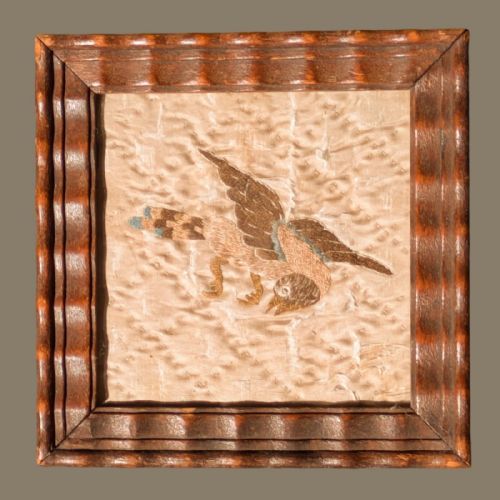


Beige Silk Embroidery
Beige silk embroidery brings together soft, muted textiles and needlework spanning Georgian samplers to Central Asian suzanis.
Beige Silk Embroidery
When buyers search for beige silk embroidery, they encounter a diverse range of historic needlework, framed textiles, and wall art. The selections on this page span several centuries, featuring pieces created across different regions and traditions.
You are most likely to meet framed English needlework samplers alongside large Central Asian suzanis and regional shawls. These textiles utilise silk thread on various foundation grounds such as linen, cotton, and silk.
The aesthetic of these items relies heavily on neutral palettes, where natural silk threads create subtle tonal variations. Originating from workshops, domestic settings, and international trade, each piece reflects the specific decorative tastes of its period.
How they were made
Makers utilised fine silk thread applied to various foundation materials, including linen, cotton, and woven silk panels. Many examples incorporate specialised stitching techniques executed by hand within domestic or regional traditions.
Framed textiles and samplers often feature wooden surrounds and glass protection to preserve the delicate needlework. Larger panels and suzanis rely on substantial textile backings to support intricate surface decoration.
Beige Silk Embroidery Retail Price Guide 2026
Typical asking prices for beige silk embroidery among the pieces listed under this phrase on Sellingantiques today, from the lower quarter to the upper quarter. They describe what is for sale here now, not the wider market.
Listings incorporate items from the Georgian and Victorian periods alongside 18th and 19th-century works.
What varies in quality
The excellence of these pieces rests on the precision of the needlework and the integrity of the silk thread. Finer examples display meticulous stitch density and well-preserved tonal gradients across the design.
Condition and completeness separate standard items from superior specimens, particularly regarding ground fabrics and original framing. The sophistication of the regional design or sampler composition also dictates the standing of the piece.
The Beige Silk Embroidery Glossary
- Sampler
- A piece of needlework produced as a demonstration or test of skill, often featuring alphabets and motifs. Georgian examples frequently include maker names and dates.
- Suzani
- A large, embroidered tribal wall hanging from Central Asia, typically worked in silk thread on a cotton or linen ground. These textiles often feature bold botanical motifs.
- Needlework
- The craft of decorating fabric or other materials using a needle and thread. This term encompasses various historical stitching methods found on panels and samplers.
- Textile Panel
- A flat section of decorated fabric designed for display or integration into furnishings. These pieces highlight specific regional embroidery techniques and materials.
Beige Silk Embroidery: Frequently Asked Questions
How do I care for antique silk embroidery?
Keep textile pieces away from direct sunlight to prevent the silk threads from fading and weakening over time. Maintain a stable indoor environment free from excessive moisture to protect fragile natural fibres.
Display framed works securely behind protective glass using conservation-grade mounting where possible. Avoid applying direct pressure or cleaning agents to the delicate surface embroidery.
What is the difference between a sampler and a suzani?
Samplers are educational or decorative needlework pieces typically created by young makers to demonstrate stitching proficiency. They frequently record names, dates, and alphabets within a framed format.
Suzanis are large, ornamental wall textiles originating from Central Asia, worked in rich silk threads on woven grounds. Their designs focus on large-scale botanical and geometric patterns rather than lettering.
How can I tell the age of a needlework sampler?
Examine any inscribed dates, maker names, or institutional references stitched directly into the textile composition. Stylistic indicators such as lettering fonts and border motifs also provide clues to the period.
Assess the physical composition, including the type of linen or cotton ground and the spin of the silk thread. Comparing the stitching structure with documented examples helps narrow down the decade of creation.
Where were these embroidered panels made?
The pieces originate from diverse locations, ranging from domestic English schoolrooms to workshops in Central Asia and the Greek islands. Each region developed distinct aesthetic traditions and functional uses for needlework.
Geographic attribution relies on characteristic motifs, stitching techniques, and foundational fabrics native to specific cultures. Trade routes and regional customs heavily influenced the design vocabulary of these textiles.