

Beige Wall Art
When you search for beige antique wall art, you are tracking down centuries of woven textiles, oils, and watercolours in neutral tones.
Beige Wall Art
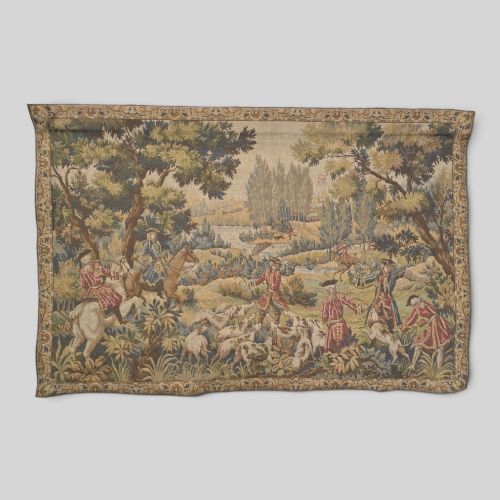
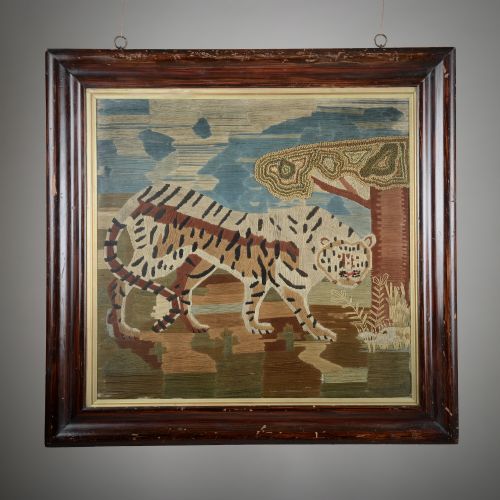
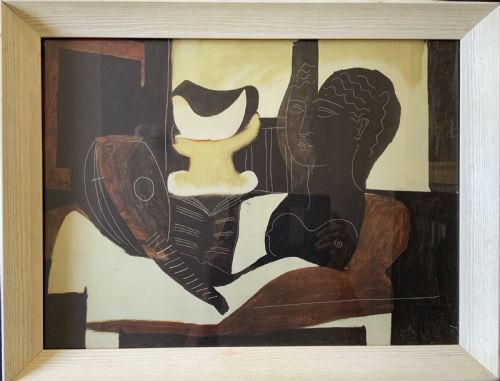
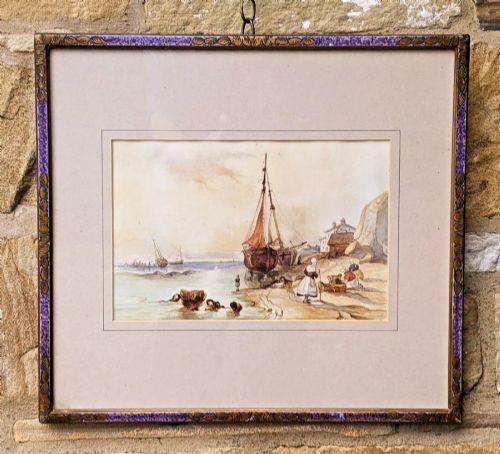
When searching for beige antique wall art, you encounter a diverse mix of historical wall hangings, framed paintings, and textiles rendered in neutral or muted palettes. The selection spans centuries of craft, from seventeenth-century Flemish tapestries and needlework samplers to nineteenth-century watercolours and oils on canvas.
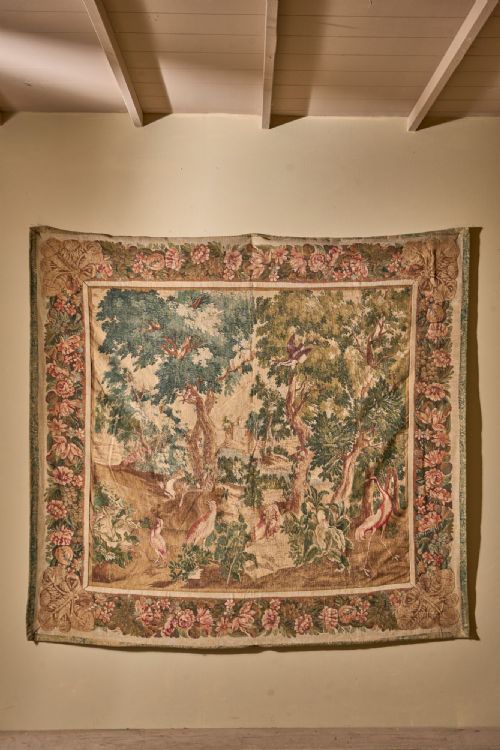
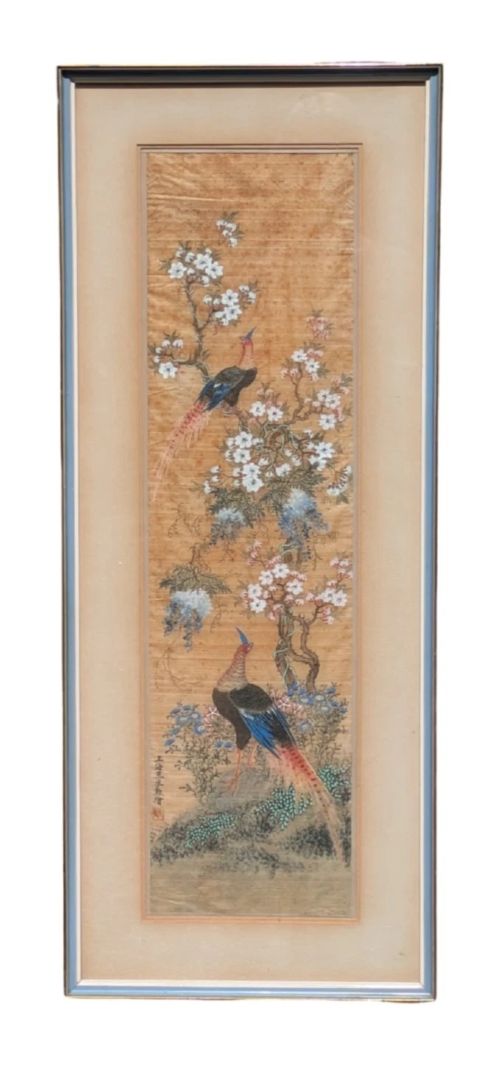
The most frequent items meeting this description are large French and Flemish wall tapestries, alongside botanical and landscape watercolours on paper and silk. These pieces rely on natural wool, linen, cotton, and faded silk grounds that naturally settle into warm, neutral tones over time.
Materials and Construction
The physical construction of these works relies heavily on organic fibres and traditional pigments applied to stable grounds. Tapestries utilise wool, silk, and cotton warp and weft threads woven on looms to build complex pictorial scenes.
Paintings and prints employ oil on canvas, watercolour on paper, and silk embroidery, often supported by wooden stretcher frames or housed behind glass. Relief panels incorporate media such as marble dust to achieve textured surfaces.
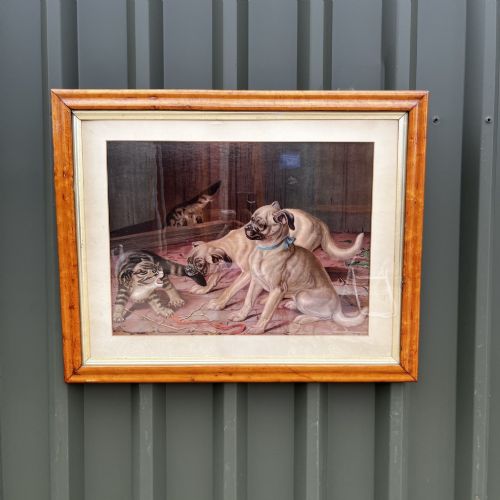
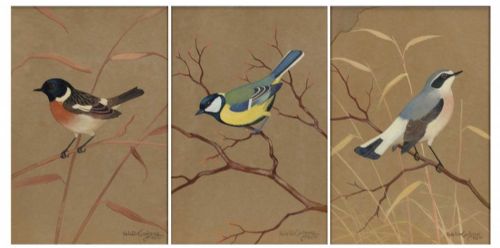
Cats, pugs, garden birds, geese in flight, and cherubs frequently peer out from these neutral historical textiles and paintings.
Markers of Quality
The standard of a piece depends on the fineness of the execution, whether through the density of the wool and silk weave in a tapestry or the brushwork control in an oil painting. Master weavers and named artists achieve a depth of tone and anatomical precision that distinguishes superior items from simpler decorative works.
Condition and completeness also determine the standing of these objects. Original mounting, minimal restoration to fragile textile grounds, and clear signatures or historical provenance elevate individual pieces above anonymous fragments.
L. De Gent·Horatio Henry Couldrey·Ralston Gudgeon·William Frederick Settle·Fred Lawson·Leslie Rackham·Freda Marston
The Beige Wall Art Glossary
- Tapestry
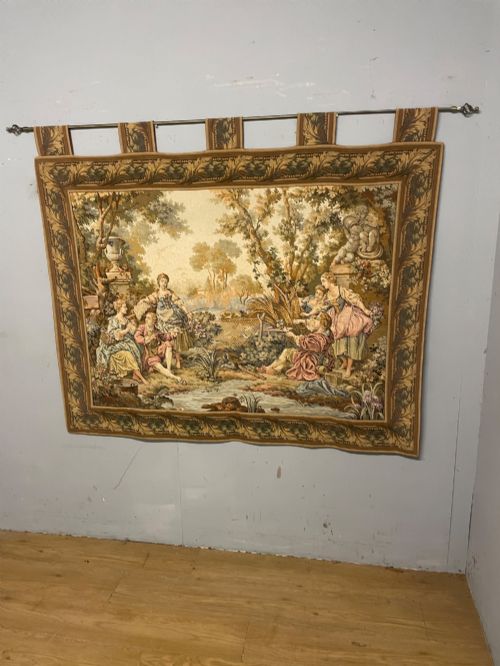
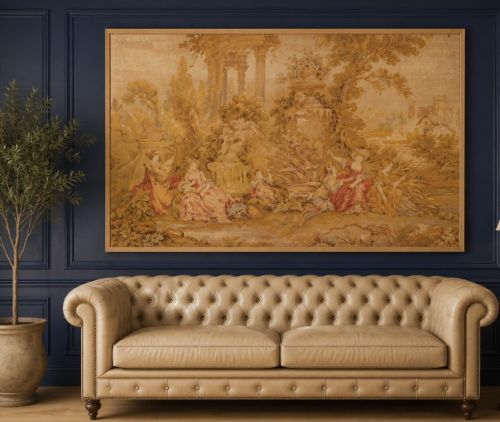
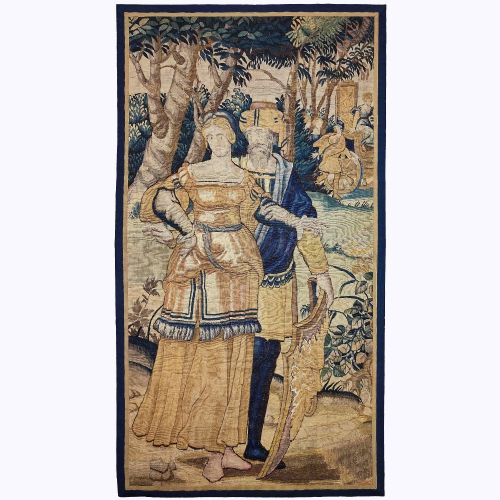
- A heavy hand-woven textile designed for wall hanging, depicting figurative or pastoral scenes using wool, silk, and cotton threads. These works often serve as major architectural decorations.
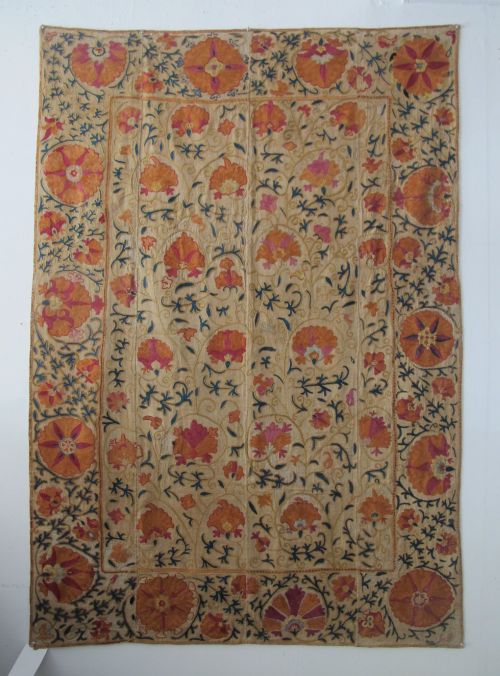
- Suzani
- A type of embroidered tribal textile originating from Central Asia, traditionally worked in silk on a cotton or linen ground. They display bold floral motifs and geometric patterns.
- Chromolithograph
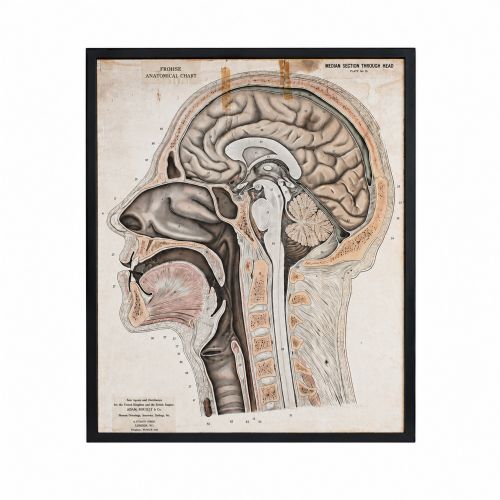
- A multicolour planographic printing technique used to produce botanical charts and illustrated prints during the nineteenth century. This method builds images through successive lithographic stones.
- Sampler
- A piece of needlework produced by a maker to demonstrate proficiency in various embroidery stitches, often including alphabets, dates, and names. They provide clear chronological markers.
- Trompe l'oeil
- An art technique involving extremely realistic imagery that optical illusion creates the perception of three-dimensional objects on a flat surface. This style frequently appears in decorative panels and ceiling designs.
Beige Wall Art: Frequently Asked Questions
How do I care for antique tapestries?
Keep woven wall hangings away from direct sunlight to prevent the natural wool and silk fibres from fading. Support the weight evenly across the hanging batten rather than pinning through the textile.
Dust them gently with a soft brush or low-suction vacuum through a protective mesh screen. Avoid moisture and professional cleaning unless handled by a textile conservator.
What is an Aubusson tapestry?
Aubusson refers to tapestries woven in the French town of Aubusson, known for pastoral and floral designs without metallic threads. These pieces date largely from the eighteenth and nineteenth centuries.
They generally feature muted, natural tones that blend well into neutral interior schemes.
How do I identify a nineteenth-century watercolour?
Examine the paper stock for watermark indicators and hand-laid textures typical of nineteenth-century paper mills. Pigments from this era often show characteristic matte finishes without modern acrylic gloss.
Signatures, framing remnants, and period inscriptions on the reverse help confirm the era of production.
What is the difference between a sampler and a tapestry?
A sampler is an embroidered cloth featuring practice stitches, alphabets, and names, usually created by an individual as a domestic exercise. A tapestry is a structural wall hanging woven on a loom with complex pictorial imagery.
Samplers focus on needlework technique, whereas tapestries function as large-scale woven wall art.