


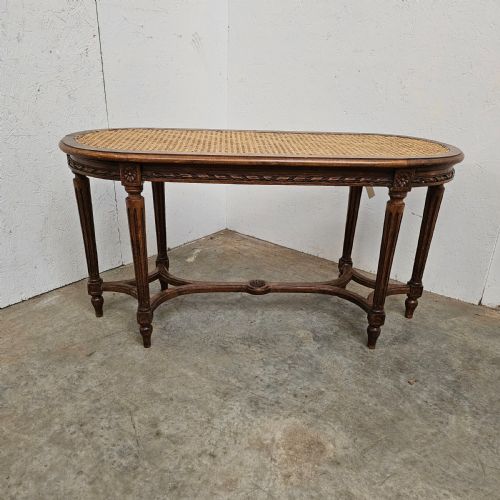

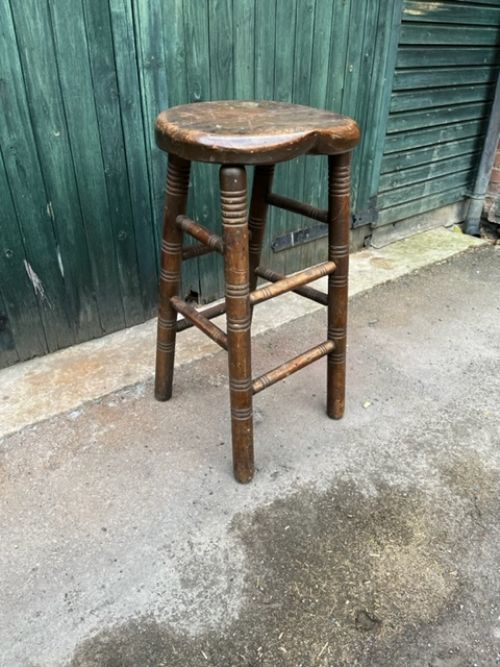

Beech Wooden Stool
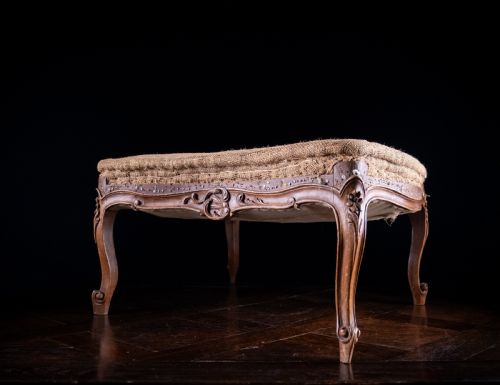
A beech wooden stool brings honest utility and warmth to a room, offering sturdy charm whether you choose a simple kitchen seat or a carved Victorian footstool.
Beech Wooden Stool
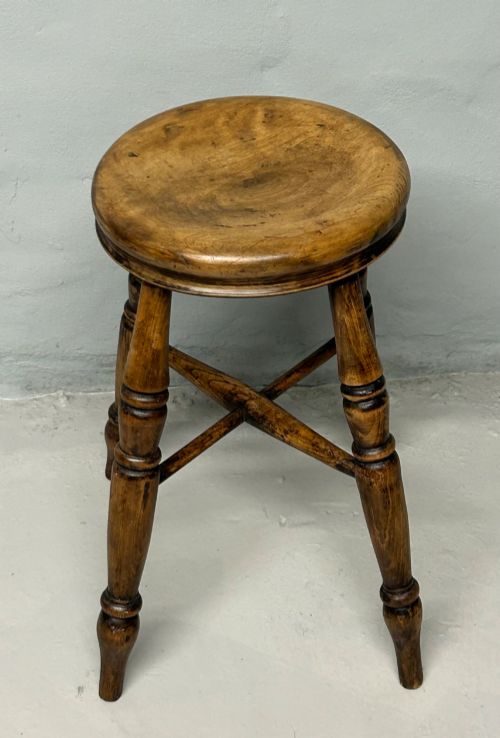
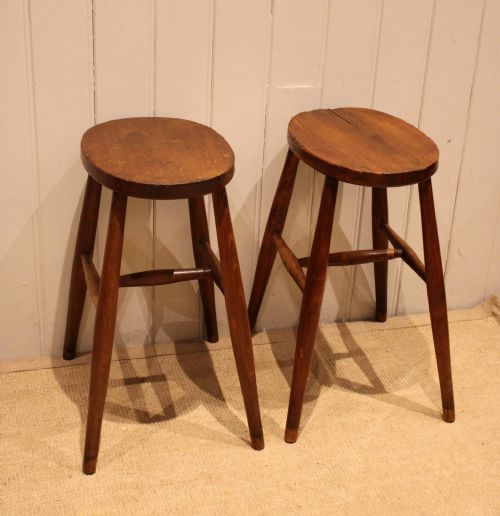
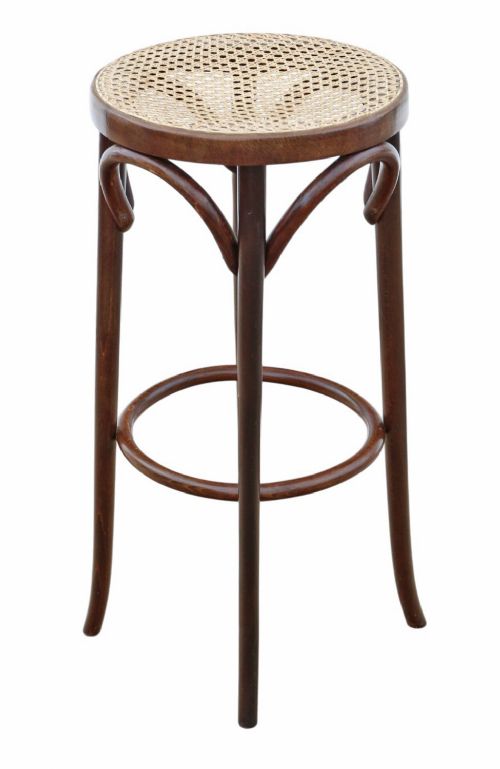
A beech wooden stool encompasses a diverse group of practical seating and support pieces found in country, rustic, and period settings. The selection on this page ranges from nineteenth-century tavern stools and clerk's stools to bentwood designs from the early twentieth century.
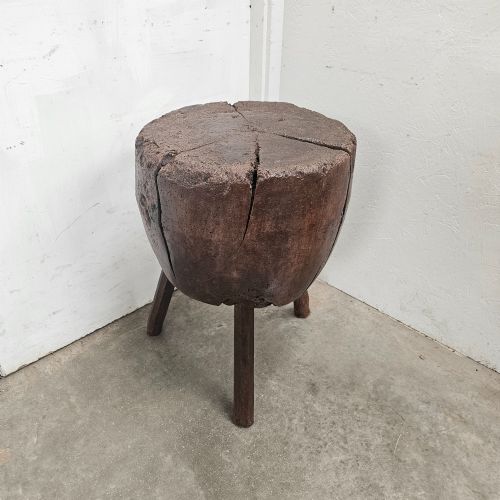
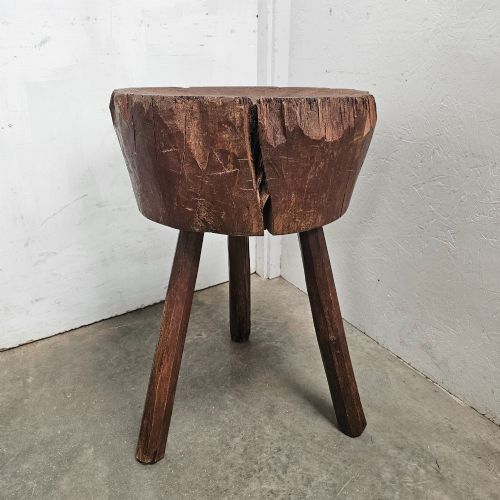
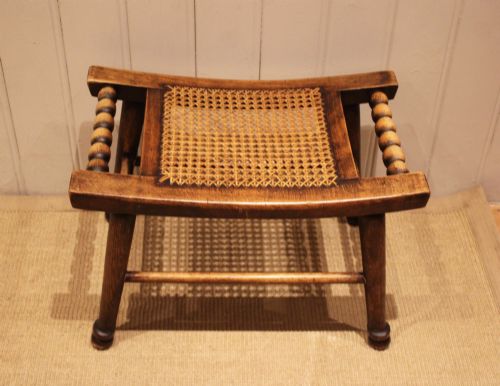
Buyers will encounter various forms, including footstools, gout stools, kitchen stools, and game blocks. Many examples blend beech with secondary woods such as elm, or incorporate cane and upholstery.
Origins span English and French country traditions alongside European bistro styles. Pieces date from the Victorian era through the early decades of the twentieth century.
Materials and Construction
Construction relies heavily on solid beech, valued for its dense and even grain which suits turned legs and bentwood frames. Makers frequently paired beech with elm for seats or combined the timber with woven cane, jute, and hessian.
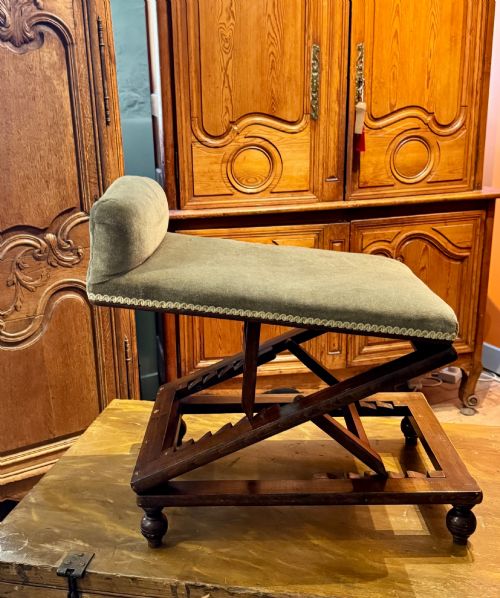
Techniques range from traditional wood-turning for legs and spindles to steam-bending for curved components seen in bistro and bentwood stools. Upholstered variants employ fabrics, velvet, and adjustable mechanisms for gout stools.
Object forms span clerk's stools, luggage stands, game blocks, and adjustable gout stools.
Assessing Quality and Character
Quality in a beech wooden stool rests on the integrity of its joinery, the execution of turned or carved details, and the preservation of its original surface. Stools featuring maker attributions or sophisticated forms like metamorphic mechanisms sit at the higher end.
Patina and wear tell the story of functional use, where honest signs of age enhance the character of primitive country blocks and kitchen seating. The balance between sturdy construction and retained surface texture distinguishes finer examples.
Brown and Lamont·Thonet
The Beech Wooden Stool Glossary
- Bentwood
- Wood shaped by steaming to create curved forms. This technique produced lightweight and resilient frames popular in early twentieth-century seating.
- Gout stool
- An adjustable footstool designed to elevate and support the foot. These often feature mechanical tilt adjustments and upholstery.
- Game block
- A heavy timber block utilised for food preparation or game butchery. French primitive examples display dense end-grain construction.
- Caning
- A woven seating material made from rattan strips. It provides a flexible and breathable surface on chairs and stools.
- Metamorphic
- Describing furniture that transforms from one function to another. Nineteenth-century examples often convert between a footstool and a rest.
Beech Wooden Stool: Frequently Asked Questions
How do I date an old beech stool?
Dating relies on observing construction methods, tool marks, and hardware types used in the frame. Nineteenth-century pieces often display hand-turned elements and pegged joinery, whereas twentieth-century items may show steam-bent components.
Style indicators, such as Victorian proportions or Louis XV carvings, also provide a reliable guide to the period of manufacture.
Were these stools used in kitchens?
Many sturdy beech stools served practical roles in domestic kitchens, farmhouses, and workshops. Simple turned designs and sets of kitchen stools provided durable seating for daily tasks.
Pubs and taverns similarly utilised robust wooden stools for counter and bar use.
What is a metamorphic stool?
A metamorphic stool is a piece designed to change its configuration for different uses. Gout stools often feature adjustable mechanisms to alter the angle of elevation for the user's comfort.
These clever designs combine seating support with mechanical adjustability.
Can I use an antique stool daily?
Most solid beech and elm stools retain their structural integrity and suit everyday use in a modern home. Checking the joints and overall stability ensures the piece can safely bear weight.
Upholstered or cane seats may require gentle treatment depending on their condition and age.