




Beech Wood Armchairs
Beech wood armchairs offer honest utility and sturdy craftsmanship, spanning country seating to refined continental revival styles.
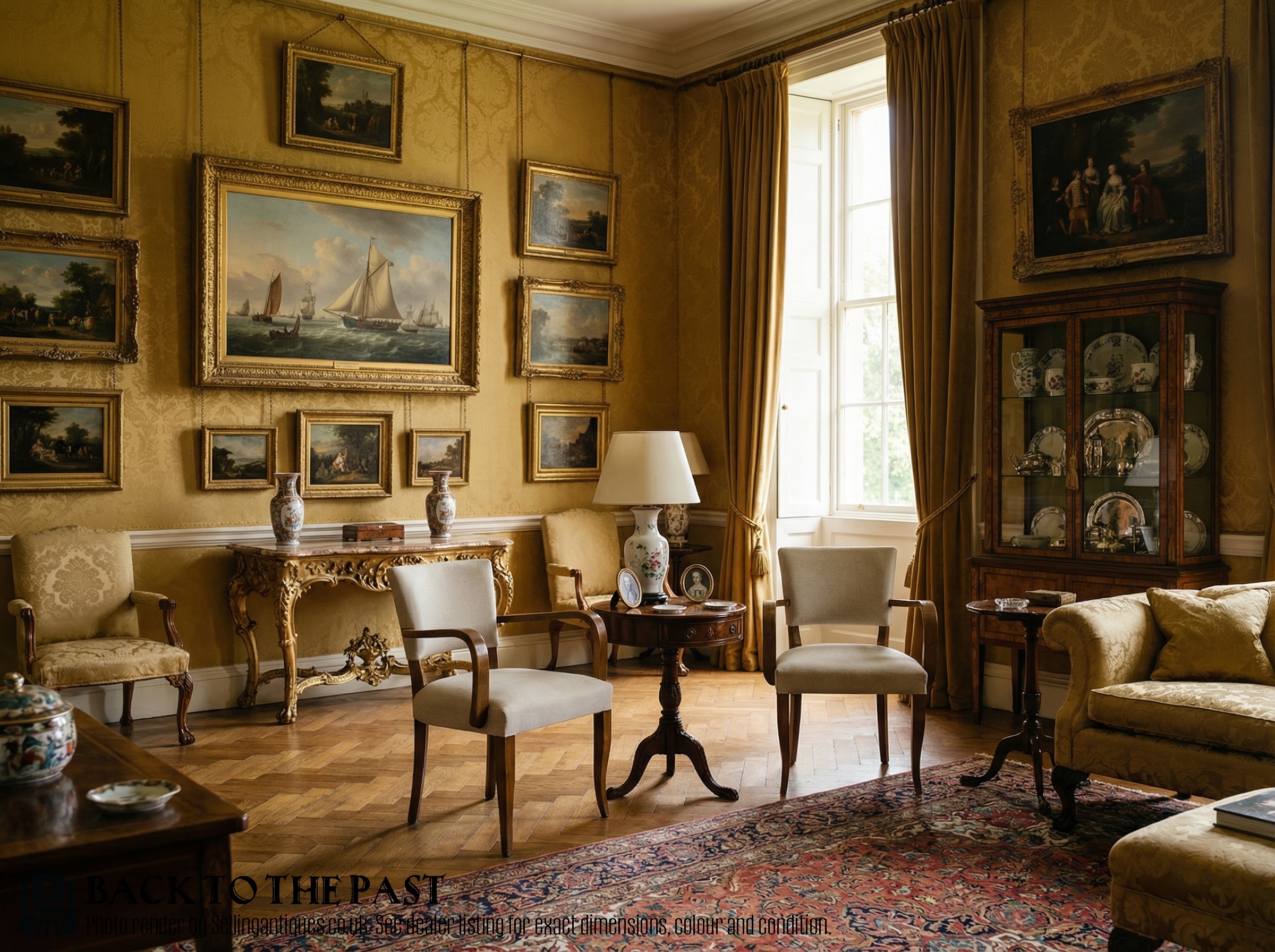
Beech Wood Armchairs
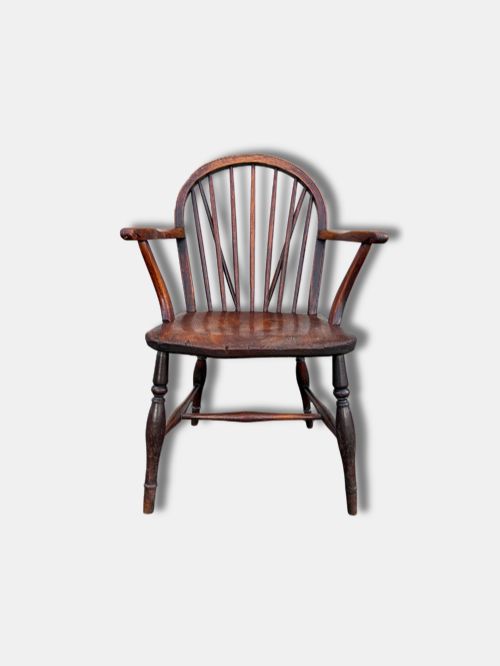
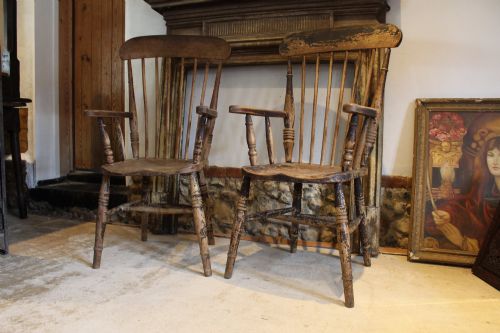
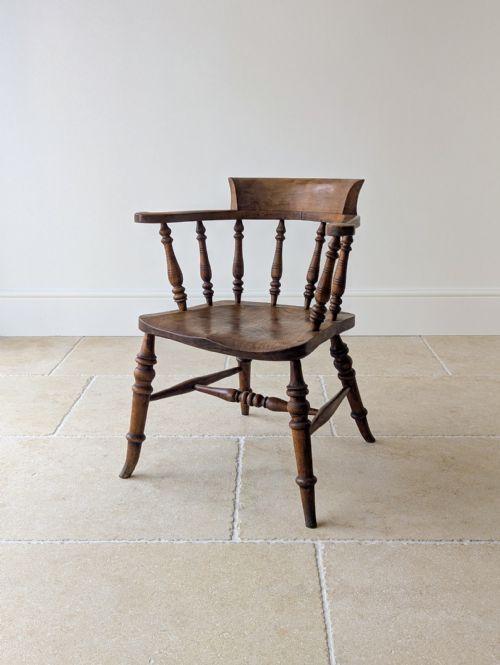
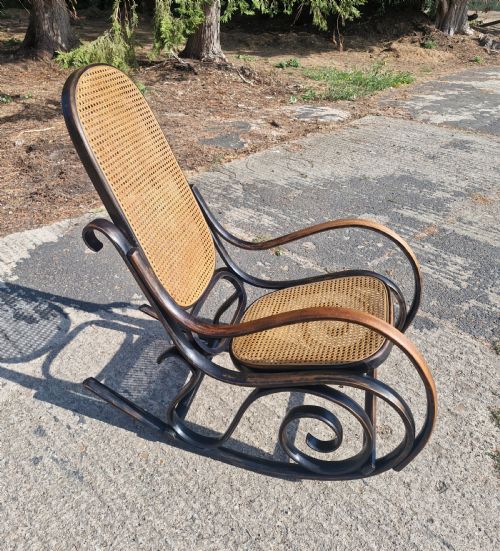
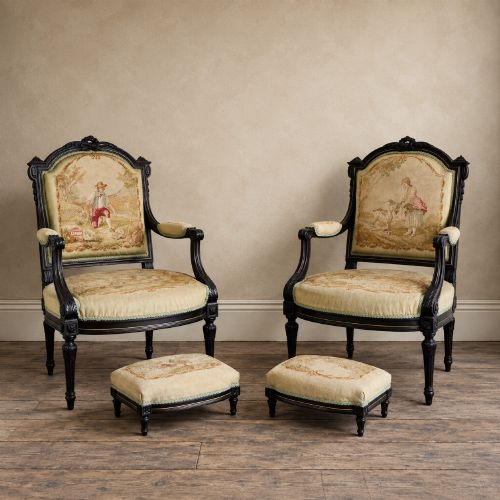
Beech wood armchairs encompass a wide variety of domestic seating, from sturdy country Windsors and smokers' bows to elegant continental bentwood rockers and revival salon pieces. When searching for beech wood armchairs, a buyer encounters everything from humble rush-seated fireside chairs to sophisticated dining carvers and specialist desk chairs.
The pieces appearing on this page date principally from the nineteenth and early twentieth centuries, including Victorian, Edwardian, and Arts and Crafts examples. Country iterations frequently pair beech with elm or ash, while urban and continental workshops utilise steam-bending and ebonising techniques.
Forms range widely in function, covering rocking chairs, library armchairs, folding steamers, and miniature decorative items alongside standard carvers. The selection balances robust everyday utility with distinct aesthetic movements such as the Sussex style and Vienna Secession.
How they were made
Makers relied on the inherent toughness and fine grain of beech to construct supportive frames, spindle backs, and steam-bent components that could withstand heavy daily use. Beech frequently paired with contrasting timbers like elm for seats or ash for stretchers, exploiting each wood's specific mechanical properties.
Construction methods varied by style, employing traditional mortise and tenon joinery for heavy country Windsor and wheelback armchairs, alongside industrial steam-retorting apparatus used by bentwood manufacturers to shape solid beech rods into sweeping curves.
Surface treatments ranged from clear polishing and dark staining to painted finishes, ebonising, and the application of rush, cane, leather, or sea grass for supportive seating bases.
Beech Wood Armchairs Retail Price Guide 2026
Typical asking prices for beech wood armchairs among the pieces listed under this phrase on Sellingantiques today, from the lower quarter to the upper quarter. They describe what is for sale here now, not the wider market.
Current listings feature nineteenth-century country armchairs alongside twentieth-century bentwood rockers, incorporating rush, cane, and leather seats.
What varies in quality
Quality in these chairs rests upon the integrity of the timber selection, the tightness of structural joints, and the retention of original surface treatments. Pieces retaining their early or original rush, cane, or grass webbing hold greater integrity than those with unsympathetic modern replacements.
The refinement of turning on spindles and legs distinguishes standard utilitarian production from workshop pieces designed for specific aesthetic movements. Maker attribution, visible in bentwood stamps or documented arts and crafts models, elevates the standing of an individual chair within its type.
Jacob and Josef Kohn·Thonet·Morris and Co·Watkins and Doncaster
The Beech Wood Armchairs Glossary
- Bentwood
- Wood shaped by exposure to steam, allowing manufacturers to create continuous curved components for chairs.
- Smoker's Bow
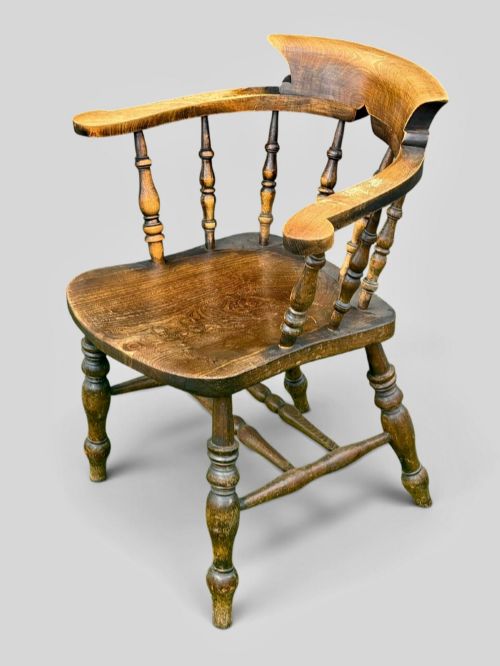
- A low-backed Windsor variant with a continuous curved armrail, popular in nineteenth-century smoking rooms and public houses.
- Rush Seat
- A traditional woven seat made from dried marsh rushes, providing a resilient and natural surface.
- Wheelback
- A Windsor chair variation featuring a pierced splat shaped like the hub and spokes of a wheel.
- Carver
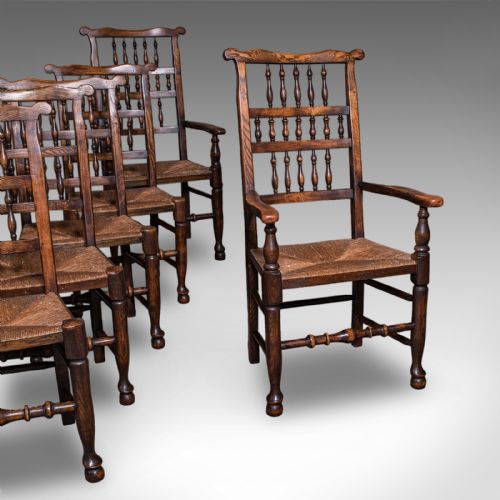
- An armchair designed to match a set of dining chairs, typically featuring open arms and a more substantial frame.
Beech Wood Armchairs: Frequently Asked Questions
How do I identify a Windsor chair?
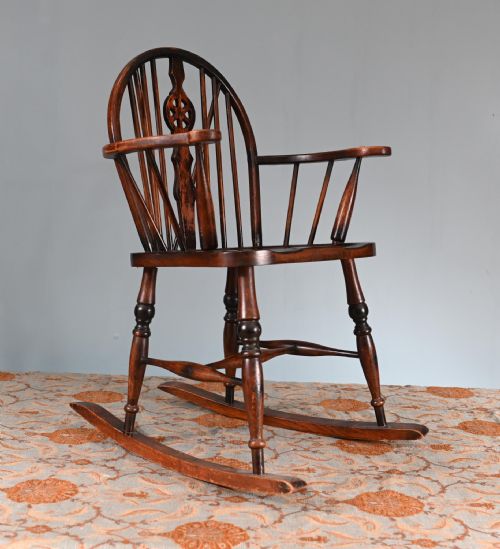
Windsor chairs feature distinct wooden seats into which the legs, back spindles, and arm supports are wedged directly rather than joined via a separate frame.
They often combine beech for the turned components with elm for the saddle seat to prevent splitting.
Were bentwood chairs used for dining?
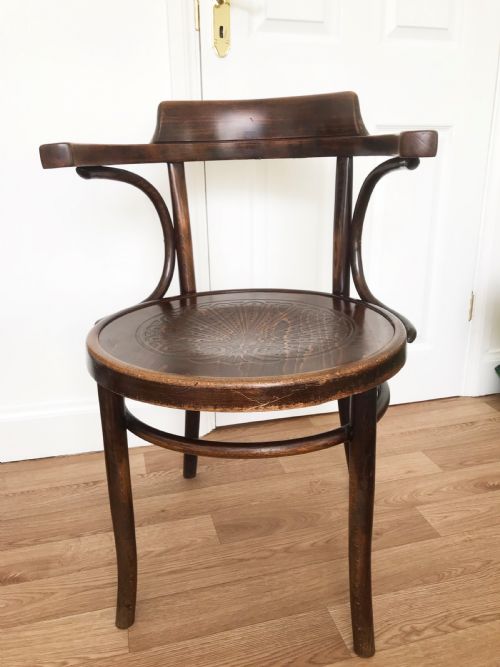
Bentwood chairs served primarily as bistro seating, desk chairs, and rocking chairs due to their lightweight construction and resilient curved frames.
Their open profiles made them popular in European cafes and informal domestic spaces.
How should I care for rush seats?
Rush seats require dry indoor conditions and occasional light cleaning to prevent the natural fibres from becoming brittle or damp.
Avoid placing them in direct sunlight or humid environments to preserve the integrity of the woven material.
What is a Sussex chair?
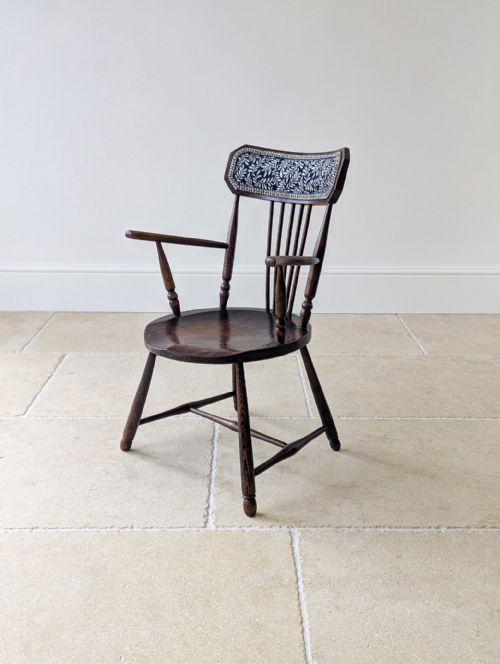
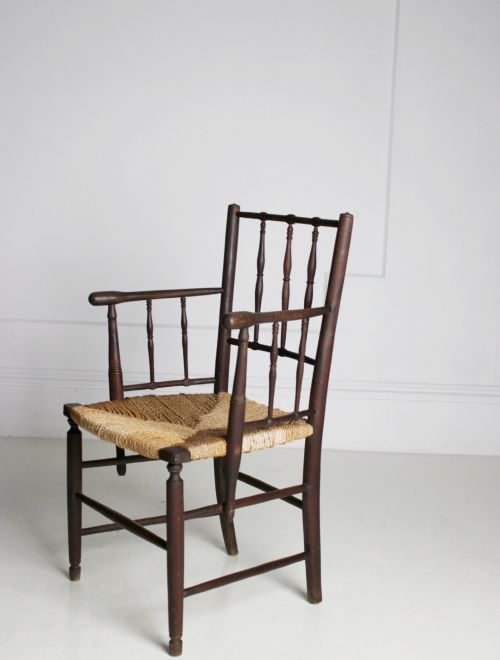
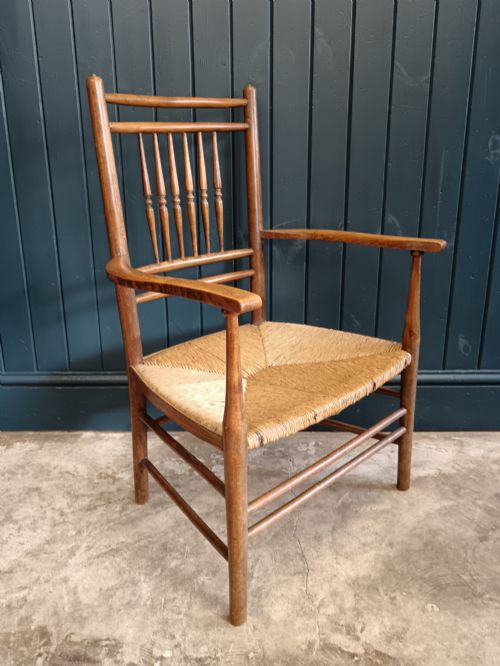
The Sussex chair is an Arts and Crafts design inspired by traditional Lancashire cottage seating, characterised by slender turned spindles and rush seats.
Introduced by manufacturing firms in the nineteenth century, these chairs prioritized functional simplicity and honest construction.