




Baroque Wood Panels
These baroque wood panels bring heavy timber carving, oil paintings on panel, and architectural reliefs directly into domestic interiors.
Baroque Wood Panels
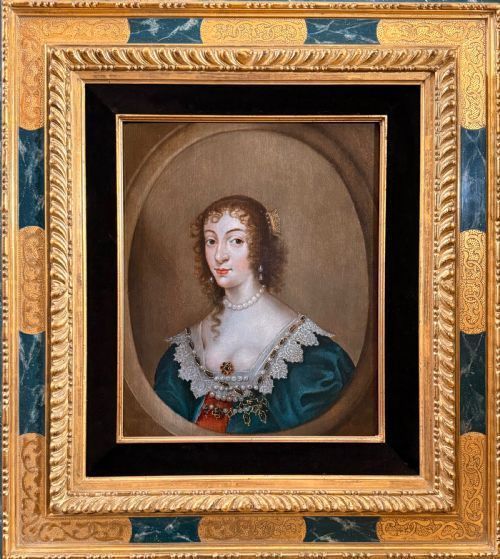
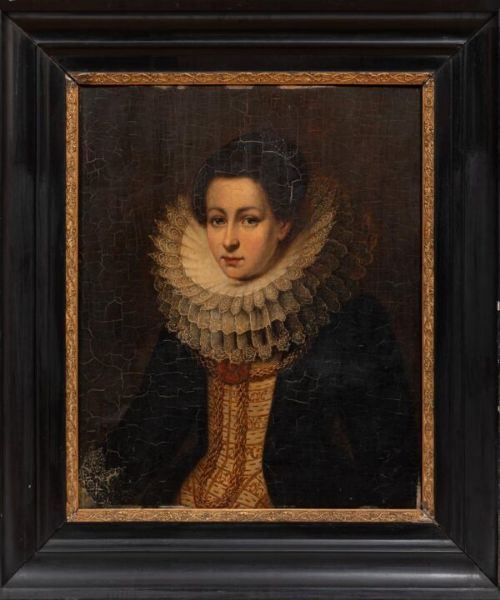
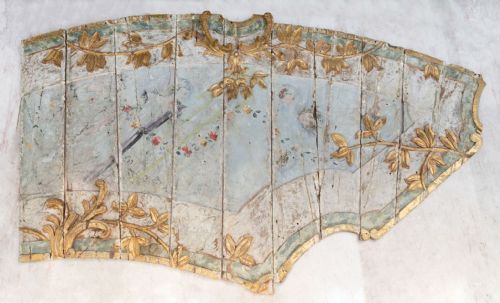
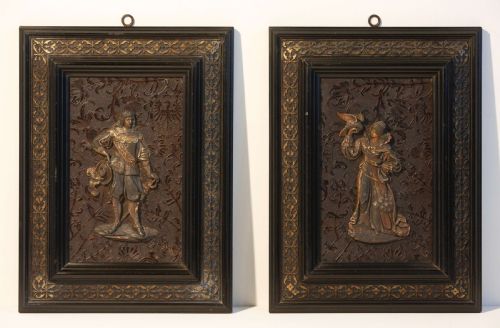
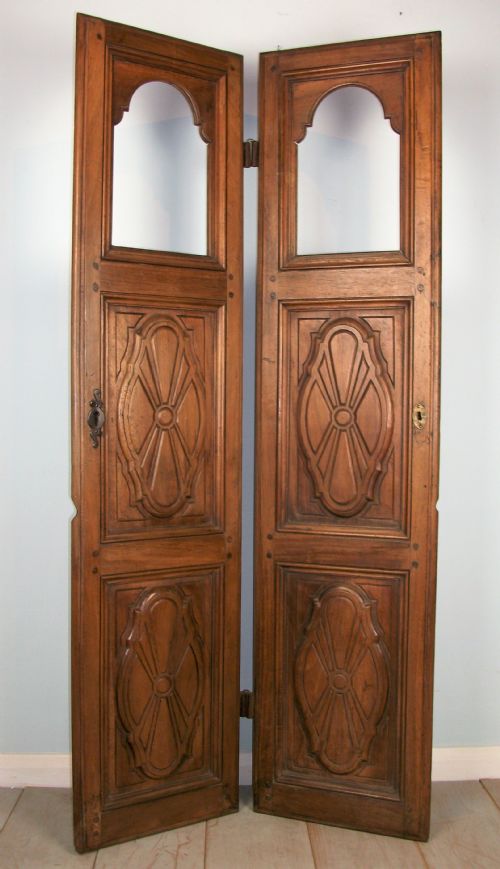
When you search for baroque wood panels, you encounter a mix of architectural salvage, wall reliefs, overdoor panels, and oil paintings executed on wooden substrates. The most frequently seen examples on this page are carved oak and walnut panels originating from seventeenth and eighteenth century workshops.
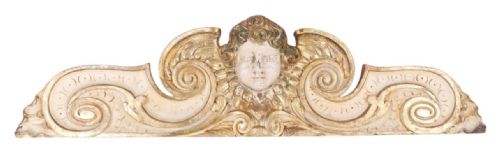
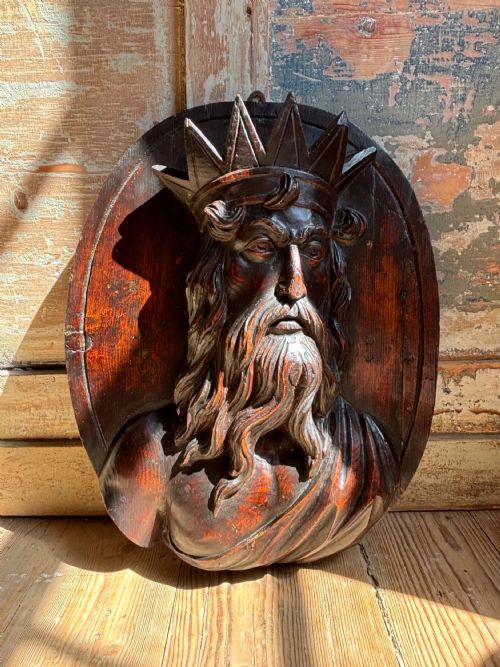
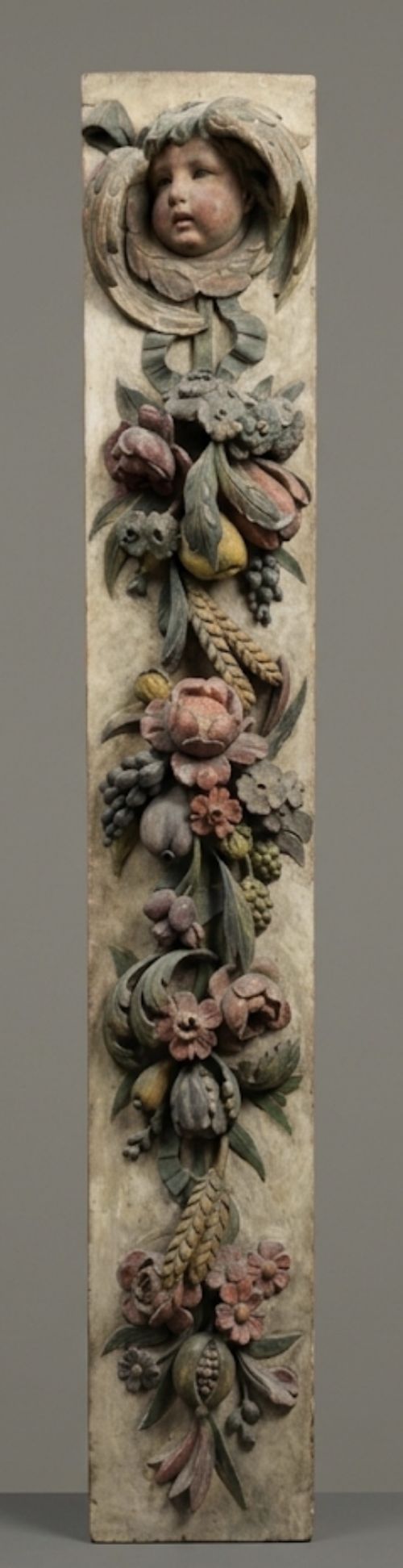
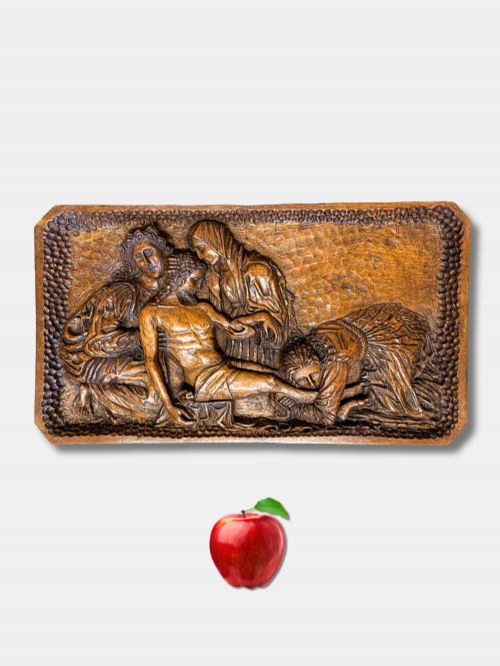
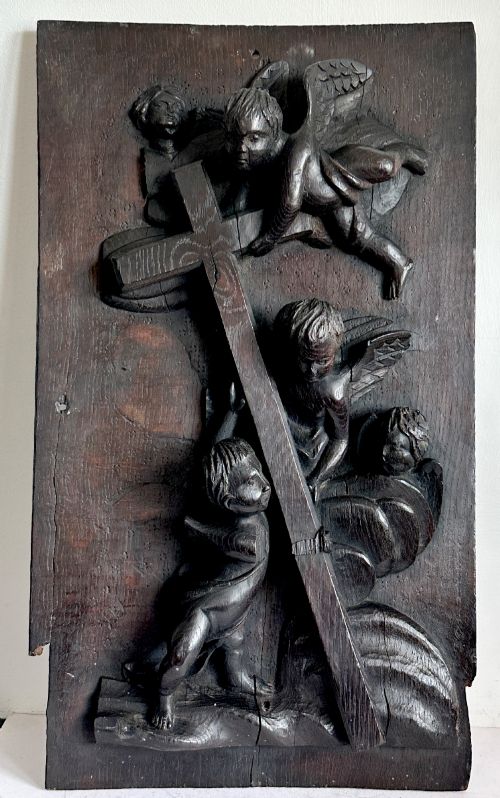
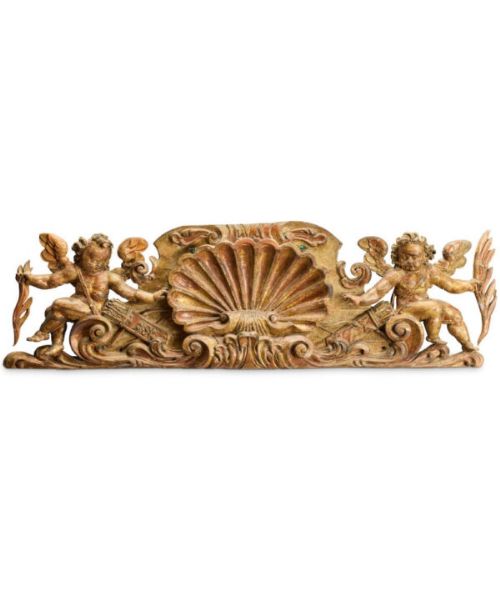
These items range from structural architectural fragments to decorative wall art, depicting allegorical subjects, religious scenes, cherubs, and classical figures like Neptune. Pieces span seventeenth century origins through nineteenth century revivals, drawing on Flemish, German, Italian, and Dutch traditions.
What varies in quality
The standard of a piece depends heavily on the depth of the hand-carving and the crispness of detail in elements like acanthus leaves, cherubs, and figurative expressions. Superior examples display confident undercutting and fluid movement in the wood, distinguishing them from simpler decorative items.
Preservation of the original surface, whether unpainted timber or parcel gilt and polychrome remnants, dictates the integrity of the object. Panels retaining their original structural joinery and untouched patination hold greater distinction than heavily restored alternatives.
Baroque Wood Panels Retail Price Guide 2026
Typical asking prices for baroque wood panels among the pieces listed under this phrase on Sellingantiques today, from the lower quarter to the upper quarter. They describe what is for sale here now, not the wider market.
Edward Pearce·Grinling Gibbons·Jan van Staveren·Jan Steen·Van Dyck
The Baroque Wood Panels Glossary
- Baroque
- An artistic style originating in the seventeenth century characterised by drama, deep relief, and exuberant ornamentation. It manifests in heavy scrollwork, acanthus leaves, and dynamic figurative carvings.
- Overdoor
- A decorative carved panel or architectural fragment positioned directly above a doorway. These often feature prominent cherubs, coats of arms, or allegorical figures.
- Parcel Gilt
- A surface treatment where portions of a wooden carving are highlighted with thin layers of gold leaf. This technique accentuates specific details against a darker wood or painted ground.
- Panel Painting
- An artwork executed on a rigid wooden support rather than canvas. Fruitwood and oak were common substrates for seventeenth century old master compositions.
- Architectural Salvage
- Building elements rescued from historic structures, including pediments, panelled doors, and staircase components. These pieces retain their original function as part of a larger interior scheme.
Baroque Wood Panels: Frequently Asked Questions
How do I hang a heavy wooden panel?
Heavy carved wood panels require secure wall fixings anchored directly into masonry or wall studs to support their substantial timber weight.
Professional mirror plates or hidden french cleats provide the best stability for mounting large architectural fragments safely.
Can I clean carved wood panels safely?
Dust accumulated in deep crevices can be gently removed using a soft-bristled brush without damaging the historic surface.
Avoid using water, liquid polishes, or chemical cleaners on antique timber, as moisture degrades aged wood and fragile polychrome finishes.
How do I identify seventeenth century oak?
Seventeenth century oak displays characteristic medullary rays, often called silver grain, visible across the quarter-sawn surface of the timber.
Hand-tool marks, pegged joinery, and deep oxidation further distinguish genuine period panels from later revival pieces.
Where were these architectural panels originally placed?
These decorative elements originated as wall panelling, overdoors, mantelpieces, and staircase components within European civic buildings and grand residences.
They served to display status and piety through intricate allegorical and religious iconography carved into the woodwork.