




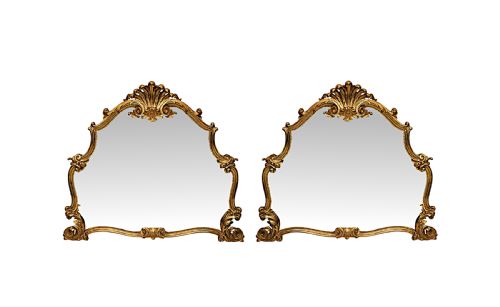
Baroque Wood Frame
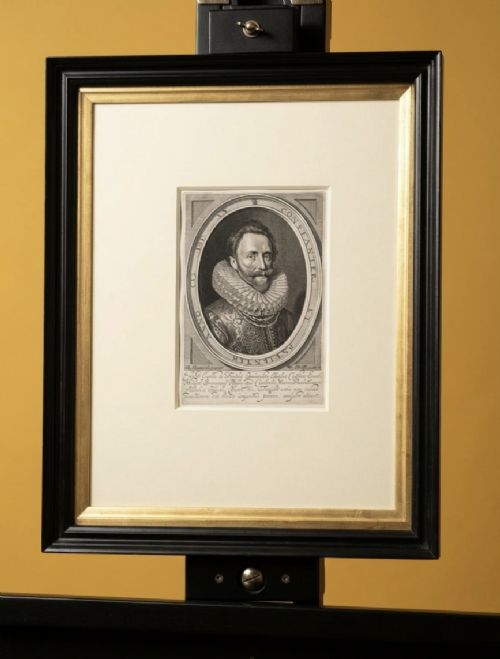
When you search for a baroque wood frame, you encounter ornate historical surrounds and mirrors built to command attention in a room.
Baroque Wood Frame
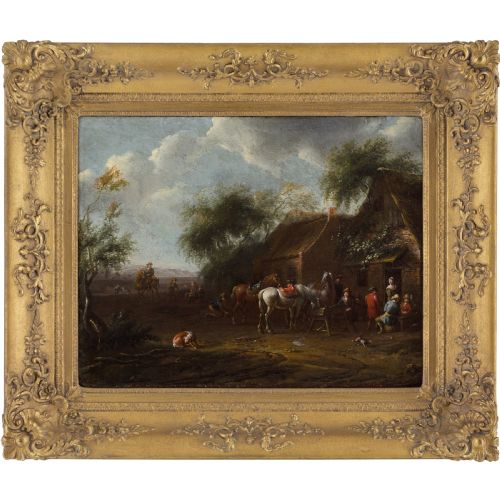
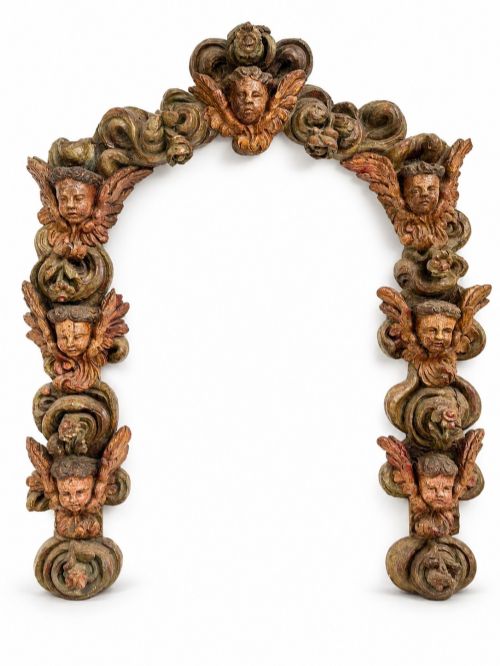
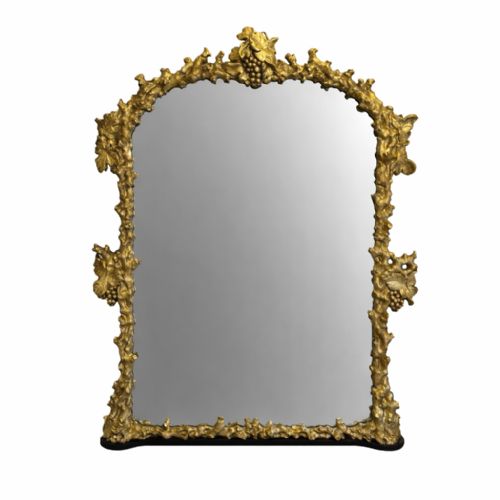
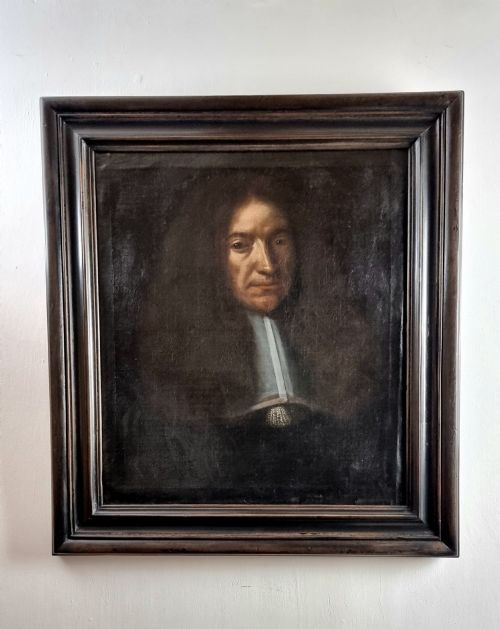
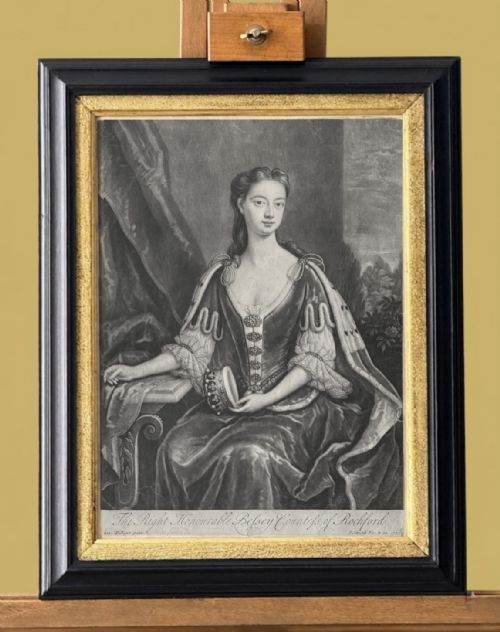
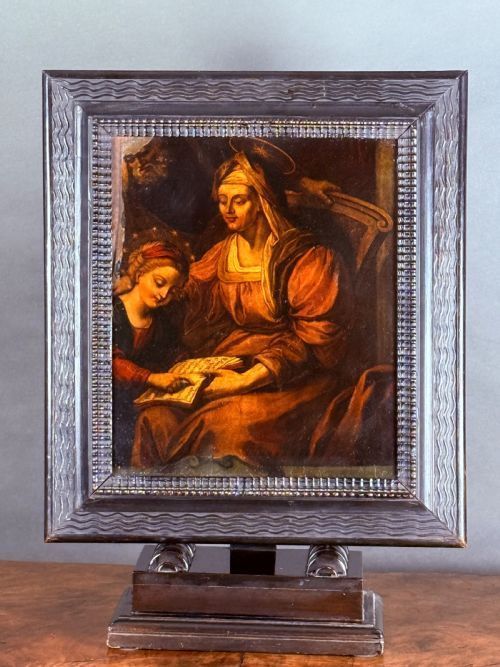
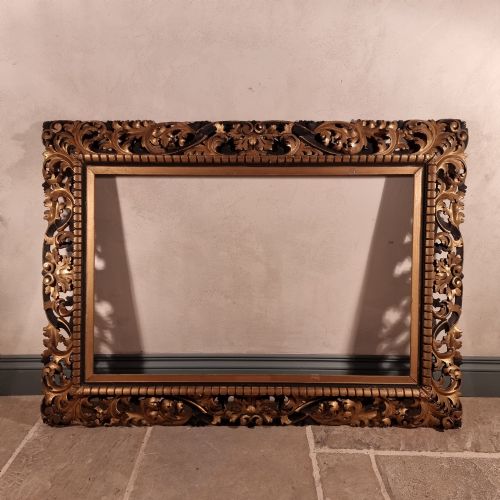
A baroque wood frame provides heavy visual weight and theatrical presence, originating primarily from seventeenth-century European traditions and later nineteenth-century revivals. Buyers looking for a baroque wood frame will find substantial carved wooden surrounds, giltwood wall mirrors, and oil paintings housed in elaborate Italian Florentine or Dutch styles.
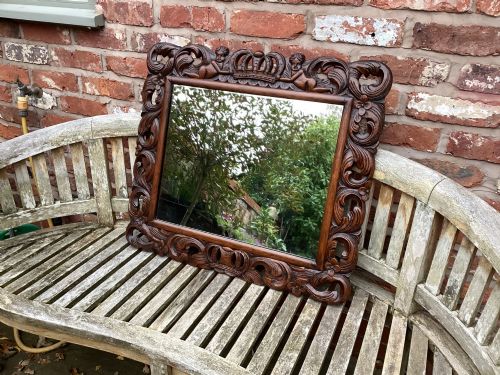
The objects span actual seventeenth-century examples alongside nineteenth-century interpretations that replicate the deep mouldings and elaborate decoration of earlier epochs. Wall mirrors and picture frames dominate the selections, often featuring carved leaf motifs, scrolls, and cushion profiles designed to hold significant artworks or reflect light across domestic interiors.
Materials and construction
Carpenters typically shaped these pieces from solid timber bases, applying gesso to build up high-relief scrollwork, acanthus leaves, and figural details before finishing the surface. Gilders then laid gold leaf over the prepared gesso layers, burnishing sections to create contrast against matte recessed areas.
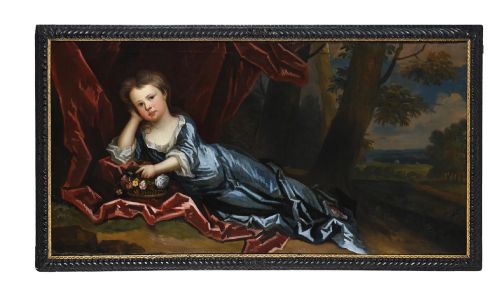
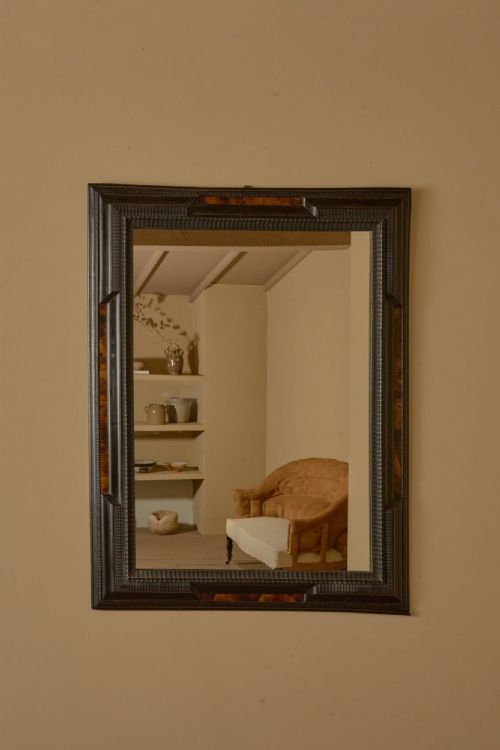
Alternative finishes include ebonised wood combined with faux tortoiseshell or bone inlay, particularly seen in Dutch workshops. Glass panels for mirrors were silvered and fitted into deep rebate joints behind protective wooden backs.
Baroque Wood Frame Retail Price Guide 2026
Typical asking prices for baroque wood frame among the pieces listed under this phrase on Sellingantiques today, from the lower quarter to the upper quarter. They describe what is for sale here now, not the wider market.
Listings feature items spanning the seventeenth, eighteenth, and nineteenth centuries, alongside twentieth-century revival interpretations.
Assessing quality
Depth and crispness of the wood carving separate superior examples from routine commercial output, as skilled carvers undercut the foliage to create genuine three-dimensional relief rather than shallow surface stamping. The application of gold leaf and the subtlety of the underlying gesso preparation dictate how light interacts with the moulded contours over centuries.
Proportion and structural integrity also matter greatly, with the best pieces maintaining harmonious architectural balance despite their exuberant ornamentation. Original surfaces that retain their historical patina without excessive over-gilding hold higher regard among serious collectors.
The Baroque Wood Frame Glossary
- Giltwood
- Wood that has been coated with thin sheets of gold leaf over a prepared chalk and glue ground. This technique creates a luminous, metallic surface characteristic of high-status frames and mirrors.
- Gesso
- A plaster-like mixture applied to wooden frames to provide a smooth, flexible base for carving intricate details and adhering gold leaf. It allows artisans to achieve sharp relief before gilding.
- Florentine
- A distinct regional style originating in Florence, known for pierced carvings, elaborate leaf scrolls, and rich surface gilding. These frames often function as independent works of art surrounding mirrors or paintings.
- Cushion mirror
- A looking-glass frame with a broad, convex profile that slopes outward or inward from the central glass. This swelling shape catches light from multiple angles and defines seventeenth-century domestic design.
Baroque Wood Frame: Frequently Asked Questions
How do I date a baroque wood frame?
Dating relies on examining the timber species, the composition of the gesso ground, and the tools marks left by the carver. Seventeenth-century originals show hand-cut joinery and aged patina, whereas nineteenth-century revival pieces often display machine-sawn timber and harder plaster grounds.
Stylistic shifts also provide clues, as revival pieces from the eighteen-eighties and nineties sometimes exaggerate the proportions or symmetry of earlier seventeenth and eighteenth-century models.
Where should I hang a heavy wooden mirror?
These substantial objects require secure fixing directly into masonry walls or heavy timber studs using appropriate wall anchors and steel brackets. Because carved wood and mirror glass create considerable weight, standard picture hooks are insufficient for safe installation.
Position the piece at eye level where it can reflect natural light from windows, enhancing the brightness of smaller reception rooms or hallways.
Can these frames hold modern artwork or mirrors?
Many frames house antique oil paintings or historical mirror glass, but standard rebates can accommodate contemporary canvases or replacement mirror plates if dimensions align correctly. Care must be taken not to alter the original wooden rabbet depth or damage historical gilt surfaces during reframing.
Consulting a professional restorer ensures that any new glass or canvas fits securely without putting undue pressure on brittle gesso mouldings.
What is the difference between original and revival frames?
Original seventeenth and eighteenth-century frames exhibit the natural wear, shrinkage cracks, and material ageing consistent with active use over three hundred years. Revival pieces made during the nineteenth century imitate these historic forms using period-appropriate techniques, yet generally show cleaner joinery and less oxidation beneath the gilding.
Both categories hold distinct historical value, with original period pieces commanding greater interest from institutional buyers and specialised collectors.