


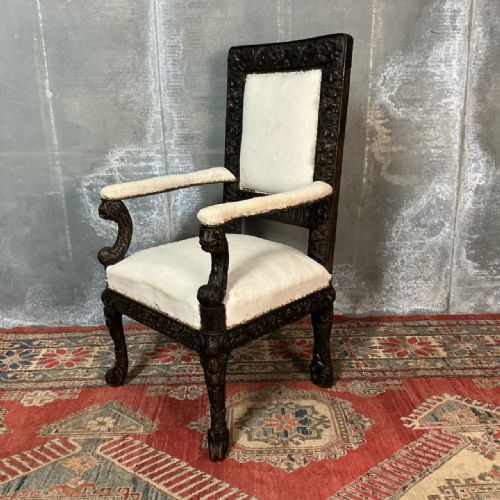
Baroque Style Carving
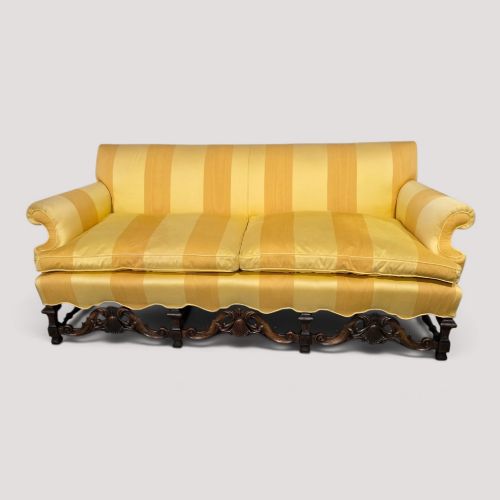
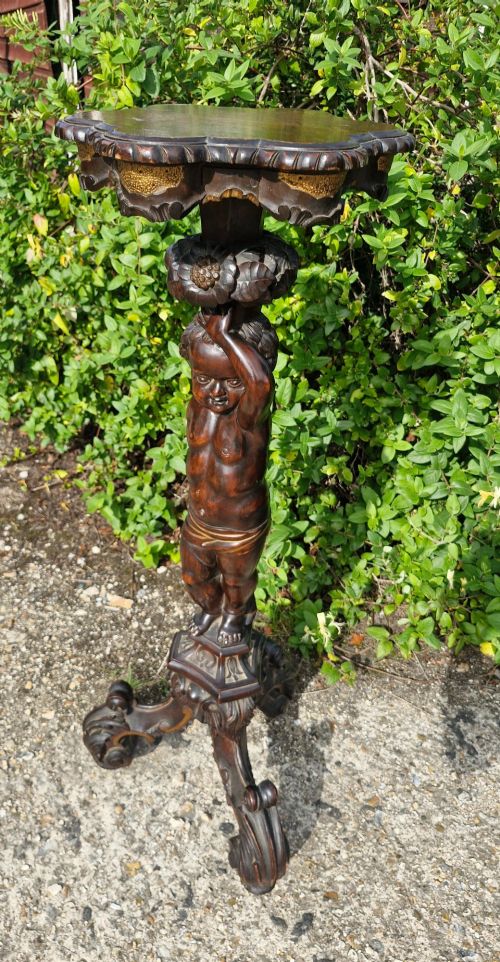
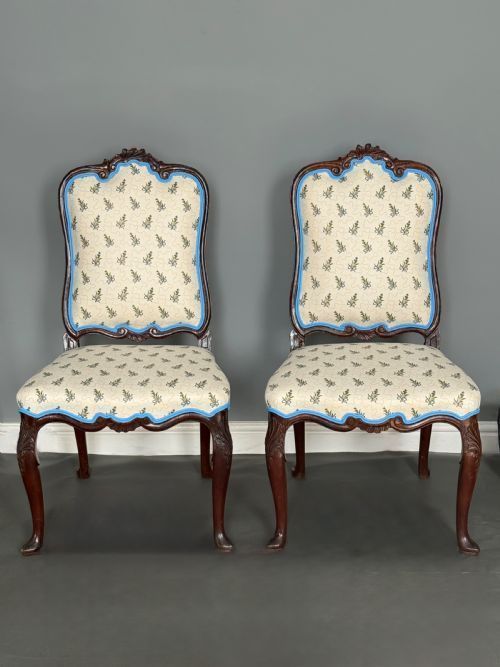
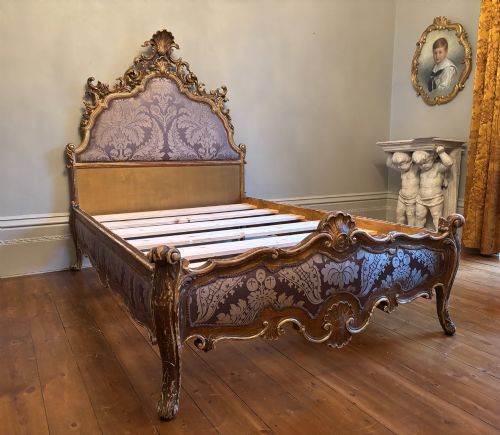
Baroque style carving brings theatrical weight and intricate depth to interiors through ornate wooden frames, mirrors, and seating.
Baroque Style Carving
Baroque style carving encompasses elaborate woodwork found across wall mirrors, armchairs, and tables, drawing primarily from seventeenth and nineteenth-century craftsmanship.
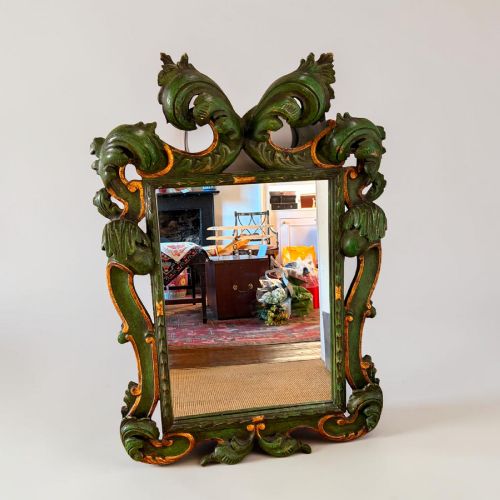
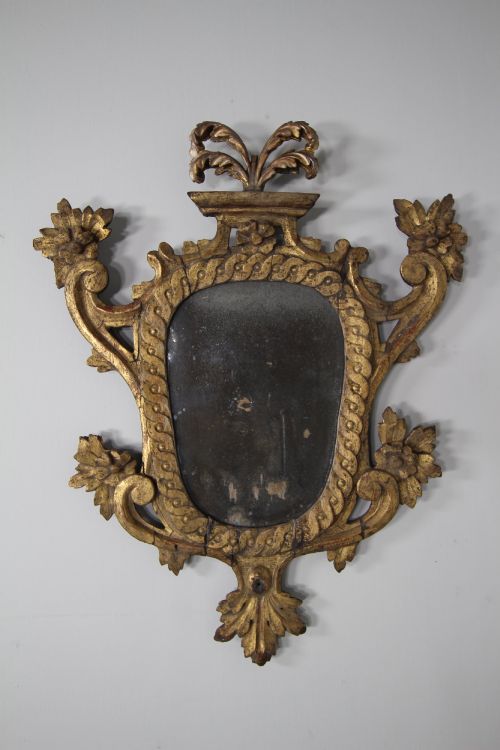
The pieces on this page lean heavily toward Italian and Florentine interpretations, featuring rich walnut frames, giltwood finishes, and substantial seating forms.
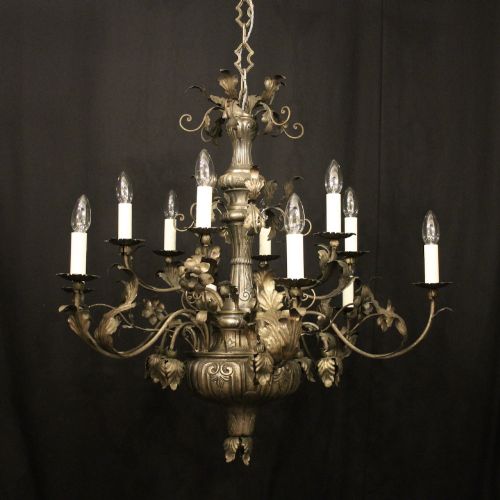
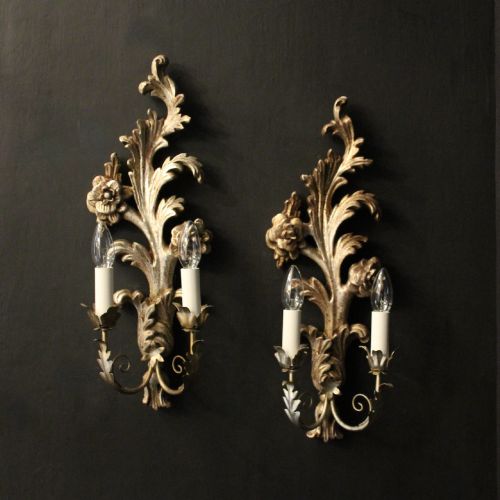
Buyers encounter everything from candle-lit chandeliers and carved cherub wall brackets to stately high-back cane dining chairs and giltwood overmantel mirrors.
Materials and Construction
Makers utilised dense timbers such as walnut, oak, and mahogany as the structural foundation for deep, sculptural relief work.
Giltwood and gesso layers were frequently applied to carved wooden bases, creating reflective metallic surfaces finished with gold or silver leaf.
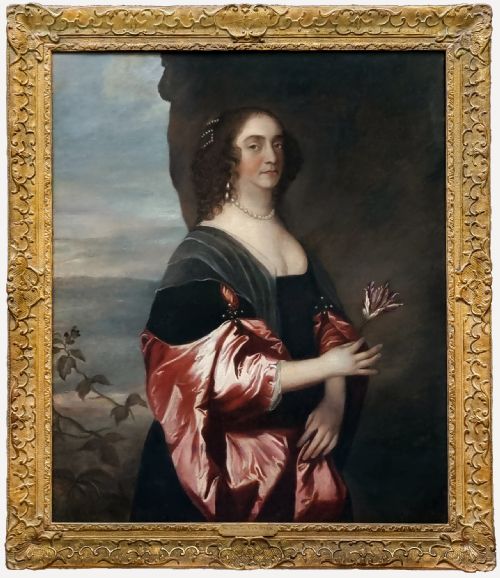
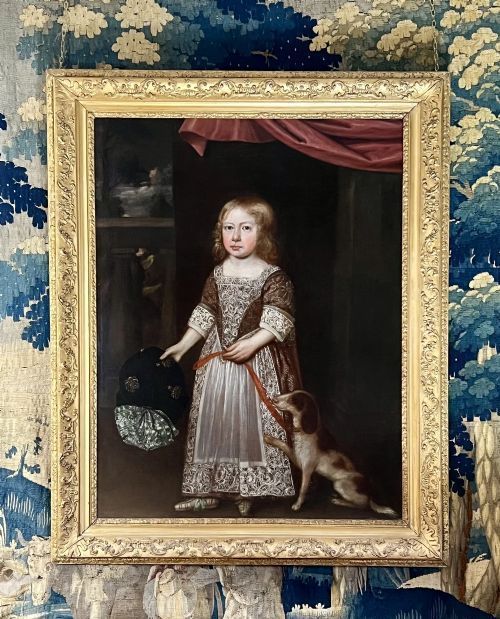
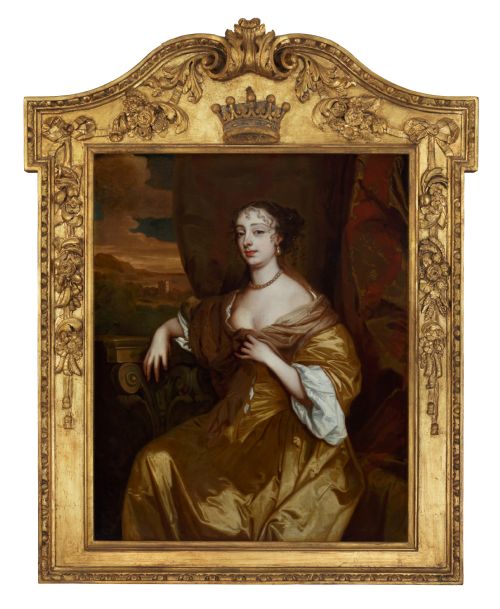
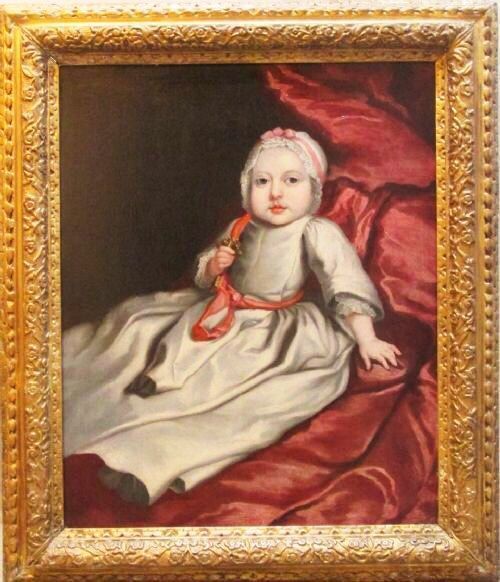
Listings feature seventeenth-century portraits alongside nineteenth-century revival giltwood mirrors, walnut armchairs, and carved oak furniture.
Assessing Quality and Execution
The distinction between ordinary items and superior pieces rests upon the crispness, depth, and anatomical precision of the carved ornamentation.
Gilt surfaces demonstrate quality through the hand-applied texture of the underlying gesso and the warmth of the metallic leaf rather than flat, modern paints.
Sir Peter Lely·Mary Beale·Sir Anthony van Dyck·Amleto Bertoni·Andrea Brustolon
The Baroque Style Carving Glossary
- Giltwood
- Wood that has been coated with gold leaf or powder over a prepared gesso ground. This technique provides the signature luminous surface seen on antique mirrors and frames.
- Gesso
- A plaster-like mixture applied to wood surfaces to create a smooth base for gilding or painting. It allows carvers to achieve sharp, detailed relief before applying gold leaf.
- Florentine
- A regional style originating from Florence characterised by ornate, scrolling leaf motifs and rich silver or gold gilding. These pieces often take the form of heavy picture frames and wall mirrors.
- Cane
- Woven rattan or split reed used to form breathable panels for chair backs and seats. It appears frequently on walnut dining and hall chairs from the period.
Baroque Style Carving: Frequently Asked Questions
How do I identify true giltwood?
True giltwood reveals the reddish clay bole beneath worn areas of gold leaf where the underlying wood or gesso shows through.
Modern metallic paints lack this layered depth and uniform warmth.
Where should I place these mirrors?
Large giltwood and Florentine mirrors suit prominent mantelpieces or central hallway walls where they can reflect natural light.
Their heavy carved frames act as architectural focal points within a room.
Are walnut chairs structurally sturdy?
Walnut provides a dense, durable framework that supports intricate carvings without losing structural integrity over centuries of use.
Period armchairs and dining seats remain robust when joints stay properly maintained.
What defines the Florentine look?
The Florentine aesthetic relies on densely carved foliage, scrolls, and silver or gold gilt finishes applied to wooden supports.
Mirrors and picture frames from this tradition display exceptional three-dimensional depth.