







Baroque Style Cabinet
A baroque style cabinet brings dramatic presence to a room, offering rich wood figures and bold architectural forms.
Baroque Style Cabinet
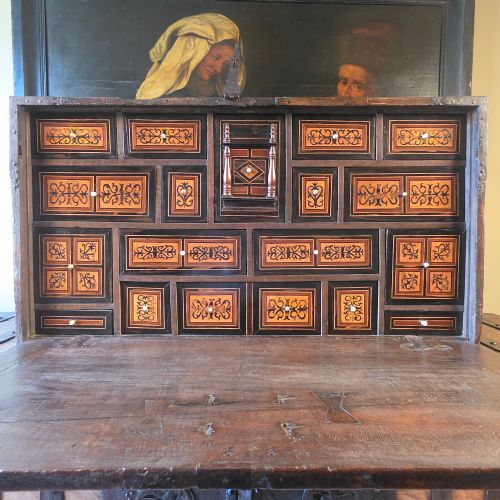
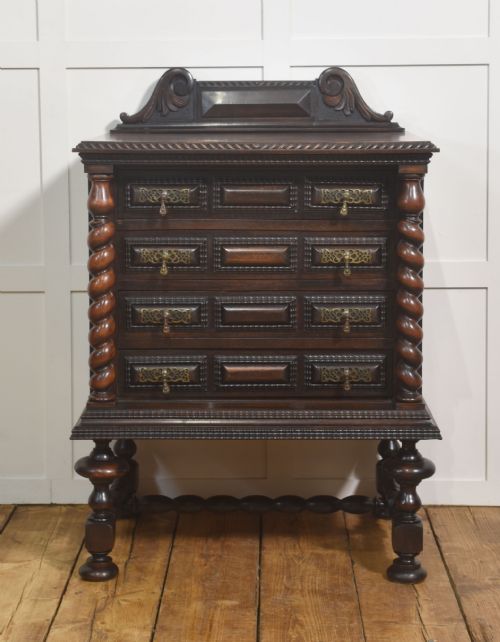
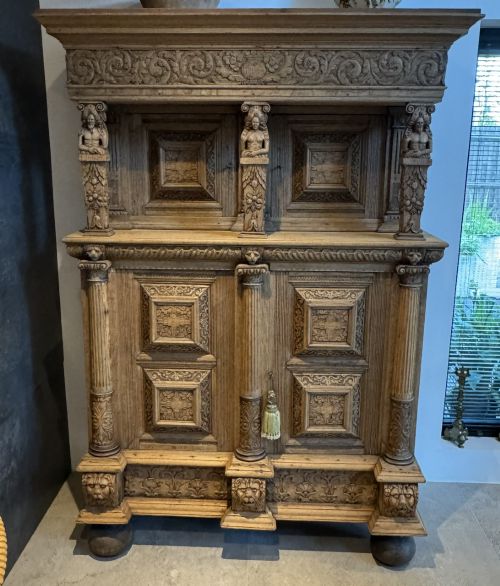
A baroque style cabinet is a substantial storage piece defined by theatrical forms, often taking the shape of display cabinets, chests on stands, or sideboards. These works draw from 17th century and 18th century European traditions, including Dutch, Flemish, French, and Italian regional designs.
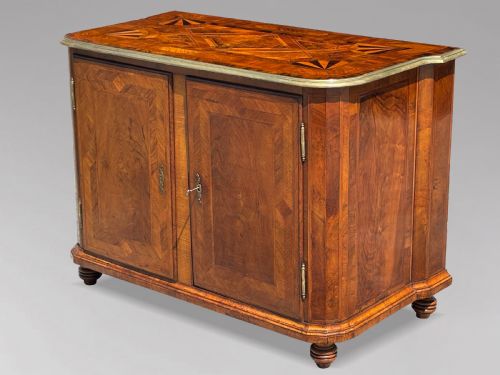
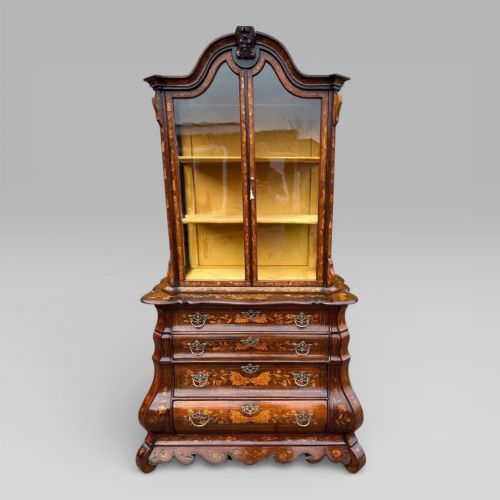
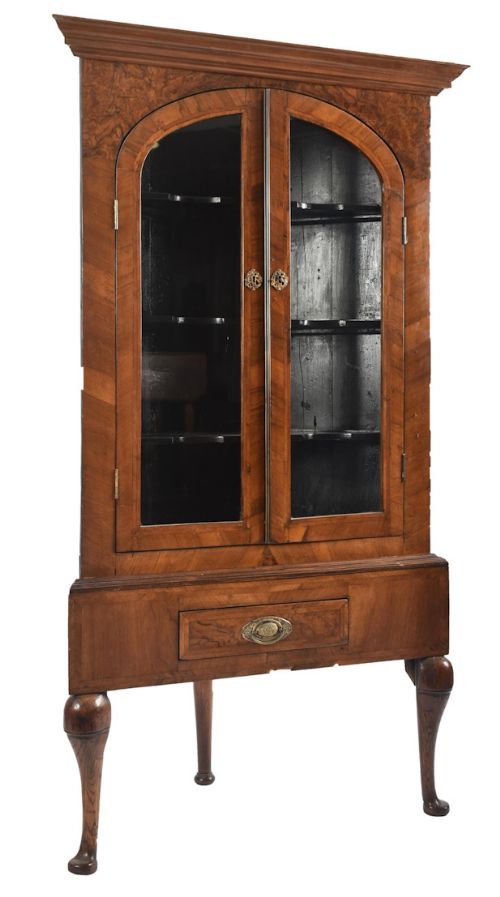
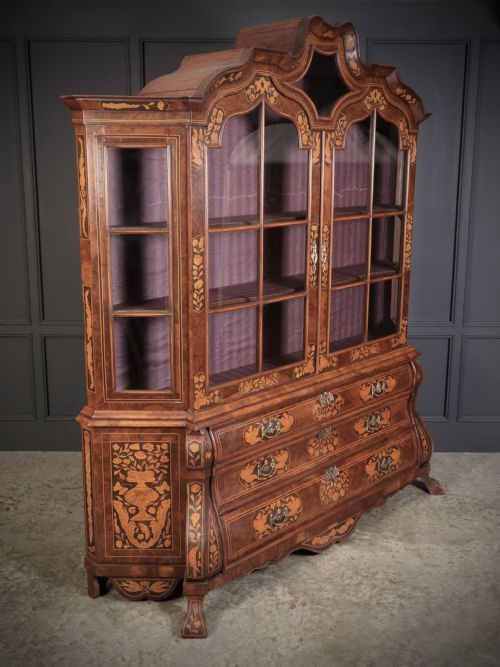
Buyers frequently encounter walnut and oak examples, alongside pieces decorated with elaborate marquetry or ebonised wood. Forms range from glazed corner cupboards and bureau desks to monumental armoires and bombe shaped cabinets.
Many items date to the 19th century revival periods, channelling earlier craftsmanship through Victorian interpretations and Napoleon III aesthetics. Each variation displays distinct regional tastes, from Portuguese colonial influences to Maltese walnut construction.
Materials and construction
Cabinet makers utilised dense hardwoods like walnut, oak, and fruitwood as structural foundations, often applying intricate marquetry veneers across the exterior surfaces. Brass and iron hardware provided functional hinges and structural mounts.
Glass panels were incorporated into doors for display cabinets and corner cupboards, allowing light to enter the interior compartments. Ebonised wood details frequently contrasted against lighter walnut grains to create depth and visual weight.
Baroque Style Cabinet Retail Price Guide 2026
Typical asking prices for baroque style cabinet among the pieces listed under this phrase on Sellingantiques today, from the lower quarter to the upper quarter. They describe what is for sale here now, not the wider market.
The listings on this site feature walnut and oak as the primary woods, spanning periods from the 17th century to the 20th century.
Assessing quality
Quality rests upon the precision of the marquetry inlay and the depth of the carved architectural mouldings. Superior examples demonstrate careful timber selection, where wood figures align harmoniously across drawer fronts and doors.
The integration of brass fittings and the stability of large forms, such as bombé shapes and cabinets on stands, dictate the standard of execution. Original glass and well-preserved internal shelving further distinguish finer specimens from standard utility furniture.
Edwards & Roberts
The Baroque Style Cabinet Glossary
- Marquetry
- Decorative veneer work arranged in pictorial or geometric patterns using various coloured woods. This technique requires exceptional precision from the maker.
- Bombe
- A swelling, outward-curving contour found on the sides and fronts of chests and cabinets. It originated in continental European furniture design.
- Ebonised
- Wood treated with a dark finish to imitate ebony. This process was commonly utilised for accent details.
- Mazarin commode
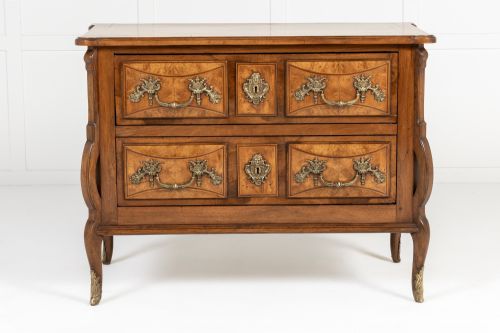
- A low cabinet or desk featuring a central recessed cupboard flanked by banks of drawers. It represents a sophisticated form of case furniture.
- Cabinet on stand
- A primary storage section elevated on a separate supporting framework with legs. This configuration lightens the visual mass of heavy timbers.
Baroque Style Cabinet: Frequently Asked Questions
What is a baroque style cabinet?
A baroque style cabinet is a large storage or display piece characterised by ornate details, rich wood veneers, and strong architectural lines. These items reflect European craftsmanship primarily from the seventeenth and eighteenth centuries.
They serve as focal points in a room while providing functional storage behind heavy doors or within numerous drawers.
How do I identify a 17th century cabinet?
Seventeenth century pieces typically feature solid construction in oak or walnut, relying on deep carving, paneling, and simple iron or brass hardware rather than elaborate veneers. Their proportions tend to be robust and straightforward.
Later revival pieces from the nineteenth century often incorporate more complex marquetry and lighter internal framing.
Where should I place a large cabinet?
These substantial pieces require adequate wall space and a room with sufficient ceiling height to balance their visual weight. Placing them away from direct sunlight protects vulnerable walnut and fruitwood surfaces from fading.
Pairing them with simple surrounding decor allows the intricate marquetry and carved details to stand out.
What is Dutch marquetry?
Dutch marquetry involves intricate floral or pictorial inlay work using various tinted woods, fruitwoods, and sometimes bone or ivory. This technique creates high-contrast decorative surfaces across cabinet doors and desk slants.
It is a defining characteristic of many eighteenth-century and revival continental case pieces.