




Baroque Landscape Art
Baroque landscape art captures theatrical natural scenes and classical vistas created during the seventeenth and eighteenth centuries in oil and tapestry.
Baroque Landscape Art
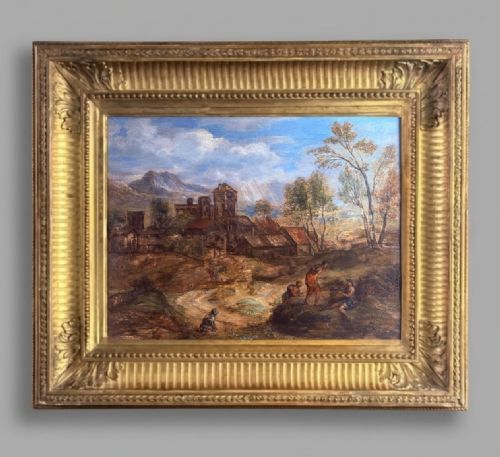
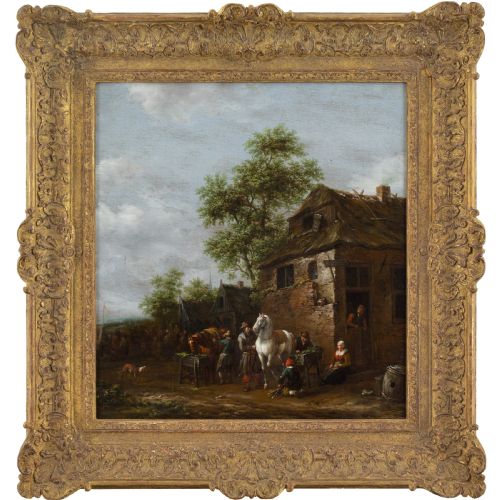
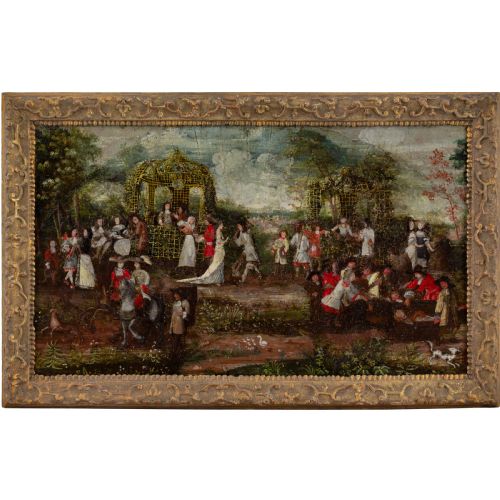
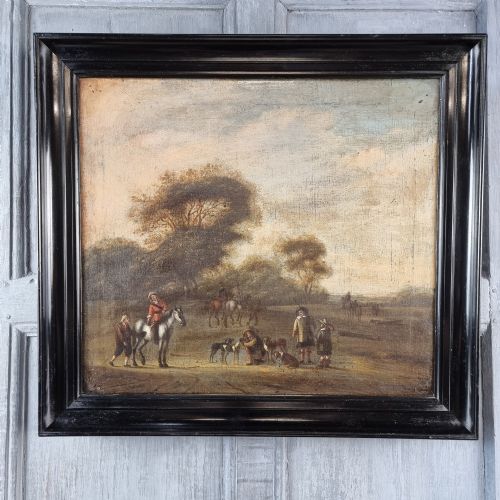
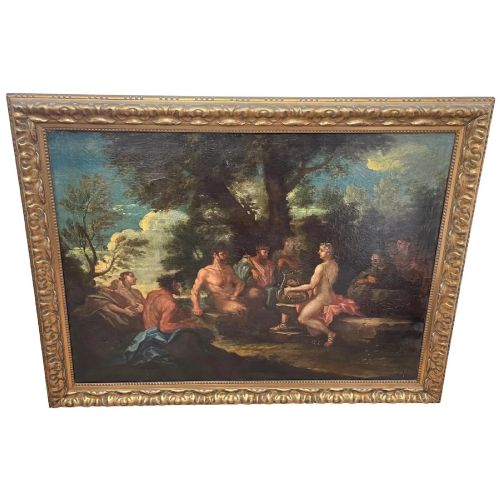
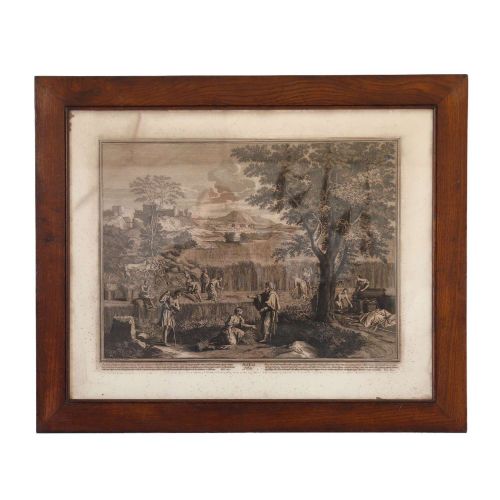
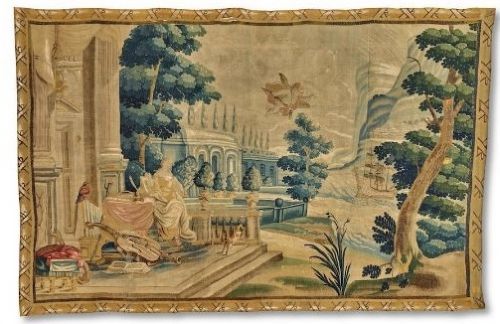
Baroque landscape art encompasses grand oil paintings and woven wall tapestries produced across seventeenth-century and eighteenth-century Europe. These works present dramatic natural views, mythological encounters, and rustic rural scenes framed by classical ruins and dense foliage.
Buyers meet works attributed to regional European schools including Dutch, Flemish, Italian, and French traditions. The selections combine canvas oils, oak panels, and large wool or silk verdure weaves housed within period giltwood frames.
Materials and methods
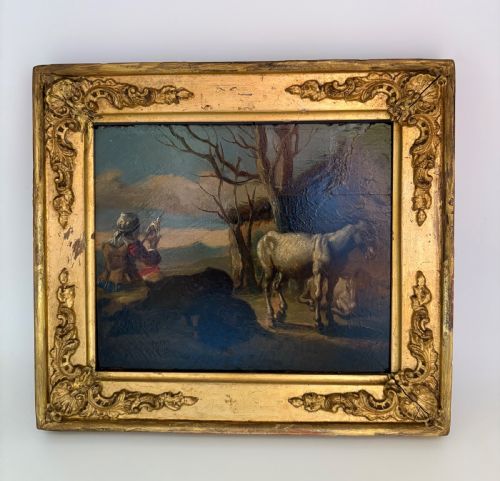
Painters utilised oil on canvas, wood panels, and copper supports, building depth through layered glazes of oil paint. Pigments describe pastoral skies, wooded vales, and architectural fragments set within expansive horizons.
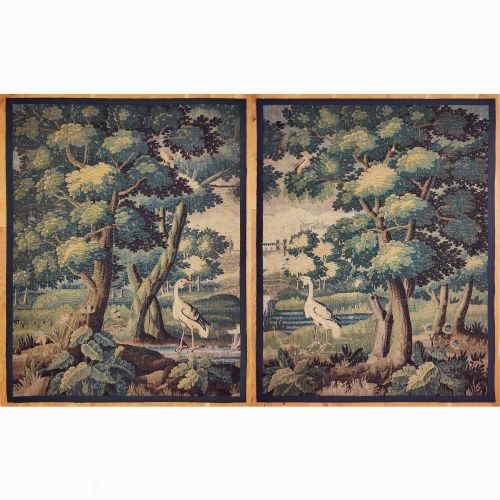
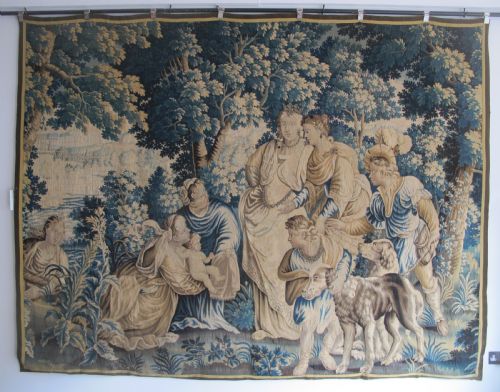
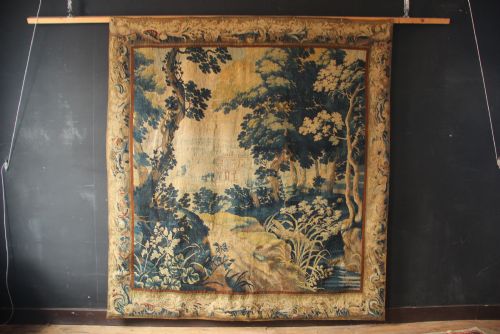
Weavers constructed large verdure tapestries from dyed wool and silk threads to depict thick foliage, hunting parties, and formal gardens. Finished textiles and canvases often retain original carved giltwood frames.
Baroque Landscape Art Retail Price Guide 2026
Typical asking prices for baroque landscape art among the pieces listed under this phrase on Sellingantiques today, from the lower quarter to the upper quarter. They describe what is for sale here now, not the wider market.
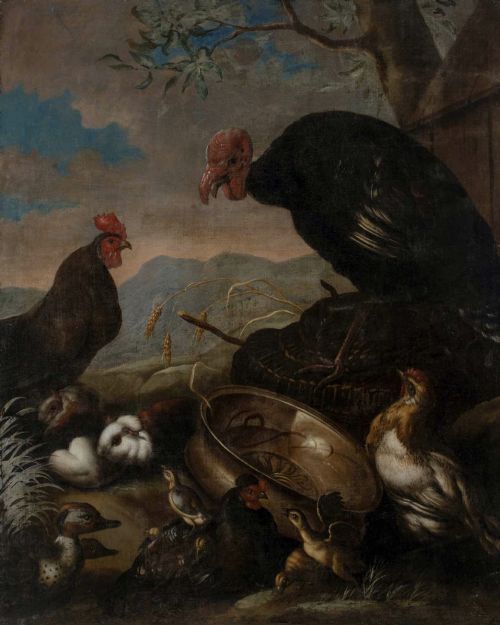
Several panels preserve mischievous monkeys and exotic fowl hiding quietly within dense seventeenth-century forest foliage.
Judging quality
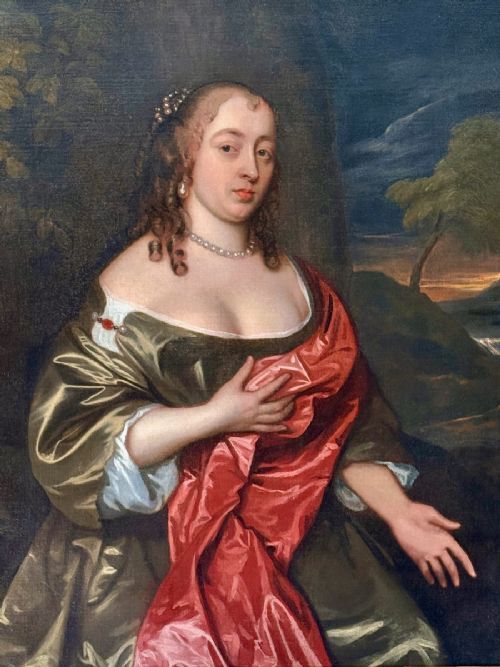
Quality rests upon the handling of light, atmospheric perspective, and the liveliness of figures within the composition. Masterful brushwork or dense tapestry weaving creates convincing spatial depth and texture across foliage and fabric.
The survival of original surfaces and matching period frames distinguishes finer examples. Extent of restoration and clarity of underlying detail govern the standing of individual panels and canvases.
Barent Gael·Angelo Maria Crivelli·Cornelis Van Poelenburgh·David Teniers II·Claude Lorrain·Pieter Bout·Adriaen Frans Boudewyns·Francesco Zuccarelli·Giacomo Nani·Martin Pierre Denis
The Baroque Landscape Art Glossary
- Verdure tapestry
- A wall hanging dominated by woven foliage, trees, and plants, frequently populated by birds or animals.
- Arcadian landscape
- An idealized, pastoral scene of rural harmony inspired by classical poetry and ancient Greece.
- Old Master
- A European artist of high skill working before the nineteenth century, or a painting created by such a hand.
- Giltwood
- Wood that has been coated with gold leaf or a gold-coloured metallic finish, commonly used for ornate frames.
Baroque Landscape Art: Frequently Asked Questions
How do I hang a large painting?
Hanging a large oil painting requires securing hardware directly into wall studs or using professional masonry fixings to support the considerable weight of the canvas and frame.
Position the work at eye level, avoiding direct sunlight and excessive humidity fluctuations that could damage the historic oil paint and wooden support.
What defines seventeenth-century painting?
Seventeenth-century painting is characterised by dramatic contrasts of light and shadow, theatrical compositions, and close attention to naturalistic detail across landscapes and portraits.
Artists across Dutch, Flemish, and Italian schools developed distinct regional approaches to capturing weather, atmosphere, and classical narratives.
Are these works painted on canvas?
Many of these works are painted on canvas, though surviving examples also utilise oak panels, board, and copper as supports for the oil pigments.
The choice of support often depends on the regional tradition and the specific workshop practices of the artist.