




Baroque Family Portrait
A baroque family portrait captures lineage and status in oil on canvas, offering a direct window into ancestral domestic life.
Baroque Family Portrait
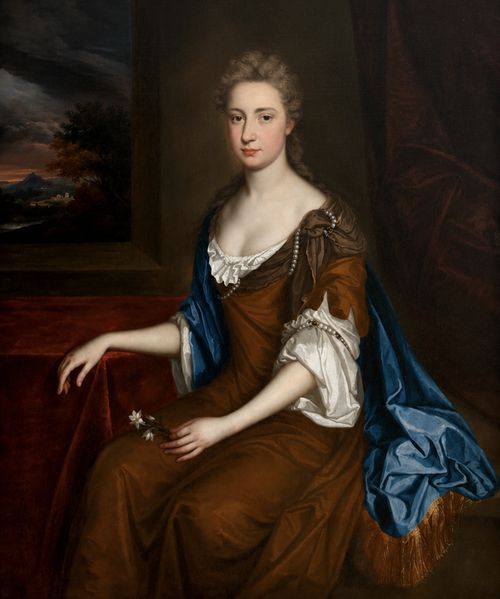
A baroque family portrait centres on aristocratic or noble subjects rendered in oils on canvas during the seventeenth and eighteenth centuries. These works frequently depict named individuals belonging to notable houses, such as the Markham, Greder, Adams, Palmer, Haworth, and Leader families.
The aesthetic aligns with Dutch Golden Age, French Baroque, and Early Georgian movements, capturing formal poses and rich attire. Alongside secular sitters, subjects also include sacred familial groupings, such as seventeenth-century depictions of the Holy Family accompanied by John the Baptist.
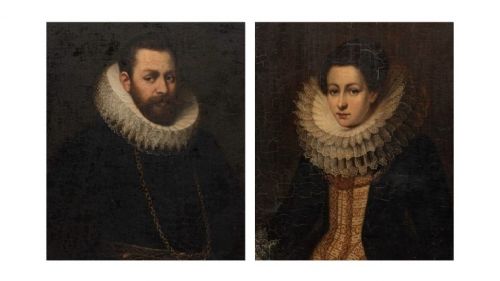
Surviving examples span the seventeenth century through to the nineteenth century, with several pieces originating around seventeen hundred and the early decades of the eighteenth century. Buyers encounter both individual likenesses and paired portraits of noblemen and ladies wearing intricate ruff collars.
Materials and construction
These works are executed in oil paint upon canvas grounds, utilising traditional pigments applied by hand to build rich depth and tonal contrast. The handling reflects the techniques of the period, from circle and follower workshops to named masters.
Portraits frequently identify specific historical lineages, including the Markham, Greder, Adams, Palmer, Haworth, and Leader families.
Assessing quality in portraiture
The distinction between workshop execution and the direct hand of a prominent painter shapes the standing of each canvas. Pieces associated closely with established circles or named historical artists display superior brushwork, anatomical precision, and psychological depth in the sitter's expression.
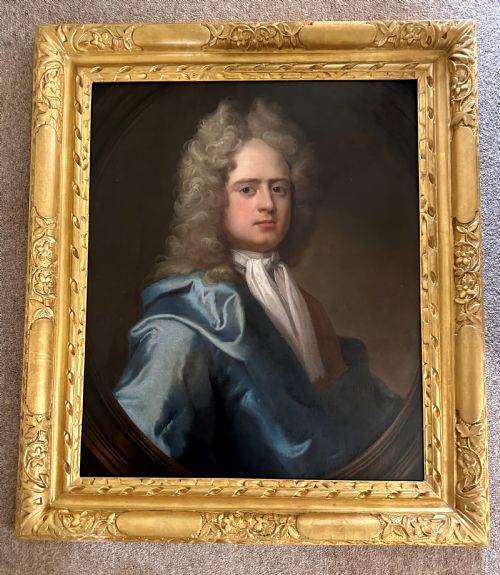
The preservation of the original oil paint surface and the integrity of the canvas dictate the visual power of the composition. Finer examples maintain crisp detail in fabrics such as ruff collars and lace, supported by well-preserved giltwood frames that enhance the historical context.
Hyacinthe Rigaud·Michael Dahl·Thomas Murray·Jonathan Richardson·Sir Godfrey Kneller
The Baroque Family Portrait Glossary
- Baroque
- An artistic style originating in the seventeenth century characterised by drama, deep shadow, and rich detail. It dominates the aesthetic of these large-scale canvases.
- Giltwood
- Wood carved and covered with a thin layer of gold leaf or gold paint. It forms the decorative frames typical of this period.
- Dutch Golden Age
- A period in seventeenth-century Dutch art known for mastery in portraiture and oil painting. Works from this tradition emphasise realistic textures and sober elegance.
- Circle
- A term used when a painting shows the style and hand of a master's close associates or studio. It indicates work produced in the immediate orbit of a known artist.
- Oil on canvas
- A painting medium where pigments bound in oil are applied to stretched woven fabric. This combination allows for subtle blending and rich layering.
Baroque Family Portrait: Frequently Asked Questions
What is a baroque family portrait?
A baroque family portrait is an oil painting on canvas depicting named individuals or sacred domestic groups from the seventeenth and eighteenth centuries. These works reflect the grand aesthetic of European portraiture.
Subjects range from nobility and gentry families to religious groupings, often displayed within ornate giltwood frames that suit their dramatic style.
How do I date an antique portrait?
Dating relies on costume details, such as ruff collars or contemporary dress, alongside painting techniques typical of the seventeenth and eighteenth centuries. Attributions often link canvases to specific decades around seventeen hundred.
Signatures, historical records, and stylistic connections to known artists or their circles also help narrow down the period of creation.
Who painted these portraits?
The works are created by professional portraitists working within European artistic traditions, including British, Dutch, and French schools. Some pieces are by named masters, while others originate from their close circles and followers.
Artists documented in this tradition include portrait specialists who recorded the likenesses of prominent lineage families of the era.
How should I display an oil painting?
Oil paintings on canvas require stable indoor environments away from direct sunlight and excessive humidity to protect the paint and ground. Hanging them securely on a wall allows the canvas to breathe while showcasing the period frame.
Proper placement ensures the giltwood surround and the detailed brushwork can be appreciated in natural or gently diffused lighting.