



Baroque Cherub Sculpture
Baroque cherub sculpture brings muscular energy and spiritual drama to a room, capturing the theatrical spirit of seventeenth and eighteenth century ecclesiastical art.
Baroque Cherub Sculpture
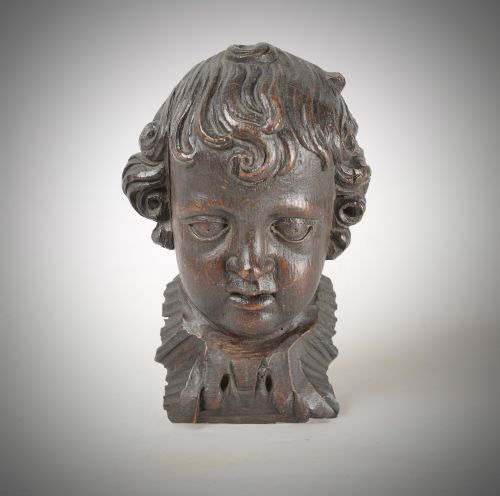
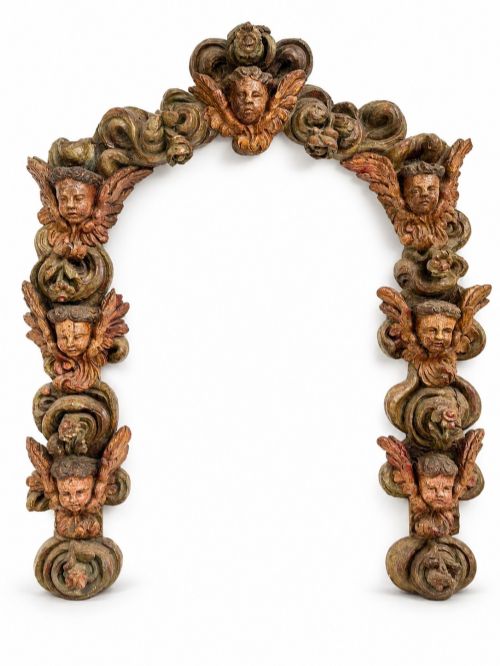
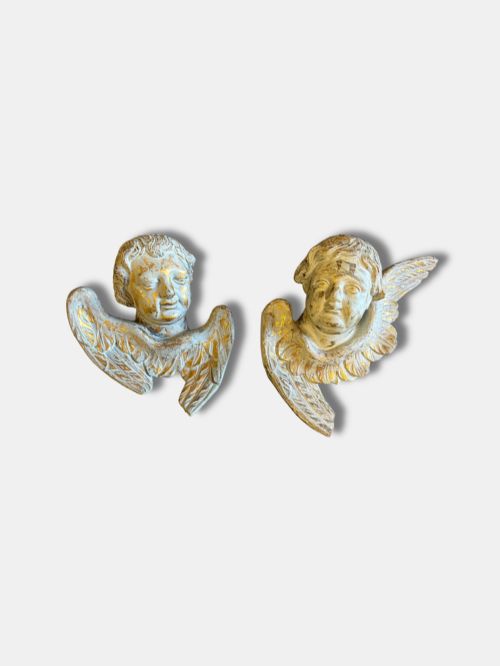
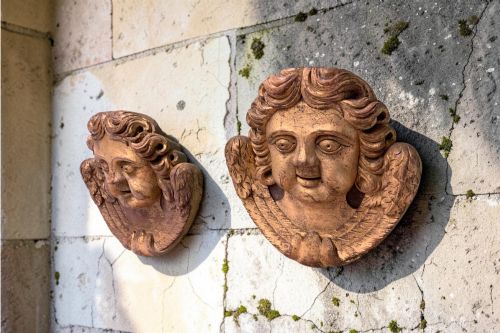
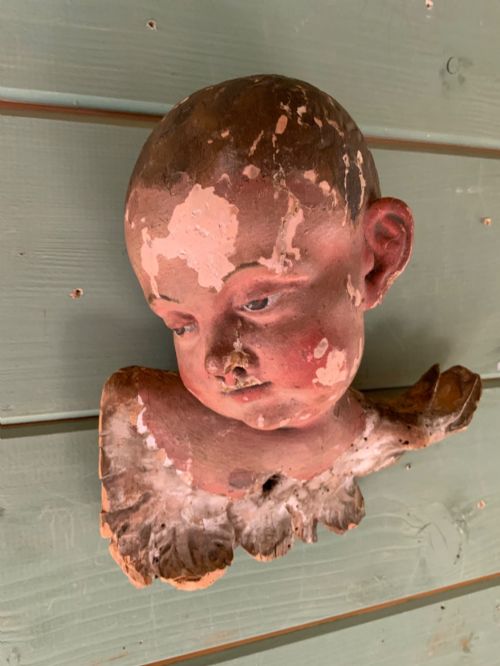
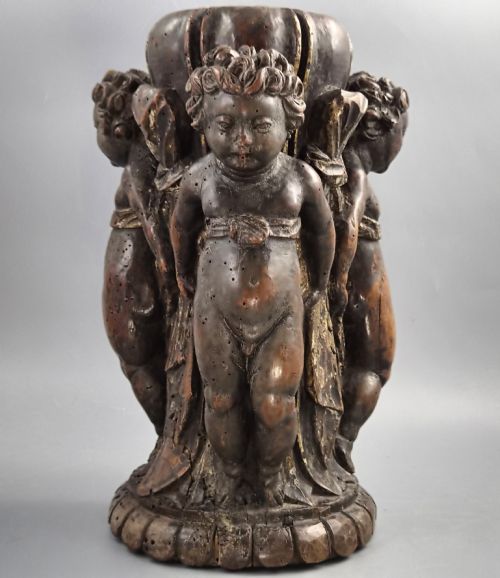
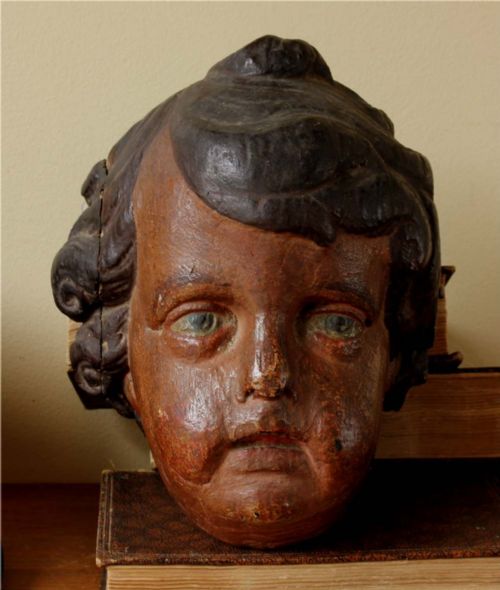
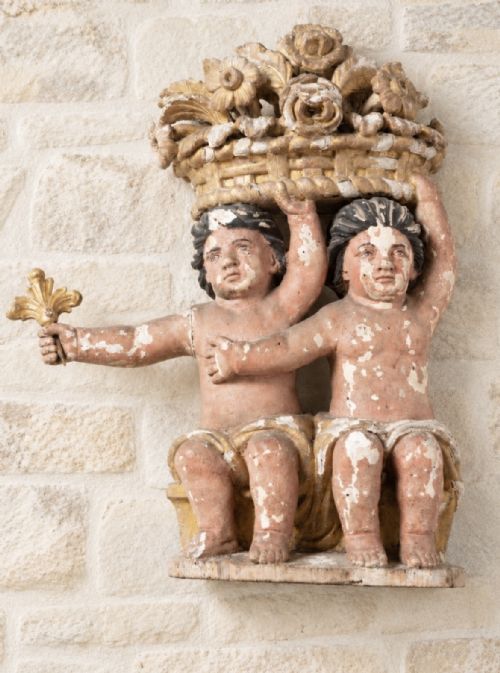
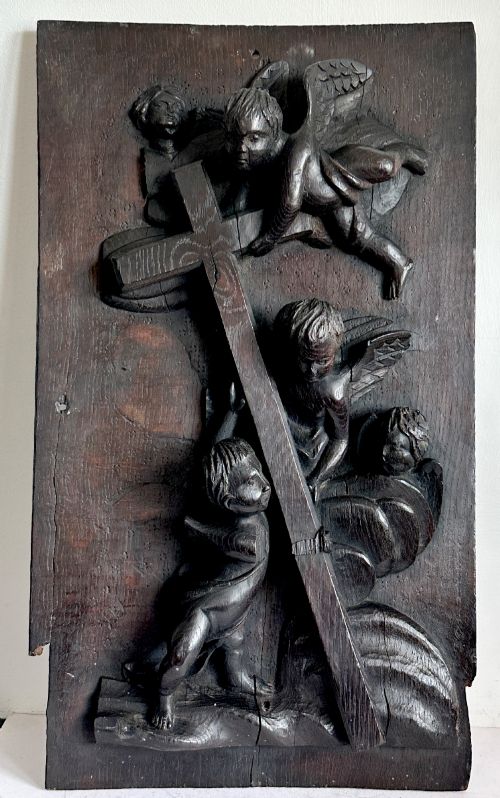
A baroque cherub sculpture presents winged putti, angel heads and kneeling heavenly figures carved with dramatic movement and heavy drapery. These pieces originate primarily from Italian, French, German and English workshops spanning the seventeenth, eighteenth and nineteenth centuries.
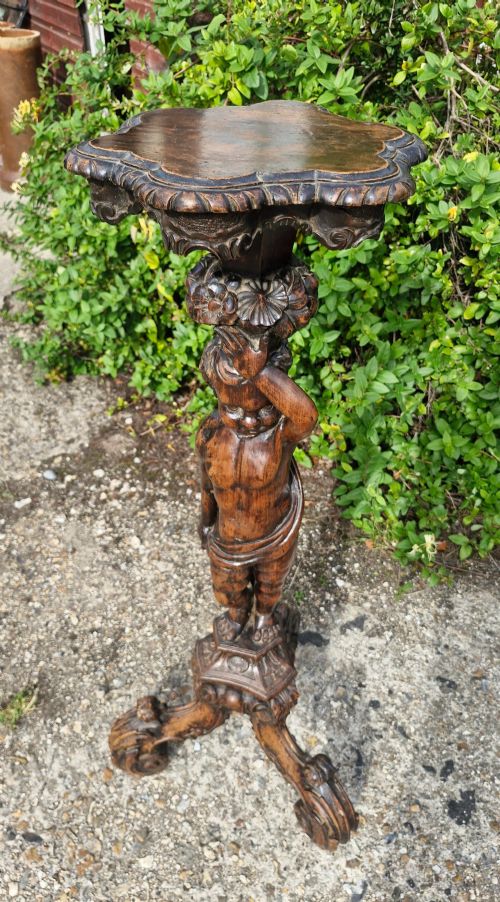
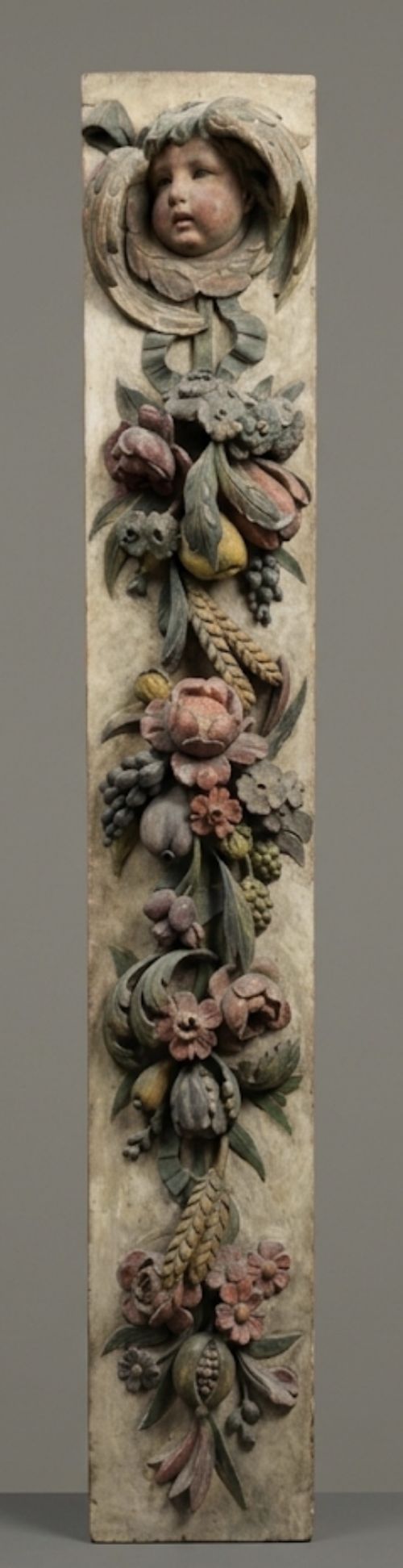
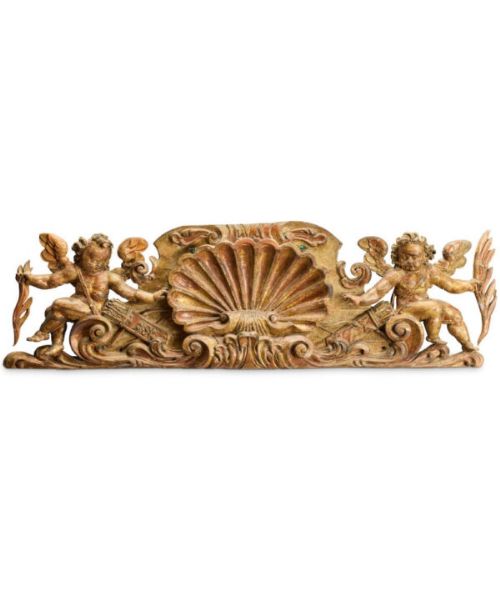
The buyer meets freestanding statues, torchiere bases, wall reliefs, architectural pediments and overdoor panels. Oak, walnut, lime wood and polychrome painted timber dominate the forms available here.
Earlier examples display the direct vigour of the seventeenth and eighteenth centuries, while later nineteenth century pieces often revive these earlier baroque styles with decorative gilt and painted finishes.
Materials and construction methods
Carvers shaped these figures from solid hardwoods including oak and walnut, alongside softer timbers such as lime wood that permitted deep, complex undercut details. Master hands employed gouges and chisels to reveal muscular limbs and curling hair straight from the grain.
Many surfaces received a preparation of gesso before application of gold leaf or polychrome paint, adding layered colour and metallic lustre to the wood. Architectural fragments and panel carvings often show original tool marks at the reverse where they joined larger church or domestic interiors.
Baroque Cherub Sculpture Retail Price Guide 2026
Typical asking prices for baroque cherub sculpture among the pieces listed under this phrase on Sellingantiques today, from the lower quarter to the upper quarter. They describe what is for sale here now, not the wider market.
Materials recorded across the inventory include carved oak, walnut, lime wood, gesso, gold leaf and polychrome paint.
Distinctions in craftsmanship
The survival of original surface treatments, whether polychrome pigment or parcel gilt over gesso, defines the integrity of a piece. Later overpainting or stripped timber alters the original visual balance intended by the maker.
The Baroque Cherub Sculpture Glossary
- Putto
- A plump, naked male child figure often winged, derived from classical art and frequently depicted in baroque sculpture. These figures embody both secular playfulness and divine presence.
- Polychrome
- Decoration consisting of several colours applied to wood or gesso surfaces. This technique added lifelike warmth to ecclesiastical carvings.
- Torchiere
- A tall stand or pedestal designed to support a light, often decorated with carved figures or putti at the base. They served functional and decorative roles in grand interiors.
- Gesso
- A plaster mixture applied to wood as a smooth base for gilding and painting. It allows intricate surface detailing before the gold leaf is laid down.
- Pediment
- A triangular or curved architectural crowning feature above a door or window. Baroque versions frequently incorporated carved cherub heads and scrollwork.
Baroque Cherub Sculpture: Frequently Asked Questions
How do I identify a seventeenth century piece?
Seventeenth century carvings generally show deeper undercutting and heavier oak or walnut construction. The tool marks tend to be broader and more irregular than those found on later work.
Look closely at the joinery and the way the wood has aged and dried over centuries. True early pieces possess a heavy density and a dry, oxidised surface patination.
Were these sculptures made for churches?
Many of these figures originated in ecclesiastical settings, adorning altars, choir stalls, church walls and architectural pediments. French and Italian examples often retain the intense spiritual theatricality associated with church interiors.
Others were created for grand domestic spaces, integrated into wall panels, overdoors or torchieres to display wealth and taste.
How should I clean a wooden cherub sculpture?
Dust the surface gently with a soft, dry brush to remove particles without disturbing delicate gesso or paint layers. Avoid using water, oils or commercial cleaning sprays entirely.
Keep the sculpture away from direct sunlight and sudden humidity changes to prevent the timber from splitting or the historic finish from lifting.
What is the difference between an angel head and a putto?
An angel head typically presents just the face and wings emerging directly from a cloud or architectural scroll, common in church wall carvings. A putto represents a full bodied child figure, often shown standing, kneeling or wrestling with drapery.
Both forms share the exuberant theatricality typical of the baroque style.