






Baroque Carved Frame Mirror
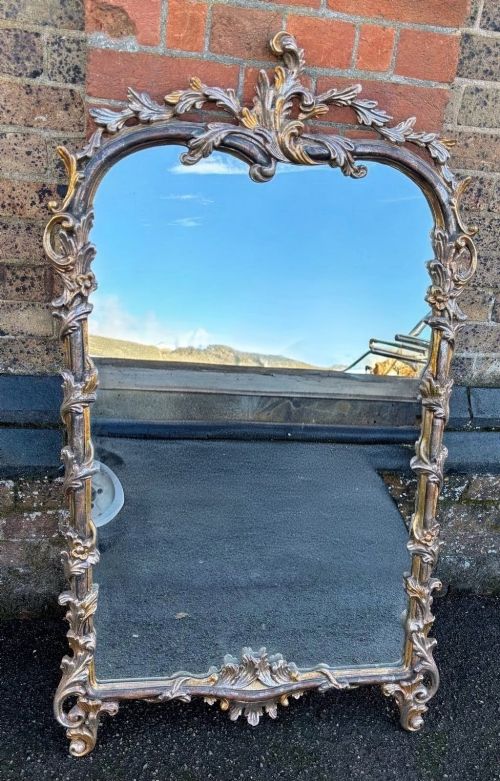
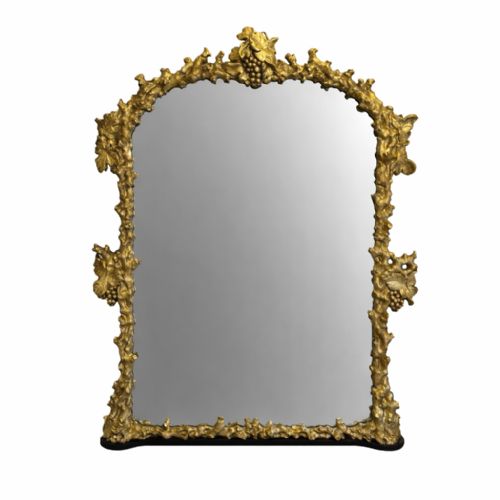
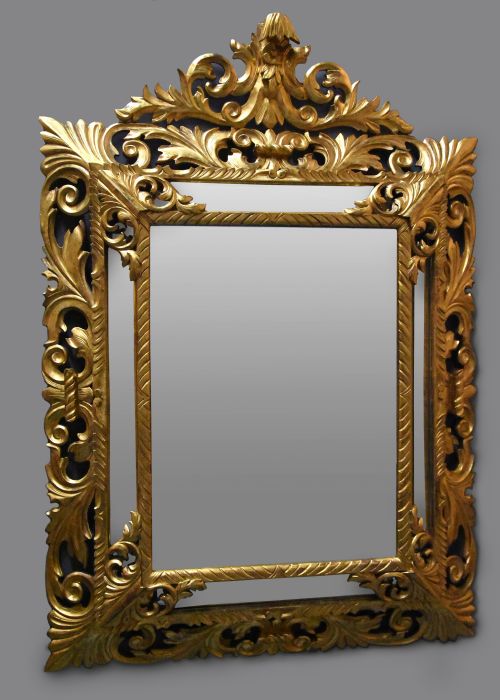
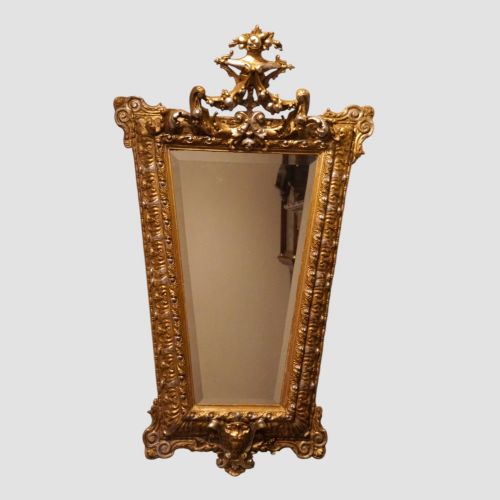
A baroque carved frame mirror brings deep theatrical shadow and lavish gilded surface to a room, turning a simple wall into an architectural focal point.
Baroque Carved Frame Mirror
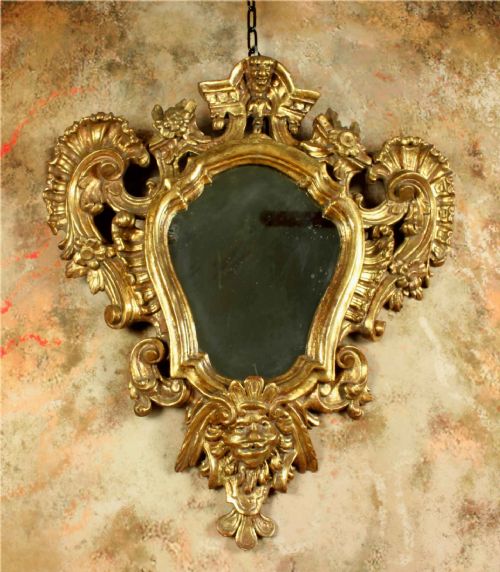
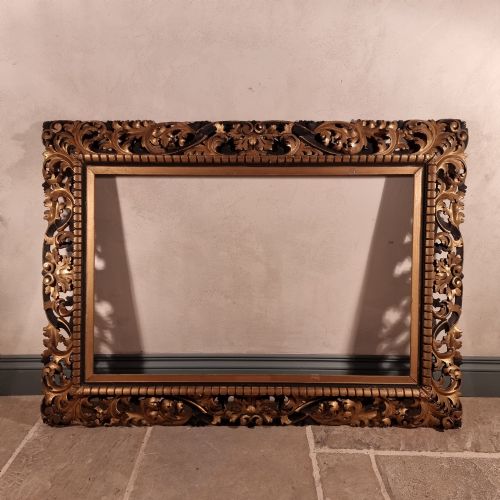
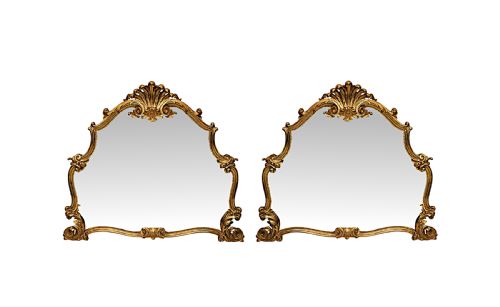
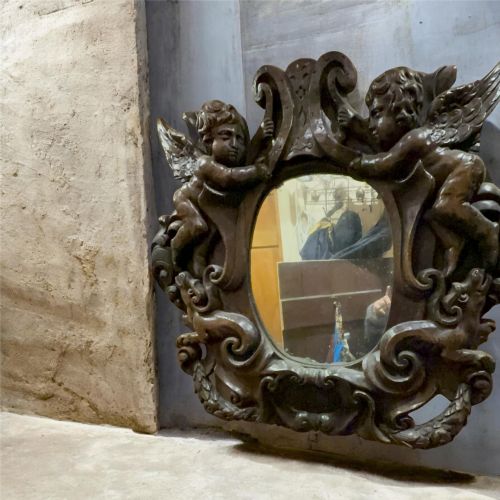
When you search for a baroque carved frame mirror, you encounter heavy timber structures adorned with scrolls, acanthus leaves and high-relief carving. These pieces function primarily as wall mirrors, pier glasses or overmantels, designed to catch and reflect light in dark chambers.
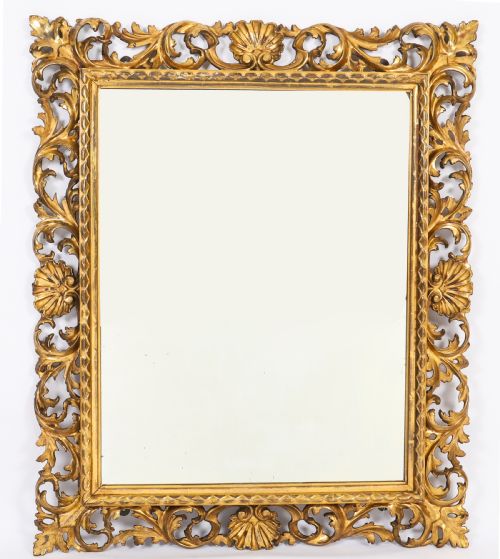
The versions most common on this page hail from nineteenth-century revivals, alongside authentic eighteenth-century examples and earlier seventeenth-century forms. Italian workshops dominate the selection, particularly Florentine and Venetian centres known for elaborate giltwood output, accompanied by French and Dutch interpretations.
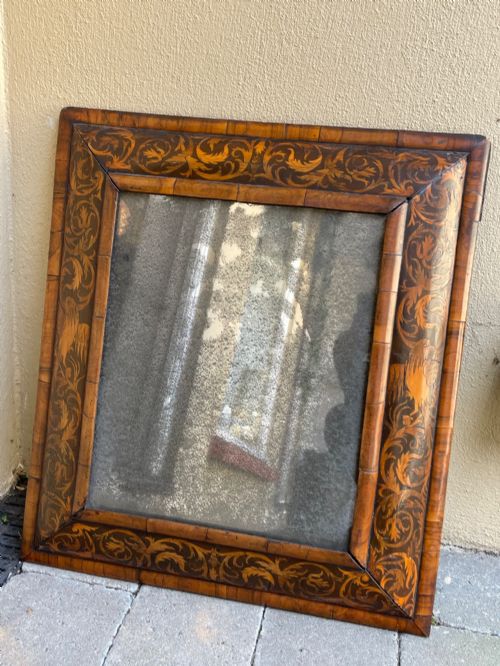
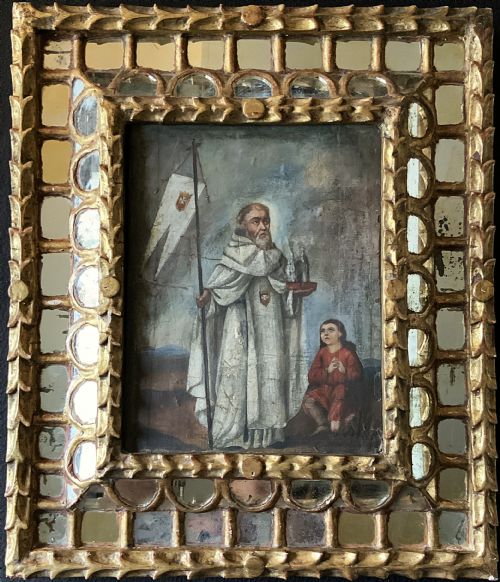
Forms range from grand cushion mirrors with deep bevels to tall rectangular wall pieces and oval frames topped with decorative crests. Alongside standard looking glasses, the selection includes picture frames adapted to hold glass and devotional reliquary mirrors.
How they were made
Carvers shaped the foundational structure from solid woods such as oak, limewood or pine before applying fine layers of gesso to build up high-relief motifs. Artisans then gilded these surfaces using gold leaf or silver leaf, burnishing selected areas to create a contrast between matte and gleaming textures.
Early examples utilised original mercury plates held within rebated frames, whilst later pieces received standard silvered mirror glass. Surface treatments frequently included hand-painted details or nuanced patination applied over the gilt and gesso layers.
Baroque Carved Frame Mirror Retail Price Guide 2026
Typical asking prices for baroque carved frame mirror among the pieces listed under this phrase on Sellingantiques today, from the lower quarter to the upper quarter. They describe what is for sale here now, not the wider market.
Some frames incorporate lions' heads glaring out from the corners, keeping a silent watch over anyone checking their reflection.
What varies in quality
The depth and crispness of the carving separate standard commercial work from master craftsmanship, as seen in the undercut details of foliage and the symmetry of scrollwork. Superior examples display spirited hand-tooling where every leaf and scroll possesses individual movement.
The integrity of the gilded surface and the preservation of the original gesso foundation determine the visual power of the object. Pieces retaining their original mercury mirror plates and untrimmed frames command greater appreciation among collectors.
The Baroque Carved Frame Mirror Glossary
- Giltwood
- Wood that has been coated with gold leaf over a prepared gesso ground. This technique creates a luminous surface that catches candlelight and daylight alike.
- Gesso
- A mixture of chalk, gypsum and size applied to carved wood to create a smooth surface for gilding. It allows craftsmen to model sharp decorative details before leaf is laid.
- Pier glass
- A tall mirror specifically designed to hang on the narrow wall space between windows. These pieces often feature matching console tables beneath them.
- Cushion mirror
- A frame profile with a broad, sloping border that swells outward towards the edge. This convex moulding increases the sense of three-dimensional depth.
- Mercury plate
- An early type of mirror glass manufactured using a tin-amalgam backing. It produces a mottled, dark reflection distinct from modern silvered glass.
Baroque Carved Frame Mirror: Frequently Asked Questions
Where should I hang a heavy carved mirror?
Support these substantial wooden frames directly from wall studs using appropriate fixings rather than relying on standard plaster hooks. Their considerable weight requires secure anchor points to ensure stability.
Position the piece at a height that allows it to reflect light from windows or chandeliers, thereby enhancing the natural illumination of the interior space.
How do I clean an antique gilded frame?
Dust the carved surfaces gently with a soft, dry brush to prevent accumulation in the recesses of the relief work. Avoid liquid cleaners, polishes or moisture entirely, as water strips historical gold leaf and damages fragile gesso.
Clean the glass plate using a minimal amount of glass cleaner applied to a cloth rather than sprayed directly onto the mirror, protecting the surrounding timber from seepage.
How can I tell an eighteenth-century frame from a nineteenth-century revival?
Examine the construction joints, timber species and tool marks visible on the reverse of the frame. Eighteenth-century pieces typically display hand-cut joinery and aged pine or hardwood backing boards.
Revival pieces from the nineteenth century often utilise standardised fixings and machine-sawn timber while replicating the earlier Italian or French decorative vocabulary with varying degrees of sculptural freedom.
What is a reliquary mirror?
A reliquary mirror incorporates sacred motifs such as flaming hearts or religious emblems into the carved crest of the frame. These objects served devotional functions within domestic or ecclesiastical settings during the seventeenth and eighteenth centuries.
Unlike standard wall mirrors intended for personal grooming, these pieces functioned as focal points for prayer and spiritual contemplation.