


Barley Twist Dining Sideboard
A barley twist dining sideboard brings solid timber and traditional turnings into the room, offering generous storage with a distinct historical character.
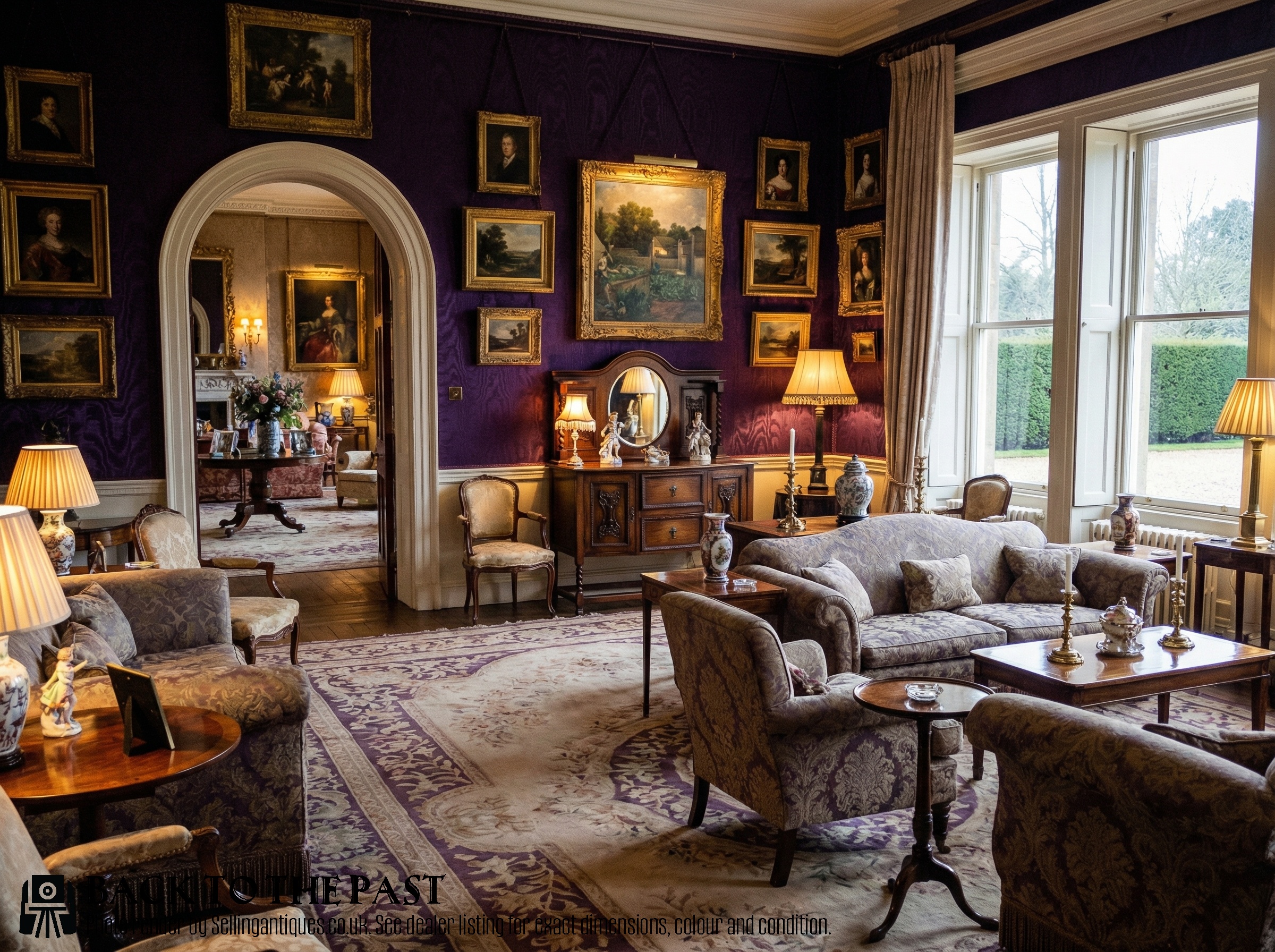
Barley Twist Dining Sideboard
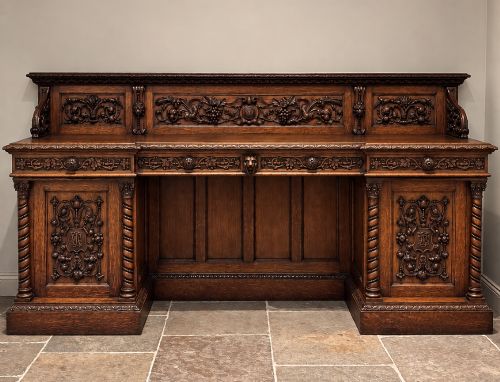
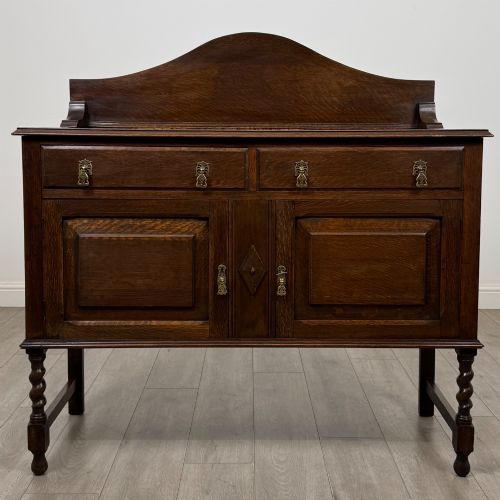
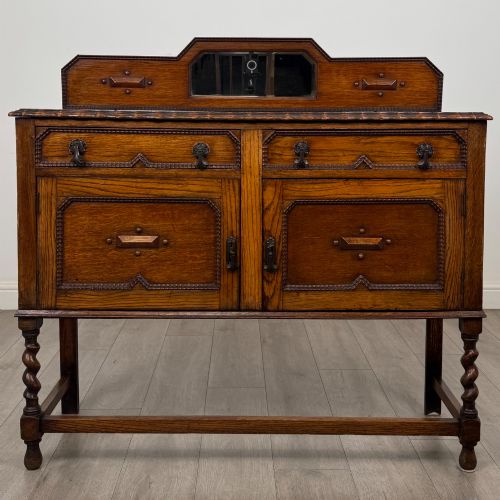
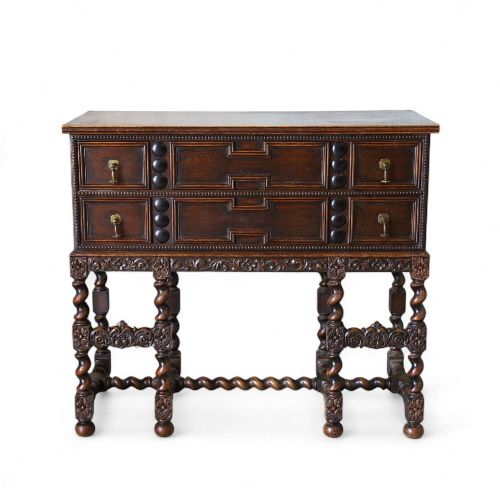
When you search for a barley twist dining sideboard, you are looking at substantial storage furniture defined by spiral turned supports. These pieces appear across several periods, most notably in Victorian, Edwardian, and 1930s examples.
Forms vary from mirrorback sideboards to serving sideboards and chiffoniers. Each type serves the dining room by providing surface space and enclosed storage for tableware.
How they were made
Makers utilised solid oak and mahogany for these sideboards, often pairing the timber with brass hardware. Burr walnut and glass also appear in select compartments like cocktail cabinets.
Turned wooden supports form the signature spiral motif, requiring precise lathe work. Carving is frequently applied by hand to panels and mouldings, complementing the turned legs.
Some sideboards hide your gin behind a double bow front.
What varies in quality
The distinction between standard and superior pieces rests on the crispness of the carving and the execution of the spiral turnings. Uniformity in the twist and depth in the decorative relief indicate careful workshop production.
Selection of timber grain significantly alters the character of the piece, particularly where figured oak or burr walnut is employed. Construction methods, such as the joining of drawers and doors, dictate the structural integrity of the sideboard over time.
The Barley Twist Dining Sideboard Glossary
- Barley twist
- A decorative turning shaped like a spiral or helix, commonly found on the legs and upright supports of these sideboards. This style draws on earlier 17th-century furniture traditions.
- Chiffonier
- A low sideboard or cabinet featuring shelves or drawers, traditionally used for serving food or storing tableware. It is a lighter alternative to the massive Victorian dining sideboard.
- Carolean Revival
- A furniture style reviving the aesthetics of the reign of Charles II, characterised by rich carving and spiral turnings. Pieces from this revival often date to the late 19th or early 20th century.
- Mirrorback
- A sideboard design incorporating an upright mirror attached to the rear of the superstructure. This feature reflects light and displays ornamental items placed on the surface below.
Barley Twist Dining Sideboard: Frequently Asked Questions
What periods do these sideboards come from?
The pieces span the Victorian and Edwardian eras, alongside 1930s revivals. Stylistic influences also reach back to earlier 19th-century designs.
Craftsmanship and timber choices shift across these decades, reflecting changing domestic tastes.
Which woods were used for these sideboards?
Oak is the predominant material, appearing in dark finishes, golden tones, and carved formats. Mahogany and burr walnut are also utilised in specific serving and cocktail variants.
Brass hardware frequently accompanies these timbers on handles and fittings.
How do I style a barley twist sideboard in a dining room?
These pieces function as focal points for dining spaces, offering surface area for serving food or displaying glassware. Their heavy timber presence grounds the room.
Pairing them with appropriate seating or complementary wooden furniture enhances the traditional interior.
What is the difference between a chiffonier and a sideboard?
A chiffonier typically presents a more compact footprint with delicate proportions and often includes a superstructure. Sideboards are generally larger and built for heavier dining storage.
Both serve similar functional roles in housing tableware and dining accessories.