






Barbizon Landscape
A barbizon landscape brings the quiet realism of rural French fields and forests straight into your room.
Barbizon Landscape
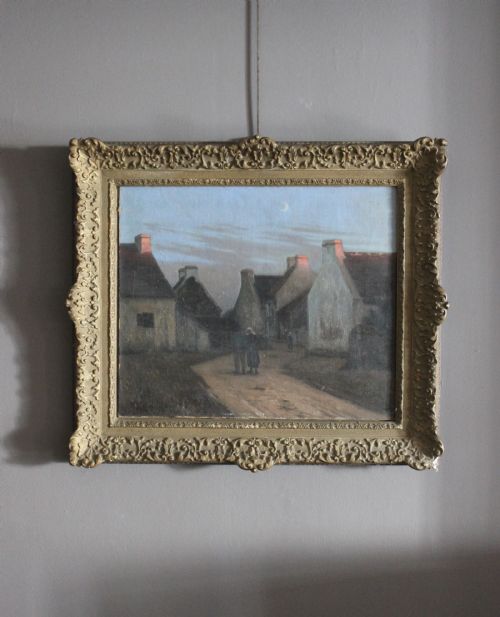
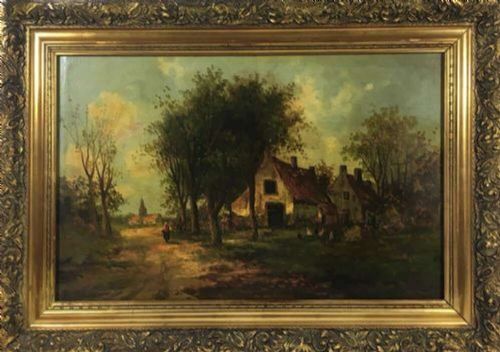
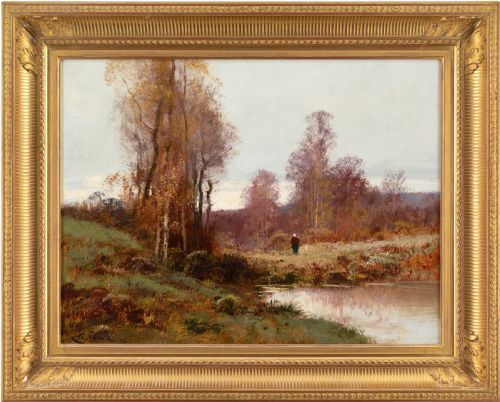
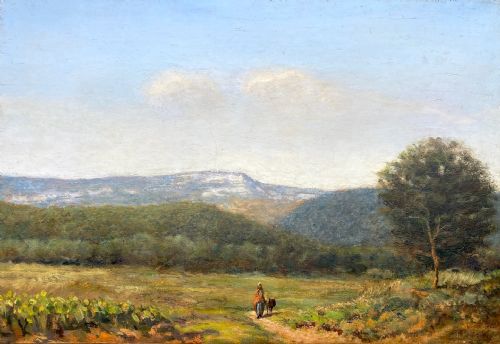
When you search for a barbizon landscape, you encounter 19th Century and Victorian works centred on pastoral views, riverbanks, woodlands, and farmyards. These paintings and drawings capture naturalistic scenes from the French countryside, often rendered in oil on canvas or watercolour on paper.
You are most likely to meet French School interpretations from the mid to late 19th Century, alongside British School examples showing distinct Barbizon influence. These range from intimate drawings of wooded paths to expansive oil paintings depicting cattle by streams and figures resting by rivers.
How they were made
Artists applied oil paint or watercolour onto canvas, wood, paper, or charcoal supports to build up textured, atmospheric views of nature. Canvases are frequently housed in giltwood frames that complement the earthy tones of the compositions.
The technique relies on direct observation of light and shadow in rural settings, prioritising moody skies, dense foliage, and realistic terrain over idealised classical scenery.
Barbizon Landscape Retail Price Guide 2026
Typical asking prices for barbizon landscape among the pieces listed under this phrase on Sellingantiques today, from the lower quarter to the upper quarter. They describe what is for sale here now, not the wider market.
Cattle wander through streams and sheep graze by rivers while weary travellers rest under painted French skies.
What varies in quality
The strength of a composition lies in the handling of light and atmosphere across natural elements like trees, water, and skies. Works by named practitioners or those with documented exhibition histories demonstrate a more confident brushwork and tonal depth.
Surface preservation of the canvas and the integrity of the original paint layers dictate the overall visual impact. Finer examples maintain crisp details in figures and foliage without excessive overpainting or structural compromise.
Paul Désiré Trouillebert·Charles Clair·Henri Jaques Delpy·Alphonse Robert·Pierre Emmanuel Eugene Damoye·Charles Edmond Rene His·Henri Joseph Harpignies
The Barbizon Landscape Glossary
- Barbizon School
- A group of French painters who gathered in the village of Barbizon to paint landscapes directly from nature. This movement bridged romanticism and impressionism by focusing on everyday rural scenes.
- Giltwood
- Timber carved and coated with a thin layer of gold leaf or gilt powder. It is commonly found on the ornate frames enclosing 19th Century oil paintings.
- Pastoral
- Pertaining to the countryside, rural life, and agricultural settings. In these artworks, it describes tranquil views of cattle grazing, rivers, and rustic farmyards.
- Naturalism
- An artistic movement aiming to depict subjects with truthful fidelity to nature. It avoids theatrical staging in favour of honest, unadorned representations of light and landscape.
Barbizon Landscape: Frequently Asked Questions
What is a barbizon landscape?
A barbizon landscape is a 19th Century artwork depicting rural French scenery, forests, rivers, and farm life painted directly from nature.
These pieces reflect a shift towards realism, capturing the quiet atmosphere of the countryside rather than grand historical narratives.
How were these paintings used?
These works served as domestic art intended for display in private homes, hung on walls to bring natural serenity indoors.
Framed in giltwood, they provided 19th Century and Victorian interiors with a sophisticated connection to the French countryside.
How do I live with one?
Hang your painting away from direct sunlight and damp conditions to protect the oil paint, canvas, and giltwood frame over time.
Pair it with traditional or neutral wall colours that allow the earthy tones and atmospheric lighting of the rural scene to stand out.
How do I tell periods apart?
Earlier 19th Century works often lean towards tight academic realism and sombre tones, while pieces from the later decades incorporate looser brushwork influenced by emerging impressionist ideas.
Examining the canvas preparation, framing style, and artist signatures helps place the work securely within its historical window.