









Barbizon Landscape Oil
A barbizon landscape oil captures the quiet rural realism of nineteenth-century French pastoral life, offering buyers a serene window into natural scenery.
Barbizon Landscape Oil
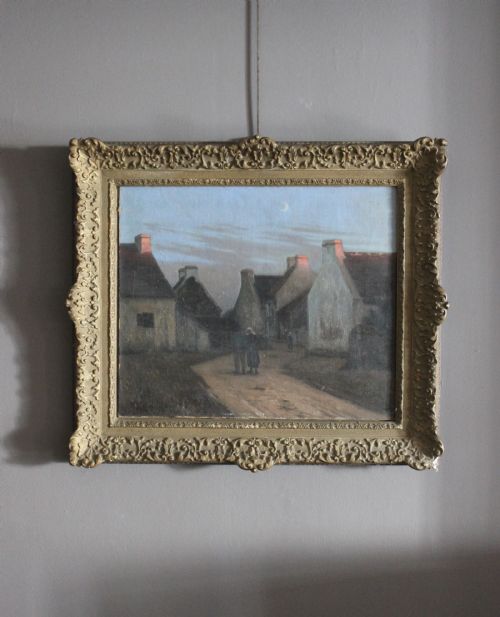
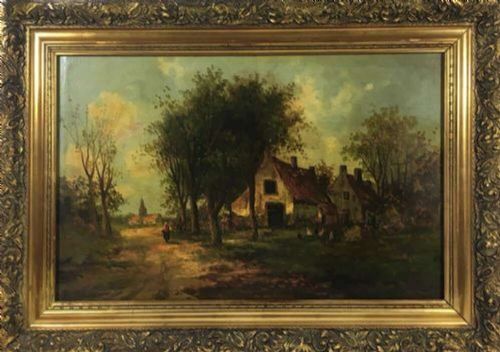
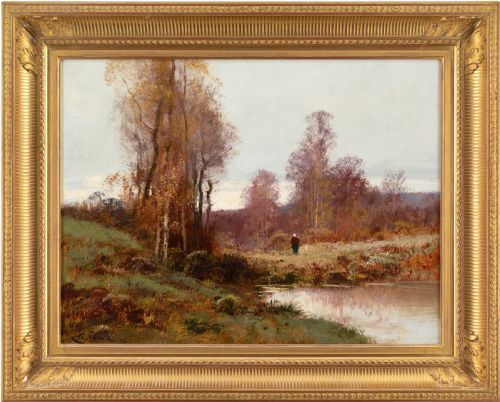
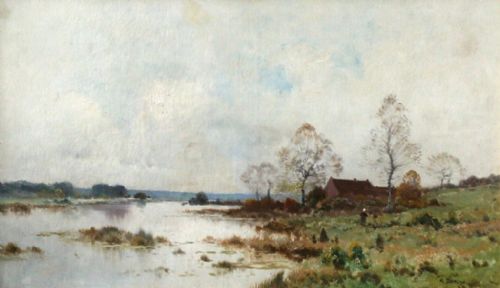
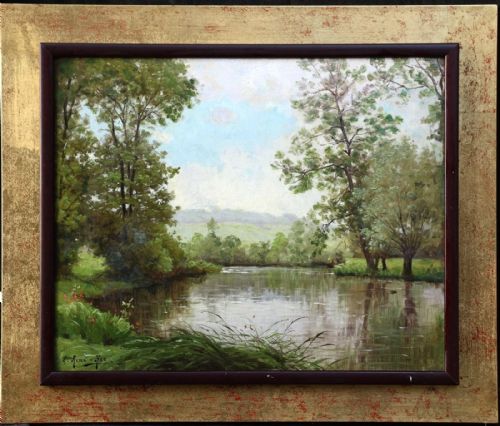
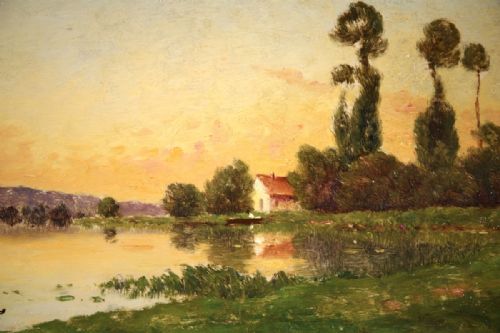
When you search for a barbizon landscape oil, you encounter nineteenth-century works rooted in the French School and the Barbizon School tradition. These paintings typically depict rivers, farmyards, and pastoral scenes populated by figures, cattle, or simple rural dwellings.
The most common examples on this page date from the nineteenth century, including specific decades such as eighteen-sixty, eighteen-seventy, and eighteen-ninety. Many pieces reflect this regional French aesthetic, alongside works showing British School or Victorian influences.
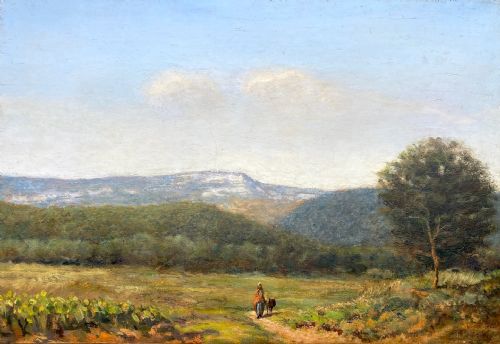
The subjects range from quiet riverbanks to Mediterranean landscapes in Provence and the South of France. These canvases draw the eye into atmospheric woodlands and open fields rather than grand historical narratives.
Evaluating quality
Quality in these landscapes rests upon the handling of light, atmosphere, and brushwork by the artist. Stronger works convey a palpable sense of weather and local atmosphere, whereas lesser examples remain flat and formulaic.
The fidelity of the provenance and the clarity of attribution also separate the fine examples from anonymous studio pieces. Works associated with known painters or distinct regional circles carry greater art historical weight.
Barbizon Landscape Oil Retail Price Guide 2026
Typical asking prices for barbizon landscape oil among the pieces listed under this phrase on Sellingantiques today, from the lower quarter to the upper quarter. They describe what is for sale here now, not the wider market.
Cattle grazing by rivers and figures resting on woodland paths appear often, reminding us that nineteenth-century artists loved a leisurely cow.
Paul Désiré Trouillebert·Charles Clair·Henri Jaques Delpy·Alphonse Robert·Pierre Emmanuel Eugene Damoye·Charles Edmond Rene His·Henri Joseph Harpignies
The Barbizon Landscape Oil Glossary
- Barbizon School
- A nineteenth-century French art movement dedicated to naturalistic landscape painting. Artists associated with this group worked outdoors to capture the unidealised reality of the countryside.
- Oil on Canvas
- A traditional painting medium consisting of pigments suspended in drying oils applied to a stretched fabric support. This combination allows for rich blending and textured brushwork.
- Giltwood
- Wood carved and covered with a thin layer of gold leaf or gold paint. Frames made from this material were frequently used to finish fine art paintings.
- Pastoral
- A genre of art depicting rural life and landscapes, often featuring figures, livestock, and farms. These scenes emphasise simplicity and harmony with nature.
- Impressionist
- A style of painting that focuses on the visual impression of the moment, particularly regarding shifting light and colour. Several works in this tradition bridge Barbizon realism and later impressionist techniques.
Barbizon Landscape Oil: Frequently Asked Questions
What is a barbizon landscape oil?
A barbizon landscape oil is a nineteenth-century painting depicting rural scenery, rivers, and farmyards in the style of the French Barbizon painters. These works focus on naturalistic portrayals of the countryside rather than grand historical events.
The pieces use oil paint on canvas to create atmospheric effects, often capturing quiet moments of daily rural life.
How do I display these paintings?
These paintings suit traditional interiors, living rooms, and studies where their earthy tones can complement wooden furniture and period decor. They pair naturally with period giltwood or wood frames.
Ensure the canvas is placed away from direct sunlight and excessive humidity to preserve the oil pigments and the wooden stretcher bars.
How can I tell the period?
Dating relies on stylistic clues, framing, canvas preparation, and any visible signatures or biographical dates associated with the artist. Nineteenth-century works frequently display the muted palettes and brushwork characteristic of the period.
Examining the reverse of the canvas often reveals historical stamps, labels, or stretcher construction typical of nineteenth-century framing.
Where were these paintings made?
The majority of these works originate from France, reflecting the Barbizon movement centred around the forest of Fontainebleau and the surrounding countryside. Other pieces reflect British School or Victorian interpretations of this rural style.
Regional subjects include Provence, the South of France, and specific river valleys like the Loire.