






Bakhtiari Weaving
Bakhtiari weaving brings resilient Persian tribal artistry into the home through robust wool rugs, bags and flat-woven textiles.
Bakhtiari Weaving
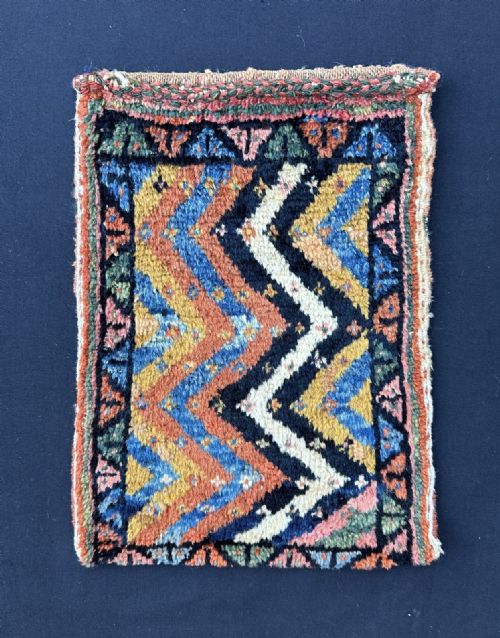
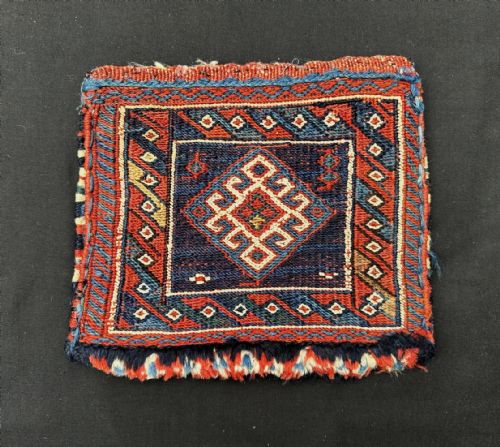
Bakhtiari weaving originates from the Chahar Mahal valley in western Persia, produced by the Luri-Bakhtiari tribes and sub-groups such as the Haft Lang and Owlad Haj Ali. Buyers encounter diverse functional objects including large carpets, village rugs, runners and tribal bags.
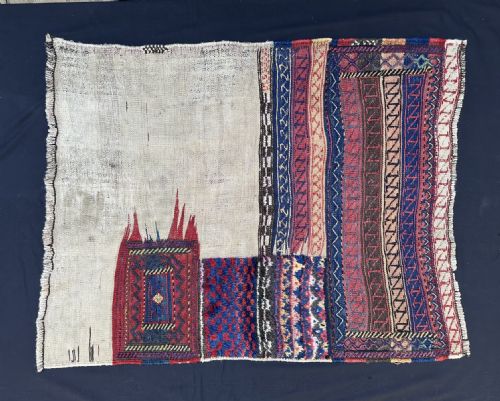
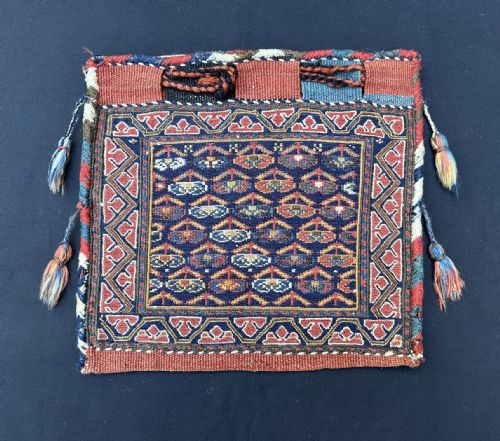
The material record includes specialised utilitarian forms like the tacheh or wheat sack, bread sofreh, chanteh, half-khorjin saddle bags and moj mowj flat weave textiles. These pieces demonstrate the rich nomadic and village heritage of the region across decades spanning the late nineteenth and early twentieth centuries.
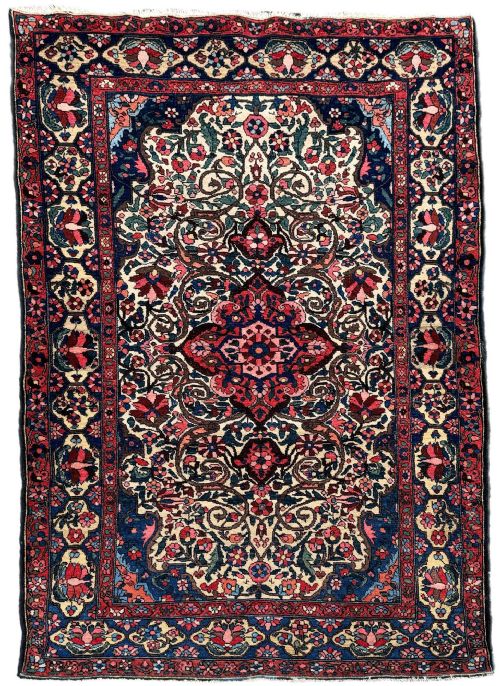
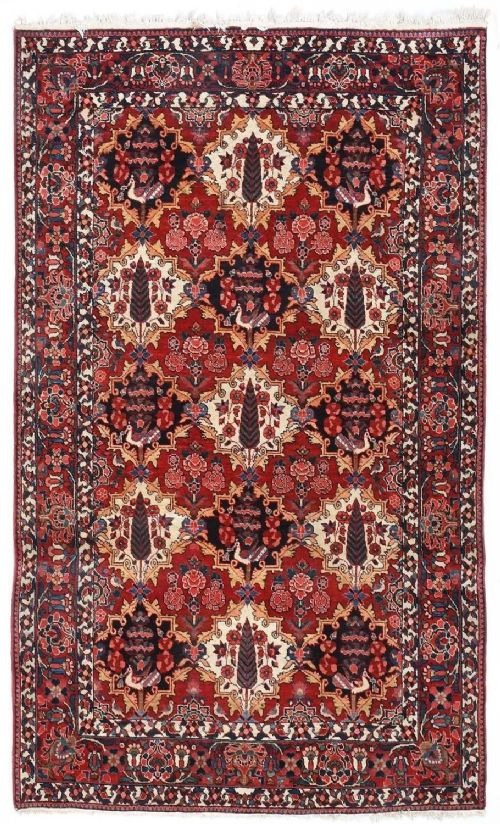
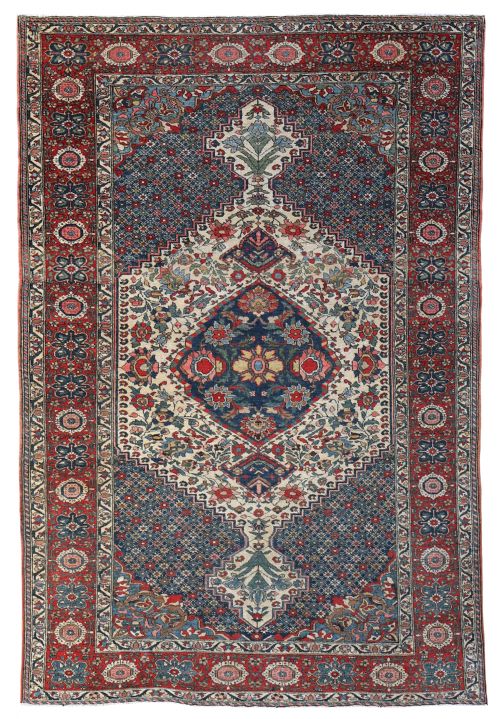
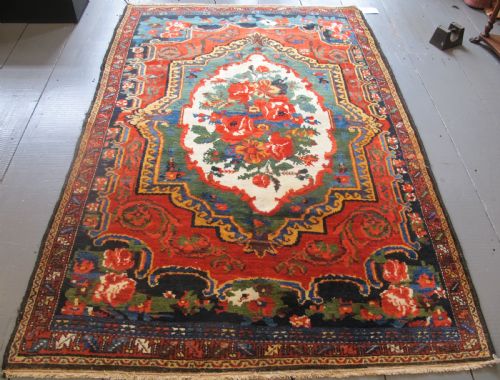
Carpets and rugs frequently display tribal village designs alongside floral medallion patterns and garden carpet layouts. Every format reflects the distinct cultural practices of weavers working within western Persian traditions.
How they were made
Weavers constructed these pieces utilising hand-spun wool and cotton foundations, frequently incorporating goat hair for durability in nomadic utility items. Natural dyes provided the deep pigment palette seen across the tribal textiles.
The production encompasses pile-woven carpets and rugs alongside flat-weave jajim wall hangings and floor spreads. Artisans executed these items through traditional tribal knotting and weaving methods native to the Chahar Mahal valley.
Bakhtiari Weaving Retail Price Guide 2026
Typical asking prices for bakhtiari weaving among the pieces listed under this phrase on Sellingantiques today, from the lower quarter to the upper quarter. They describe what is for sale here now, not the wider market.
Nomadic weavers packed their wheat securely inside decorative sacks before wondering if anyone would collect them centuries later.
What varies in quality
Quality separates according to the fineness of the wool preparation and the stability of the natural dyes used across the field. Tighter knotting and precise execution of tribal village or garden motifs distinguish superior carpets from simpler utility items.
The integrity of survival in functional pieces like wheat sacks and saddle bags influences the standing of an item. Superior examples retain their original structural borders and harmonious colour saturation despite decades of tribal use.
The Bakhtiari Weaving Glossary
- Tacheh
- A traditional woven wheat sack produced by Luri-Bakhtiari tribes for storage and transport. These textiles often feature sturdy flat-weave or pile construction.
- Chanteh
- A small tribal bag or pouch woven by nomadic groups for personal possessions. Collectors prize these compact pieces for their concentrated design work.
- Khorjin
- A saddle bag designed for transport on animals during tribal migrations. Surviving halves preserve functional utility alongside traditional western Persian patterns.
- Jajim
- A flat-weave textile utilised as a wall hanging or floor spread. These pieces showcase geometric patterns produced by Bakhtiari weavers.
Bakhtiari Weaving: Frequently Asked Questions
What is a tacheh?
A tacheh is a traditional wheat sack woven by Luri-Bakhtiari tribes in the Chahar Mahal valley of western Persia. These utilitarian textiles were utilised for agricultural storage and transport.
They exhibit robust hand-spun wool and natural dyes characteristic of regional nomadic output. Today, collectors value them as authentic examples of functional tribal weaving.
Where were these textiles made?
These pieces originate from the Chahar Mahal region in western Persia, produced by the Bakhtiari and Luri tribes. The local environment shaped the resilient wool and sturdy construction methods.
Weavers worked within specific tribal confederations such as the Haft Lang and Owlad Haj Ali. Their output reflects distinct village and nomadic traditions developed over generations.
How do I live with a tribal rug?
Tribal rugs integrate well into modern interiors through their durable wool pile and earthy natural dye palettes. Placing them in moderate traffic areas allows the textiles to be appreciated daily.
Proper underlay supports the foundation of older rugs on hard floors. Regular gentle care preserves the hand-spun wool fibres for years to come.
What is a garden carpet?
A garden carpet is a traditional Persian carpet layout featuring compartment designs representing formal gardens. Bakhtiari weavers interpreted this motif through structured geometric divisions.
These large formats combine floral elements with tribal iconography unique to western Persia. They represent an ambitious scale of village carpet production.