




Bakelite Lighting
Bakelite lighting brings the striking geometry of the early twentieth century into modern interiors through durable, moulded polymer fixtures.
Bakelite Lighting
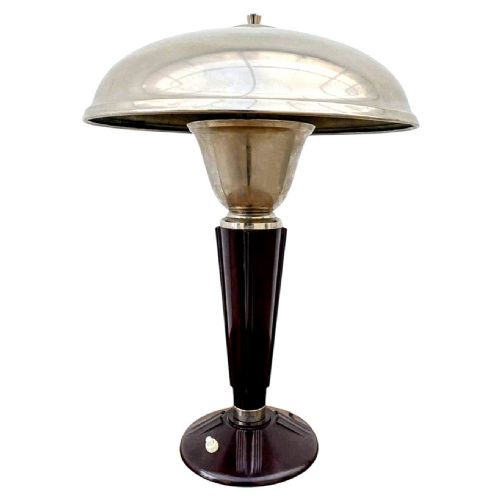
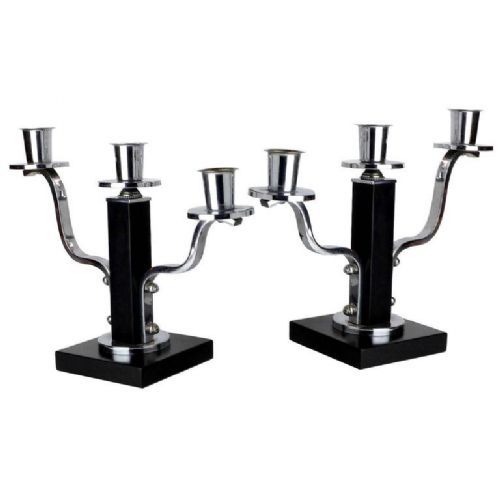
Bakelite lighting encompasses desk lamps, table lamps, and wall lights created predominantly during the 1920 and 1930 periods. These pieces demonstrate the distinctive Art Deco and Modernist aesthetic, often pairing rich brown or black phenolic resins with gleaming metallic accents.
Buyers encountering this selection will frequently find streamline desk lamps and matching pairs of wall sconces. Originating from French and British workshops, these fixtures combine practical illumination with the sculptural forms characteristic of early industrial plastics.
Materials and construction
The primary material is Bakelite, an early form of plastic shaped through heat and pressure in precision steel moulds. Manufacturers frequently combined this dense, durable polymer with chrome, nickel, and glass components to create robust electrical fittings.
Art Deco styling dictated the clean lines and smooth surfaces achieved by these moulding techniques. Metal elements like chrome and frosted glass were integrated to contrast against the dark or colourful phenolic resins.
Bakelite Lighting Retail Price Guide 2026
Typical asking prices for bakelite lighting among the pieces listed under this phrase on Sellingantiques today, from the lower quarter to the upper quarter. They describe what is for sale here now, not the wider market.
Listings for bakelite lighting span the 1920 and 1930 periods, incorporating chrome, glass, and catalin materials.
Assessing quality and design
Distinction in these pieces lies in the complexity of the moulding and the successful integration of mixed materials. Superior examples feature intricate streamline profiling, two-tone colour contrasts, and harmonious combinations of Bakelite with high-grade chrome or catalin.
The sophistication of the silhouette defines the upper tier of the range, especially where designers utilised the material's plasticity to create geometric or architectural forms. Simpler utility versions sit lower down, lacking the sculptural ambition of named or iconic workshop designs.
Eileen Grey·E. Cole·Jumo
The Bakelite Lighting Glossary
- Bakelite
- An early synthetic thermosetting plastic formed from phenol and formaldehyde. It revolutionised manufacturing by allowing complex shapes to be moulded with high heat resistance.
- Catalin
- A cast phenolic resin developed in the 1927 period that allowed for brighter, translucent colours compared to traditional opaque Bakelite. It is frequently found in decorative lamps and vibrant accessories.
- Art Deco
- A design style prevalent during the 1920 and 1930 periods characterised by sleek geometric shapes, streamlined forms, and modern industrial materials. It strongly influenced lighting design of the era.
- Phenolic
- Referring to synthetic polymers derived from phenol, which form the chemical basis for both Bakelite and Catalin materials. These resins provided exceptional durability and electrical insulation.
Bakelite Lighting: Frequently Asked Questions
What is Bakelite lighting?
Bakelite lighting consists of electrical fixtures and lamps manufactured from early synthetic phenolic resins during the 1920 and 1930 periods. These pieces are celebrated for their durability and distinctive Art Deco designs.
They bring tactile warmth and industrial history into a room, often serving as sculptural desk or wall ornaments.
How do I date these lamps?
Dating relies on the stylistic markers of the Art Deco and Modernist movements, alongside the specific types of moulded plastics utilised. Most surviving examples originate from the interwar decades.
Examining the combination of materials, such as frosted glass paired with chrome and phenolic resin, helps confirm the manufacturing era.
Where were these lights used?
These fixtures were designed for domestic and commercial interiors, including studies, offices, and living spaces. Desk lamps provided focused task lighting, while wall sconces illuminated hallways and reception rooms.
Their robust construction made them suitable for everyday functional use in modern interwar homes.
How do I clean Bakelite?
Bakelite requires gentle maintenance using a soft, damp cloth to remove dust without harming the cured resin surface. Abrasive cleaners and harsh chemicals should be avoided to preserve the original polish.
Keeping the material away from excessive moisture ensures the longevity of both the plastic housing and any integrated metal components.