




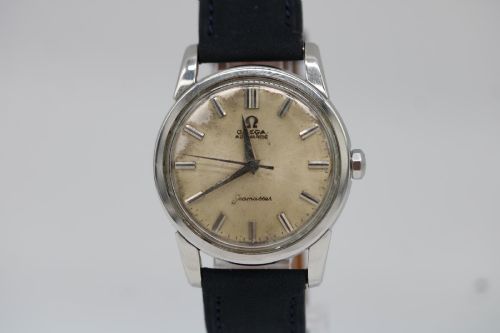
Automatic Wristwatch
An automatic wristwatch winds itself using the natural movement of the wearer's wrist, offering daily reliability and mechanical charm.
Automatic Wristwatch
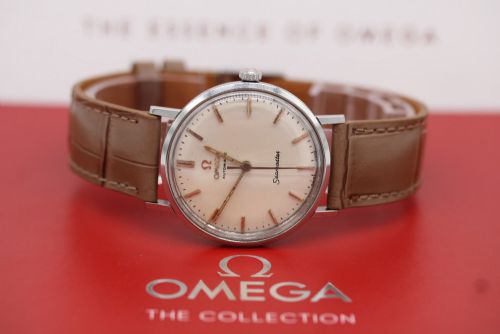
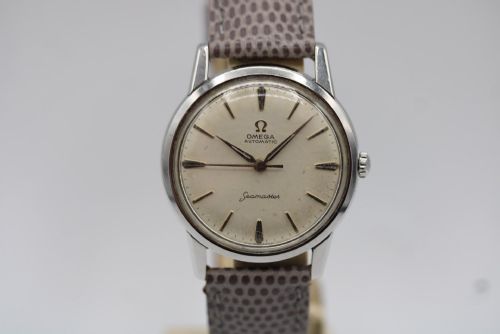
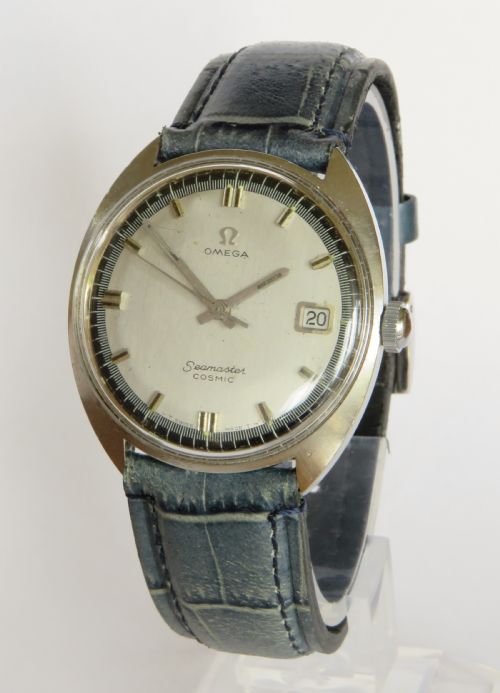
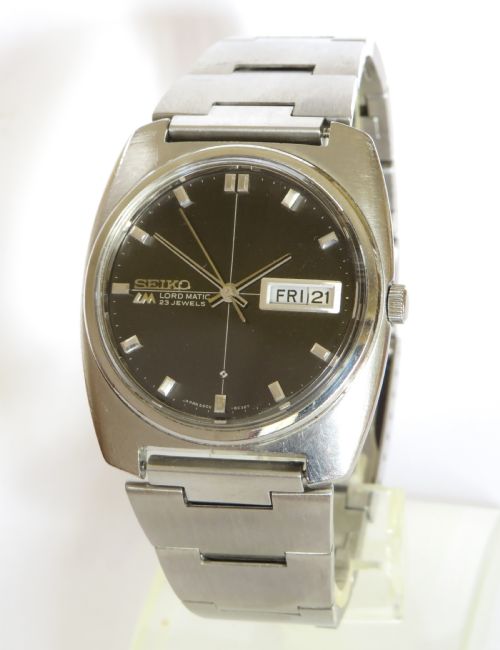
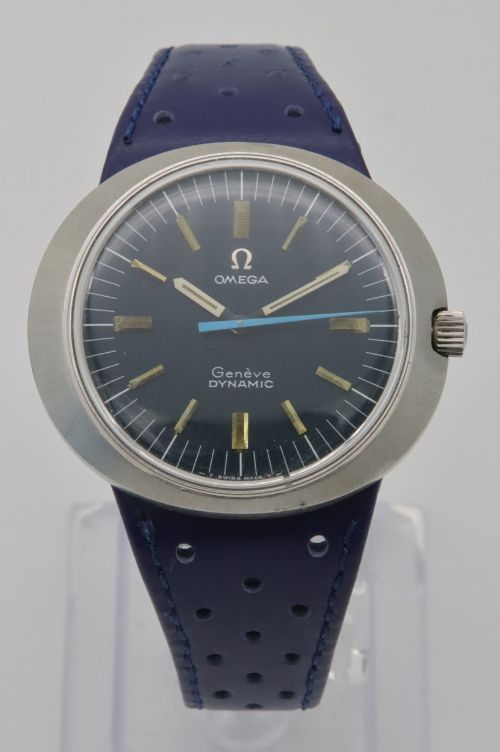
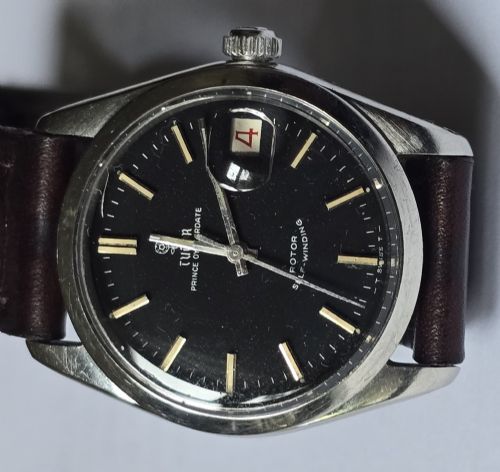
An automatic wristwatch represents a self-winding timepiece powered by an internal rotor that moves as the wearer moves. Buyers searching for an automatic wristwatch encounter examples predominantly originating from the nineteen-fifties and nineteen-sixties periods.
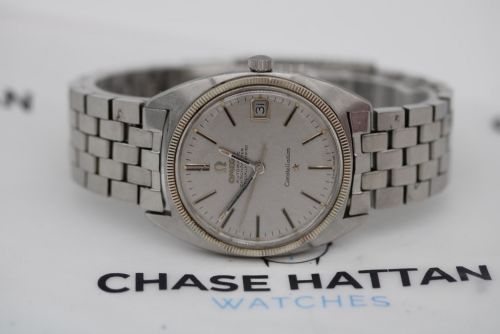
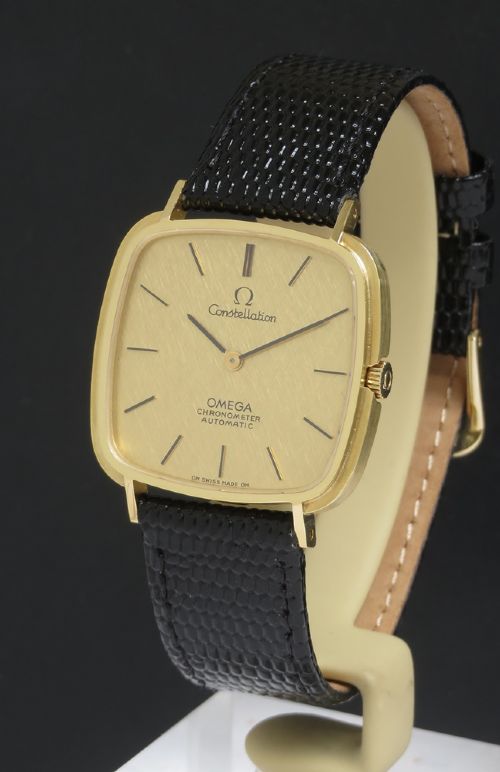
The selections span distinct Mid-Century styles, including Mid-Century Modern and nineteen-seventies retro designs. Wristwatches and wristwatch variations appear frequently across stainless steel, gold plate, and solid gold housings.
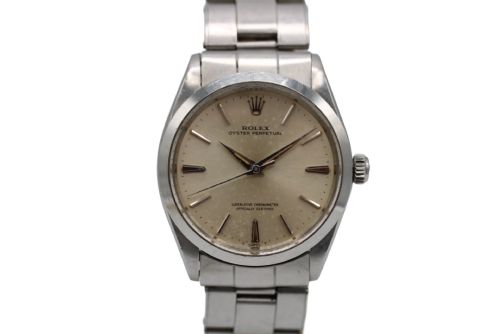
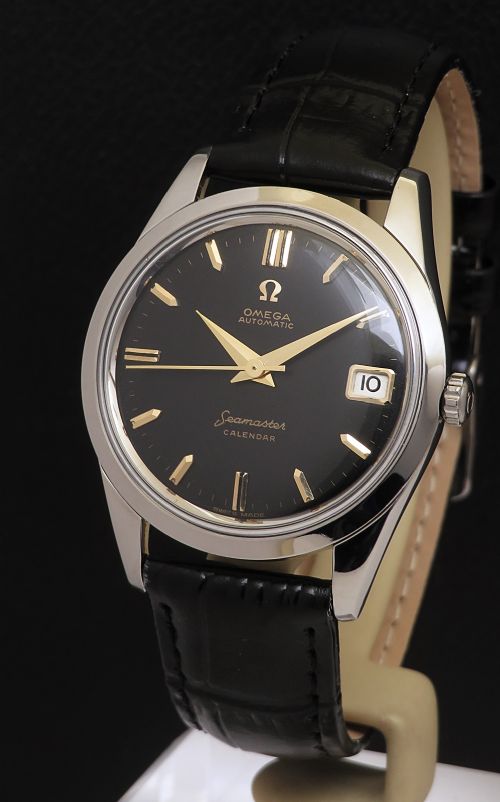
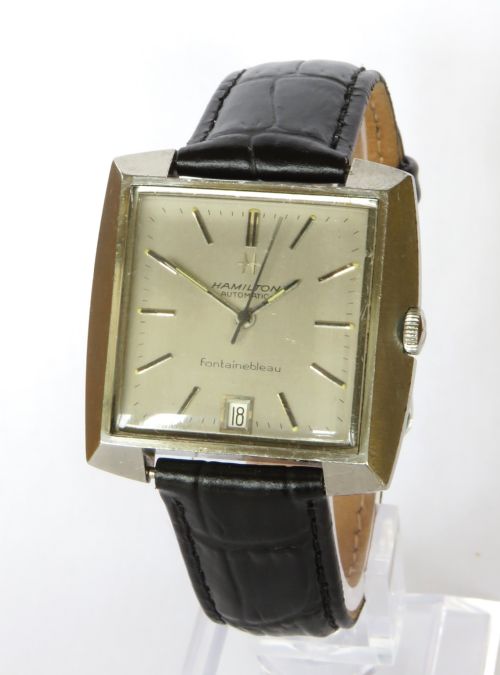
The version most commonly met on this page is the mid-century gent's dress or calendar watch, often housed in steel or yellow gold. These pieces embody the mechanical transition era before quartz movements dominated the market.
How they were made
Watchmakers constructed these cases using stainless steel, gold plate, yellow gold, and solid nine-carat or eighteen-carat gold. Dials protected by glass or acrylic crystals housed mechanical movements driven by springs and gears.
Early automatic calibres utilised bumper mechanisms that oscillated back and forth rather than rotating fully. Later movements incorporated central rotating rotors alongside calendar functions and chronometer certifications.
Automatic Wristwatch Retail Price Guide 2026
Typical asking prices for automatic wristwatch among the pieces listed under this phrase on Sellingantiques today, from the lower quarter to the upper quarter. They describe what is for sale here now, not the wider market.
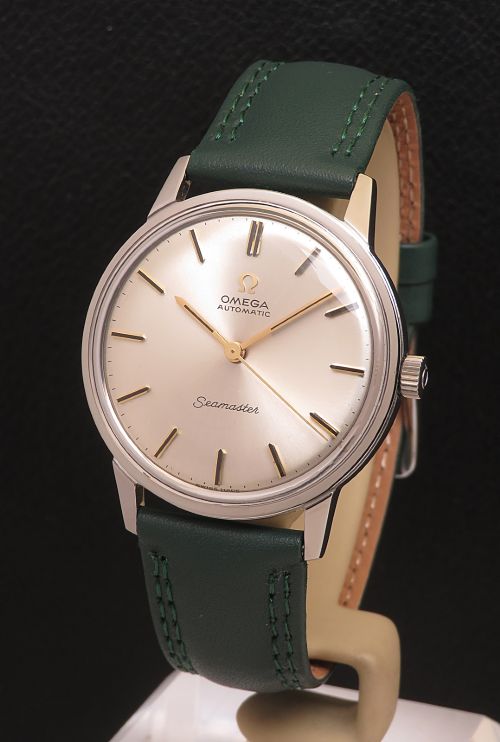
Listings span pieces from the nineteen-fifties and nineteen-sixties, utilising leather straps, stainless steel, and solid nine-carat or eighteen-carat gold.
What varies in quality
The calibre inside determines much of the horological standing, with chronometer-grade movements sitting above standard commercial calibres. Materials also set pieces apart, moving from gold-plated brass up to solid nine-carat and eighteen-carat gold cases.
Originality defines the upper echelon of the market, separating unpolished, untouched dials and cases from restored or refinished examples. Documentation such as original boxes and papers elevates the status of surviving pieces.
Omega·Tudor·Hamilton·Seiko·Festina·IWC·Bucherer·Avia·Tissot·Wittnauer·Longines·Baume·Eterna·Prisma·Rolex·Consul
The Automatic Wristwatch Glossary
- Bumper automatic
- An early self-winding movement where a weighted hammer swings back and forth against buffer springs to wind the mainspring. This mechanism imparts a distinct physical thud to the wrist during wear.
- Chronometer
- A high-precision timepiece that has been tested and certified to meet strict accuracy standards over various temperatures and positions. These movements represent superior mechanical adjustment.
- Calibre
- The specific internal mechanical movement manufactured to drive the watch hands and complications. Makers stamp identification numbers onto these plates.
- Acrylic glass
- A lightweight, shatter-resistant plastic crystal material commonly used on mid-century watch faces. It can be easily polished to remove surface scuffs.
Automatic Wristwatch: Frequently Asked Questions
How do I wind an automatic wristwatch?
An automatic wristwatch winds itself automatically through the kinetic motion of your arm during normal daily wear. If the watch has stopped completely, give the crown a few manual rotations to jump-start the movement before putting it on.
Unlike manual-wind watches, you cannot generally overwind an automatic piece because an internal slipping bridle releases the mainspring once fully tensioned. However, manual hand-winding from a complete stop helps the rotor engage smoothly.
Are these watches waterproof?
Most vintage automatic wristwatches lack modern waterproofing standards and should be kept away from water entirely. Seals, gaskets, and crowns degrade over decades, leaving the movement vulnerable to moisture ingress.
Even pieces branded as dive watches or water-resistant models require professional pressure testing by a watchmaker before any exposure to water. Treat these items as splash-resistant at best.
How accurate are vintage automatic watches?
Vintage automatic watches typically run within a tolerance of a few seconds to a minute per day, depending on their condition and service history. Chronometer-certified models generally maintain tighter accuracy than standard commercial movements.
Age, lubrication wear, and positional variance all affect daily timekeeping performance. Regular servicing by a qualified horologist helps maintain optimal accuracy.
What is a bumper automatic movement?
A bumper automatic is an early form of self-winding mechanism where the internal rotor swings through an arc of about two hundred and seventy degrees rather than spinning in a full circle. Springs at either end bounce the weight back in the opposite direction.
Wearers feel a gentle tap or bump on their wrist as the weight moves. This design characterises many watches produced during the nineteen-fifties.