




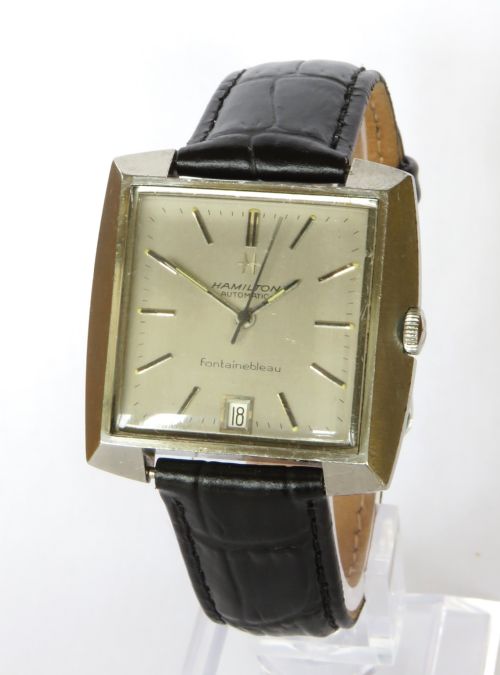
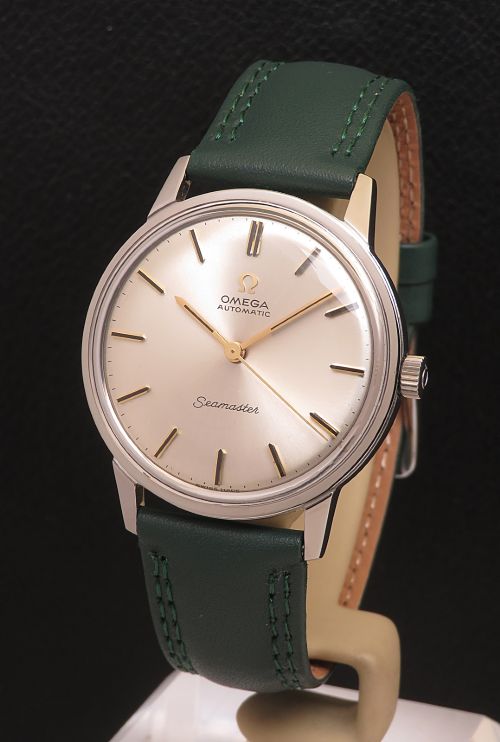
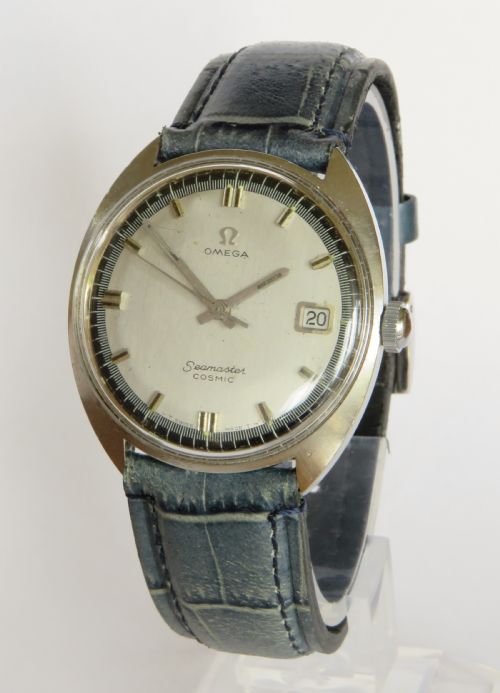
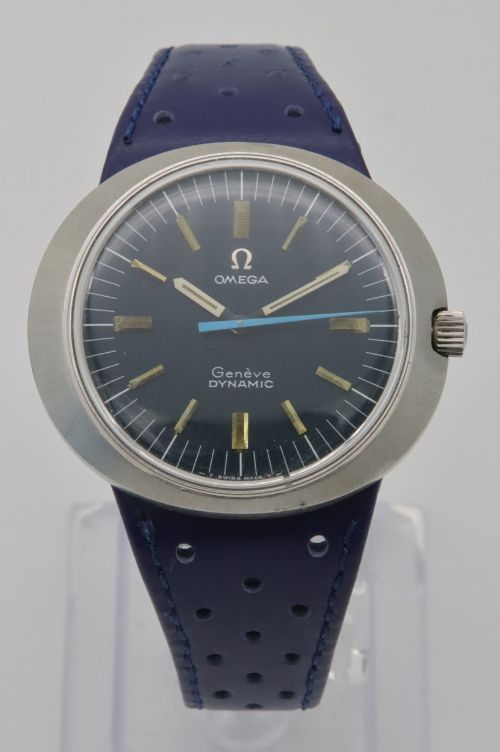
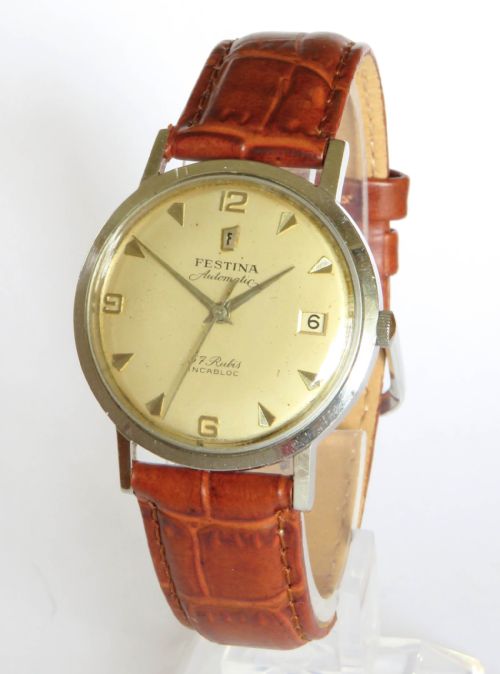
Automatic Leather Wristwatch
An automatic leather wristwatch brings mid-century mechanical precision to the wrist, driven by the natural movement of the arm.
Automatic Leather Wristwatch
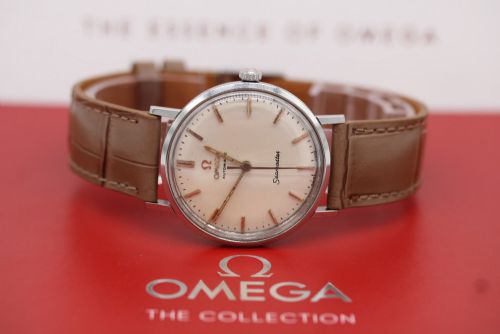
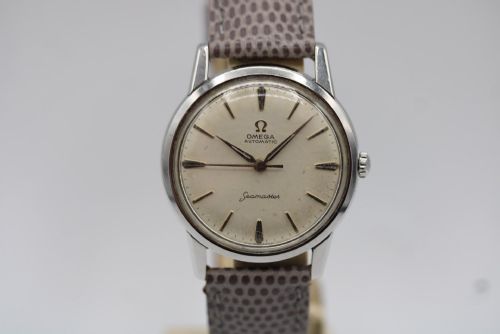
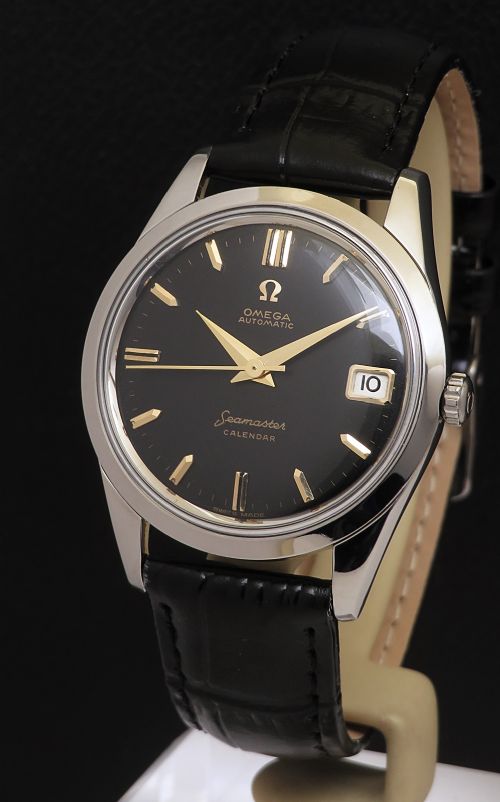
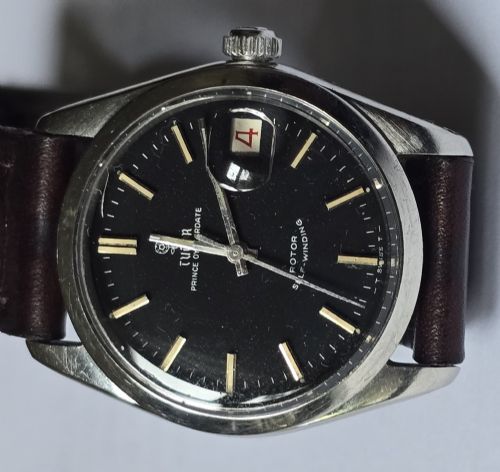
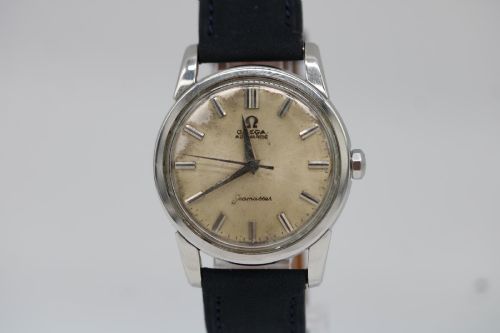
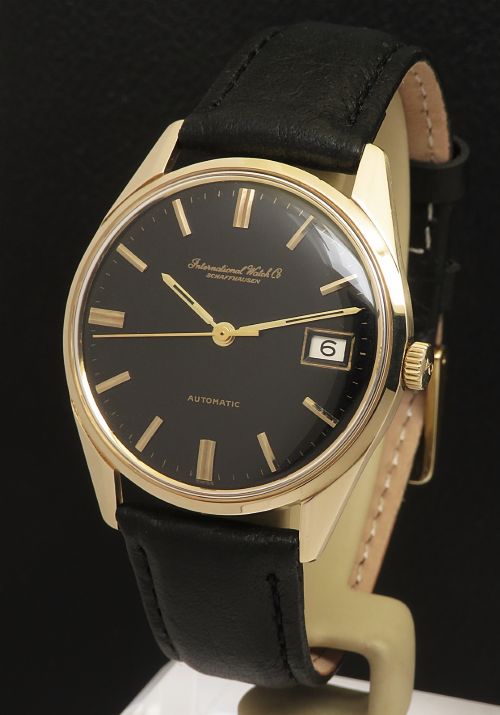
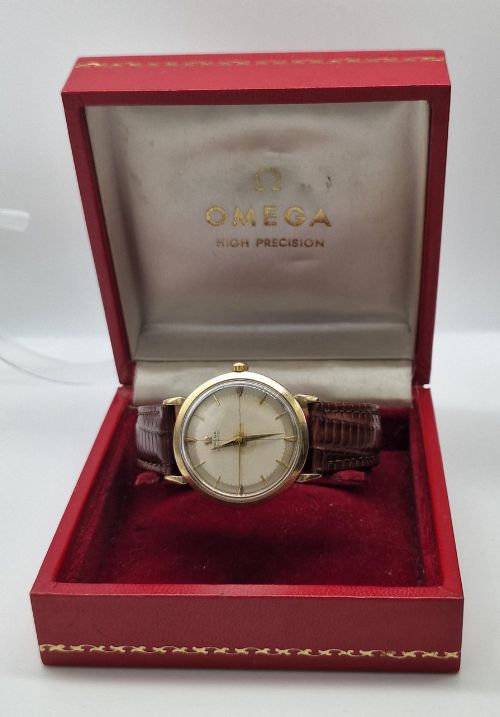
An automatic leather wristwatch represents the mechanical innovation of the mid-twentieth century, combining self-winding movements with traditional hide straps. These timepieces originate primarily from the 1940s, 1950s, and 1960s, reflecting the design sensibilities of the post-war era.
Horological houses of Switzerland and beyond produced these wristwatches during decades defined by functional elegance. Styles span mid-century modern lines, robust divers, and dress models intended for daily wear.
How they were made
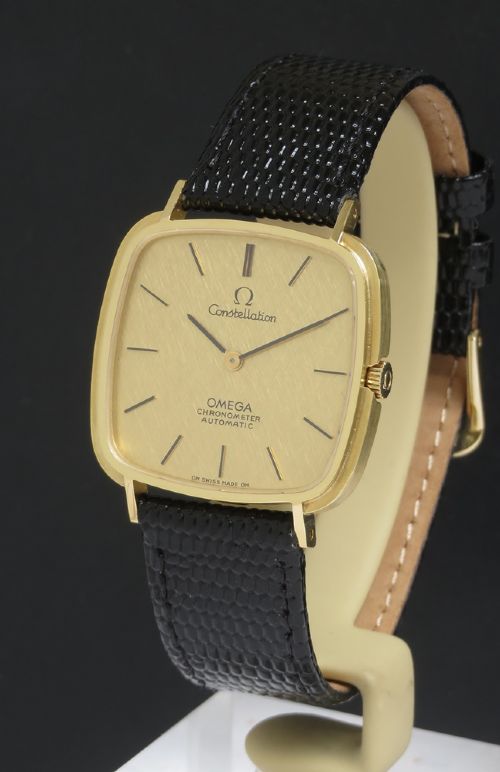
Cases utilise metals such as stainless steel, gold plate, solid 9ct gold, and 18ct gold, shaped to house intricate mechanical movements. Early examples rely on bumper automatic mechanisms, while later decades adopt rotor-driven movements that wind continuously with arm motion.
Dials sit beneath protective covers of glass or acrylic glass, safeguarding painted markers, applied numerals, and delicate hands. Straps consist of treated leather fastened with metal buckles, designed to secure the watch snugly to the wrist.
Automatic Leather Wristwatch Retail Price Guide 2026
Typical asking prices for automatic leather wristwatch among the pieces listed under this phrase on Sellingantiques today, from the lower quarter to the upper quarter. They describe what is for sale here now, not the wider market.
Listings span the 1940s, 1950s, and 1960s, featuring stainless steel, gold plate, and solid gold alongside leather straps.
What varies in quality
The grade of a timepiece rests on the preservation of its original components and the complexity of its internal calibre. Examples featuring chronometer-certified movements or solid gold cases stand apart from gold-plated variants with standard movements.
Manufacturing excellence shows in the crispness of dial printing, the finish of the case edges, and the operational stability of the self-winding mechanism. Preserved boxes and original paperwork further distinguish exceptional examples from standard survivors.
Omega·Tudor·Hamilton·Festina·IWC·DeRe·Bucherer·Avia·Tissot·Wittnauer·Longines·Baume·Eterna·Prisma·Consul
The Automatic Leather Wristwatch Glossary
- Automatic
- A mechanical watch movement that winds itself using the natural motion of the wearer's arm. It eliminates the need for daily manual winding.
- Bumper automatic
- An early self-winding movement design where the internal weight swings back and forth against springs rather than rotating in a full circle. This movement style is characteristic of the 1940s and 1950s.
- Chronometer
- A high-precision watch movement that has passed rigorous accuracy tests conducted by an official testing institute. These movements maintain exact time under various temperatures and positions.
- Calibre
- The specific manufacturer's designation for a particular watch movement model. Collectors use the calibre number to identify the exact internal engineering of a timepiece.
- Acrylic glass
- A lightweight, shatter-resistant plastic material used for watch crystals during the mid-century period. It can be polished easily to remove surface scratches.
Automatic Leather Wristwatch: Frequently Asked Questions
How do I wind an automatic watch?
An automatic watch winds itself automatically through the motion of your arm while worn. If the watch has stopped entirely, give the crown a few manual turns to jump-start the movement before wearing.
Once on the wrist, normal daily activity keeps the mainspring tensioned. It requires no daily hand-winding unless left sitting idle for days.
Are these watches water resistant?
Mid-century wristwatches generally lack modern water resistance standards and gasket seals. Accidental splashes or rain may cause internal moisture damage.
Keep these vintage pieces away from swimming, showering, and prolonged immersion in water to preserve the internal mechanical components.
How do I change the leather strap?
Leather straps attach to the watch case using spring bars fitted between the lugs. Depressing the spring bar with a small tool releases the strap.
A replacement strap of the correct lug width slides into position, and the spring bars click securely back into the case holes.
Can I wear an automatic watch daily?
These timepieces were built for everyday wear during the mid-twentieth century and handle regular daily use well. Regular motion keeps the automatic rotor functioning properly.
Routine servicing by a qualified horologist every few years ensures the internal lubricants remain fresh and gears operate smoothly.