


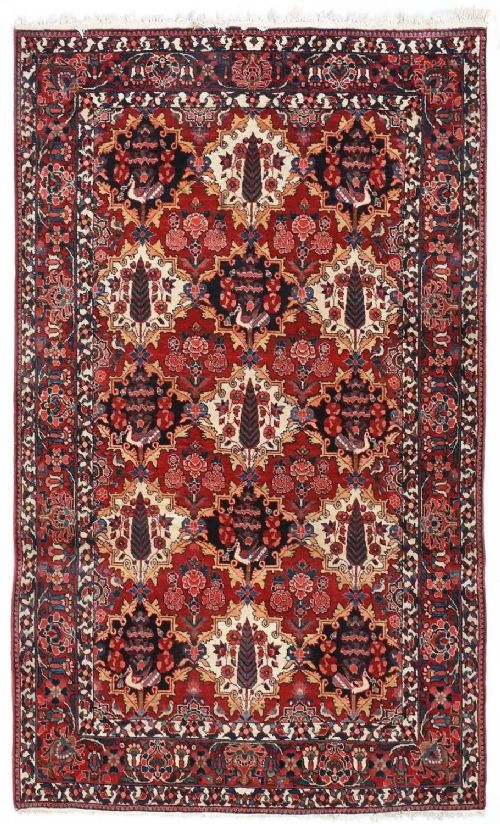
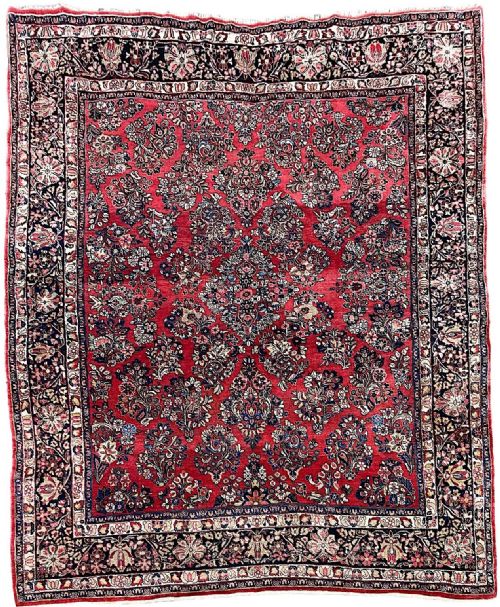
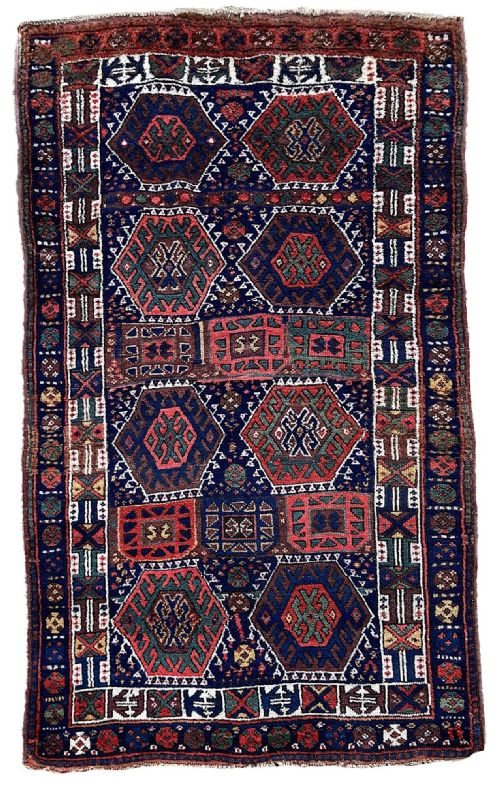


Authentic Oriental Rug
Authentic oriental rug pieces bring regional tribal artistry and enduring textile history directly into modern living spaces.
Authentic Oriental Rug
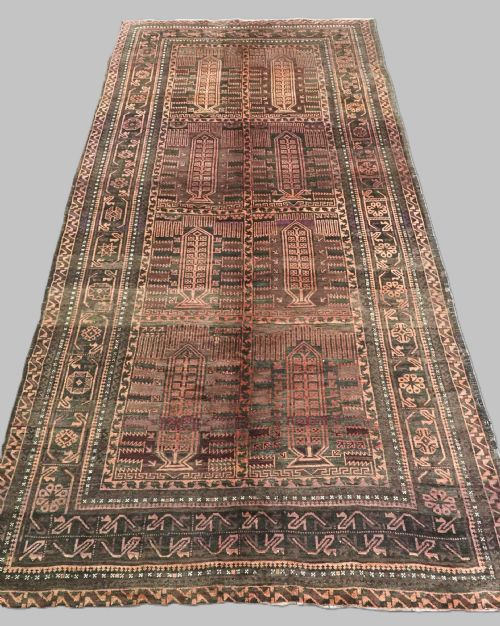
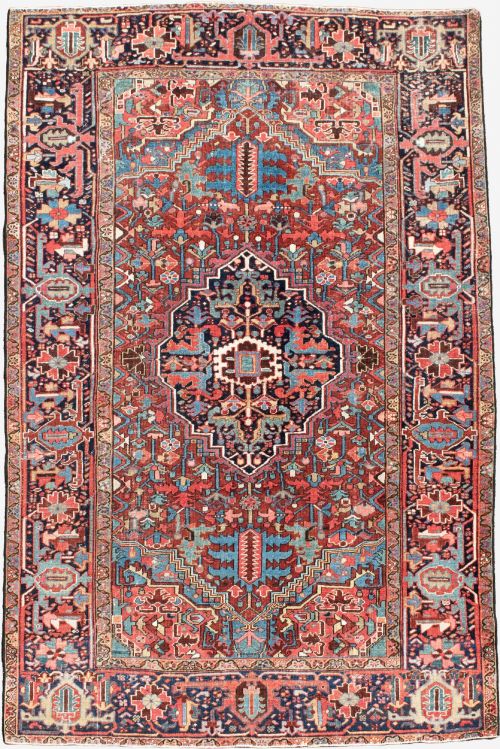
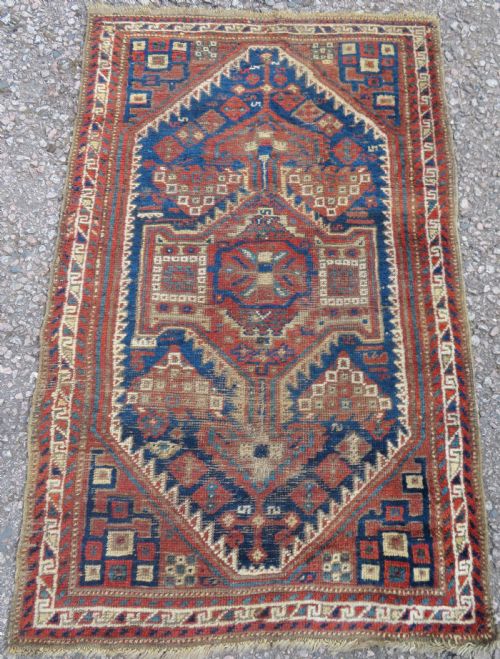
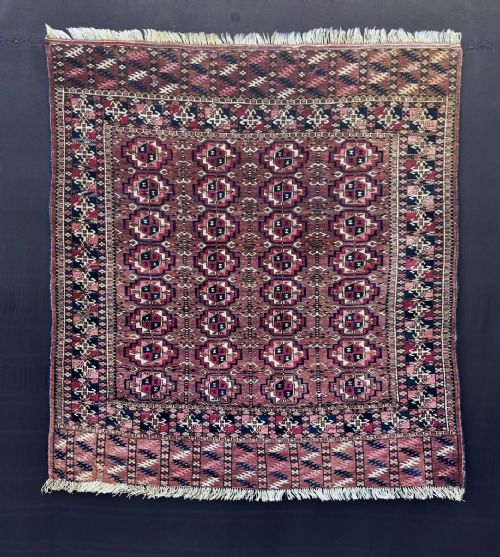
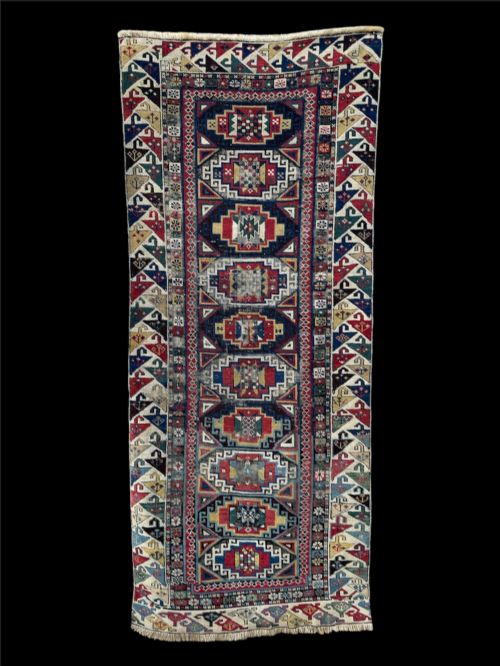
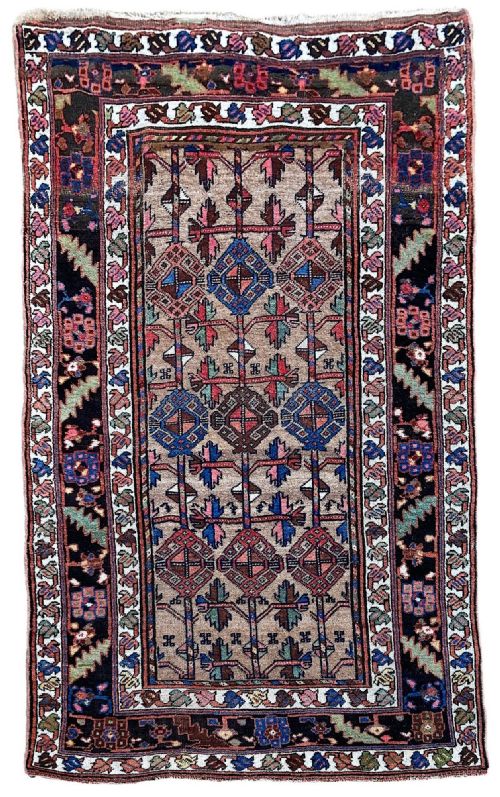
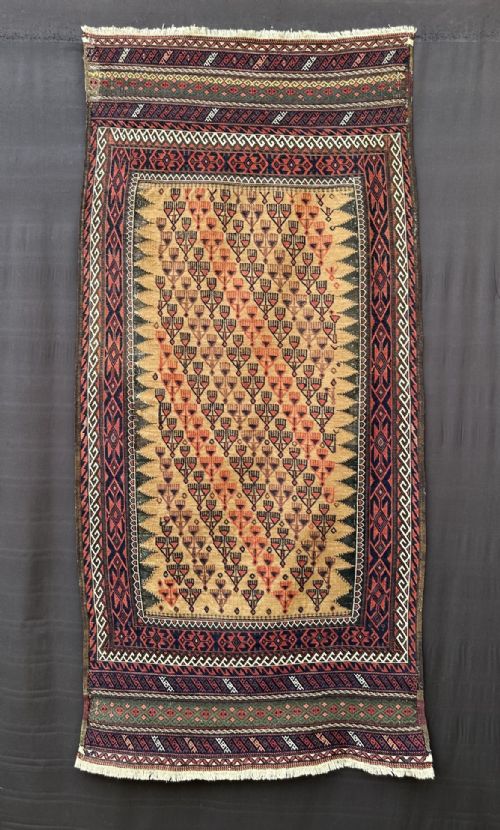
When searching for an authentic oriental rug, buyers encounter hand-knotted and flatwoven floor coverings originating from nineteenth- and early-twentieth-century traditions across Persia, the Caucasus, and Anatolia. These pieces encompass specific tribal and regional groups such as Heriz, Kazak, Kurdish, and Bakhtiar, each carrying distinct geometric or floral motifs.
The most common examples on this page are room-size carpets, smaller scatter rugs, and long runners woven by nomadic or village communities. These textiles served functional purposes in domestic and tribal life before finding appreciation among collectors for their graphical strength and saturated palettes.
Materials and construction methods
The foundation of these textiles relies predominantly on wool and cotton foundations, with many older examples utilising hand-spun wool for the pile. Natural dyes impart the varied colour spectrum found across the pieces, developing subtle shifts in tone over decades of exposure and use.
Weavers tied intricate knots onto warp and weft threads or created flatweaves such as kilims, incorporating leather elements or original backs on specific storage bags and smaller formats. The density of the knotting and the quality of the wool determine the weight and drape of each individual carpet.
Several pieces preserve their original leather backing and sturdy storage bag construction, ready for nomadic migration.
Distinctions in quality and execution
Superior examples display crisp drawing within the medallion or tribal motifs, alongside a harmonious saturation of natural dyes that impart depth to the wool pile. The handling of secondary borders and the precision of the weave distinguish master workshops from simpler village output.
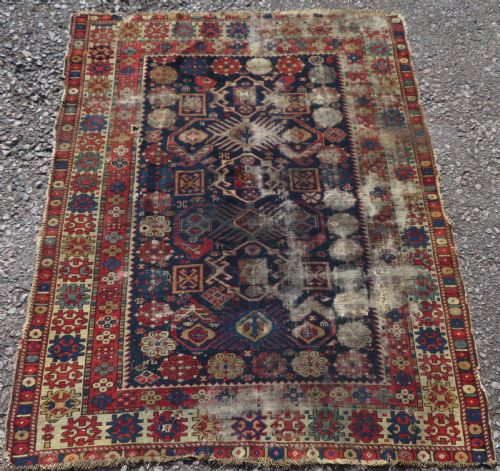
Condition and integrity of the original edges, foundations, and pile height dictate the standing of a piece within its type. Even when surface wear shows the history of use, uniform pile and intact selvedges separate better-preserved specimens from heavily compromised examples.
The Authentic Oriental Rug Glossary
- Warp
- The stationary vertical threads stretched across the loom upon which the pile knots are tied. They form the structural skeleton of the rug.
- Weft
- The horizontal threads passed alternately over and under the warp threads to secure the rows of knots. These determine the firmness of the textile structure.
- Pile
- The vertical surface of yarn created by knotted ends that stand up from the foundation. This creates the tactile face of the carpet.
- Selvedge
- The reinforced side finish of a rug formed by binding the outermost warp threads. This prevents the edges from fraying.
- Medallion
- A large central ornamental design motif placed in the field of the rug. It often anchors the entire geometric or floral composition.
Authentic Oriental Rug: Frequently Asked Questions
How do I clean an antique rug?
Gentle surface vacuuming without a beater bar removes loose grit and dust from the wool pile. Professional textile conservators should handle wet washing to prevent dye migration.
Harsh chemical detergents and excessive scrubbing damage natural fibres and age the wool prematurely. Regular rotation distributes foot traffic evenly across the surface of the carpet.
How can I date my rug?
Stylistic indicators, structural analysis of the foundation, and dye types provide reliable clues for establishing the period of origin. Natural dye palettes combined with hand-spun wool point toward nineteenth- or early-twentieth-century production.
Comparisons with documented examples from specific tribal groups help narrow the decade of manufacture. Minor structural irregularities often confirm traditional hand-weaving methods.
Are these rugs suitable for heavy traffic?
Durable wool pile and sturdy cotton or wool foundations allow these textiles to withstand normal residential use. Placing a quality underlay beneath the rug prevents slippage and cushions the fibres against floorboards.
High-traffic hallways benefit from robust runners that distribute wear evenly along their length. Periodic rotation keeps the pile from wearing down in localised spots.