



Authentic Oriental Carpet
An authentic oriental carpet brings decades of hand-knotted heritage into a room, spanning tribal runners and grand Persian room-sizes from the nineteenth and early twentieth centuries.
Authentic Oriental Carpet
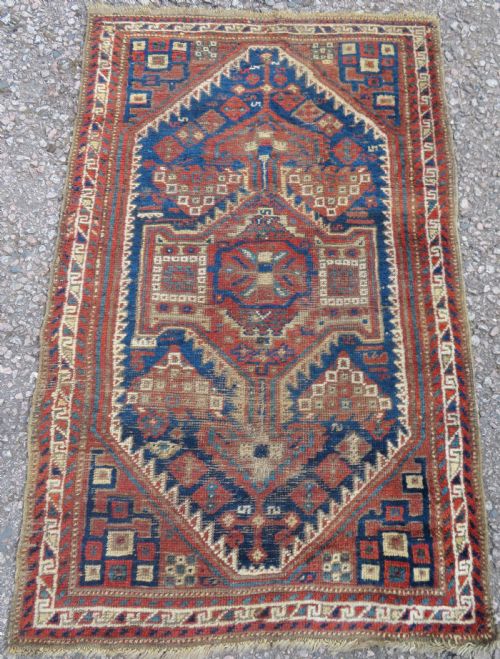
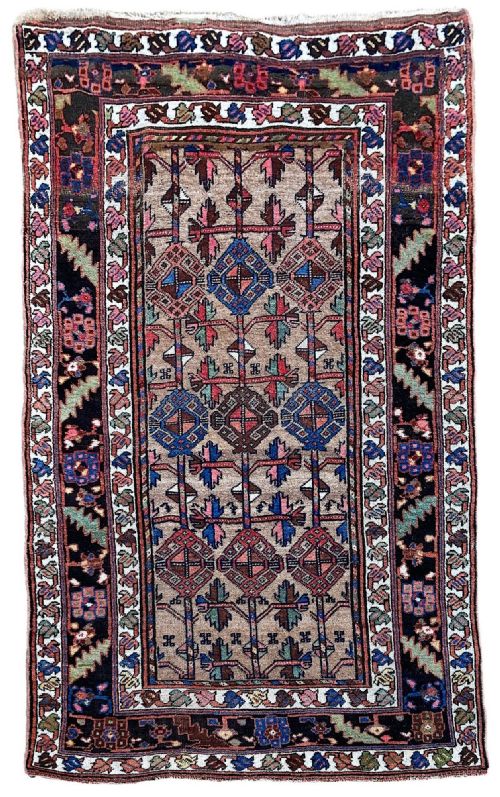
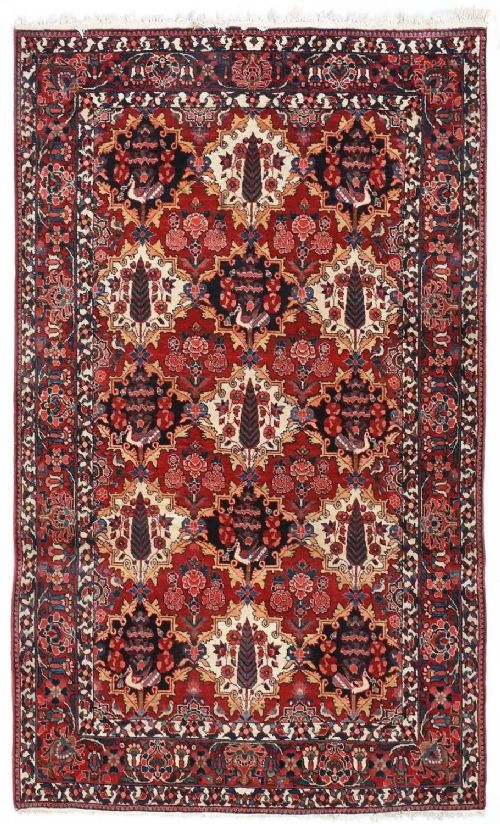
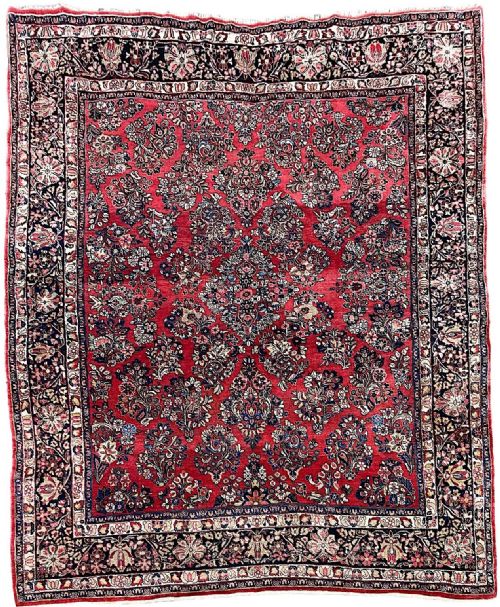
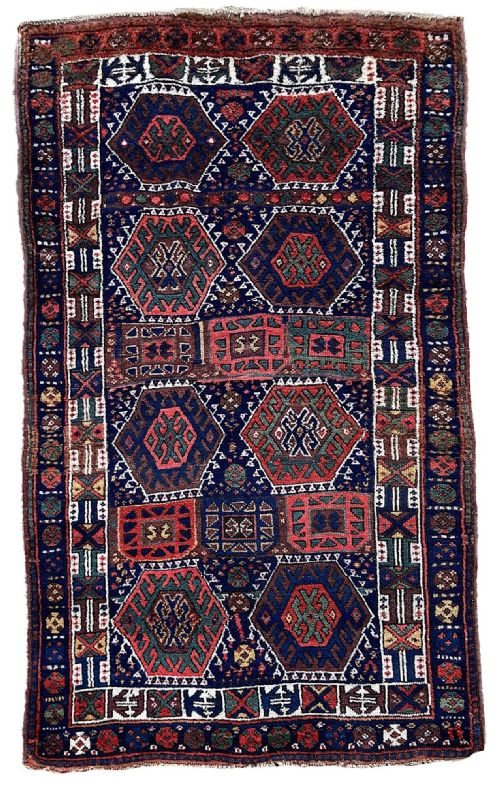
When you search for an authentic oriental carpet, you encounter woven textiles originating from Persian, Caucasian, Anatolian, and Turkmen traditions. These pieces range from small tribal prayer rugs and nomadic bags to large room-size carpets woven across the nineteenth and early twentieth centuries.
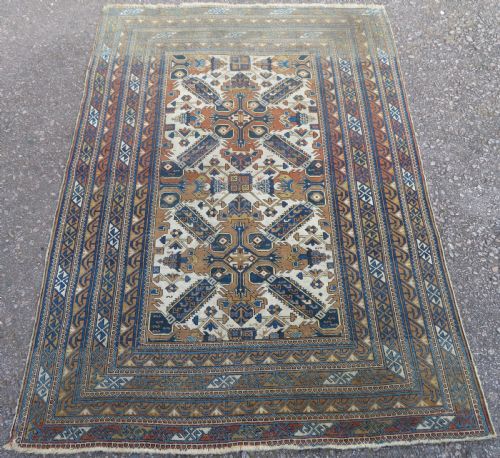
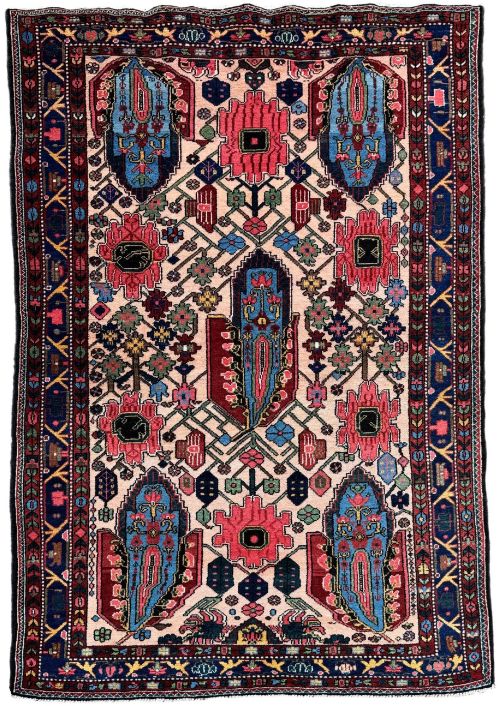
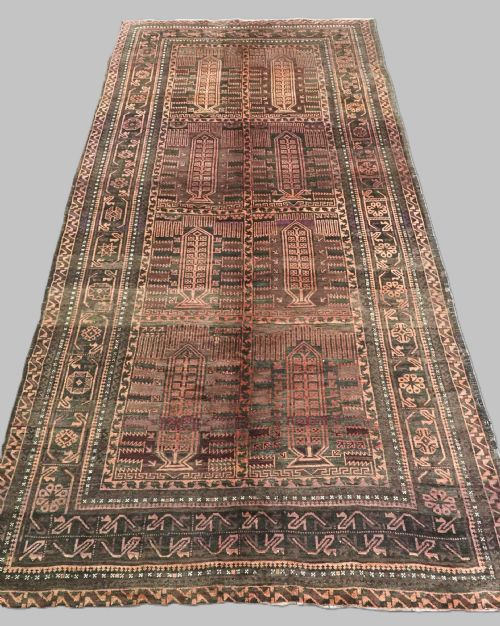
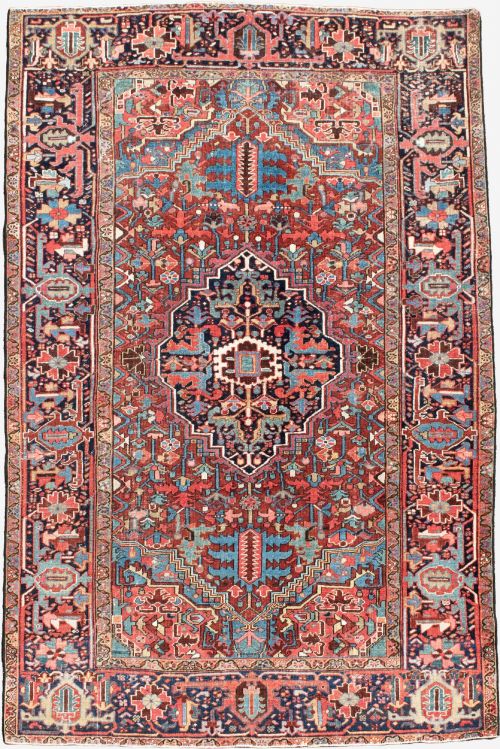
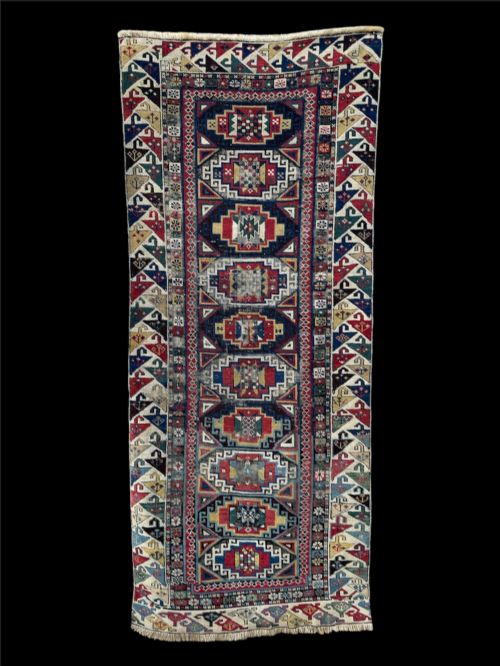
The most common format on this page is the room-size or area carpet, particularly Heriz and Bakhtiar weaves from Persia, alongside geometric runner formats from the Caucasus. Workshops and nomadic weavers produced these floor coverings for daily use, incorporating traditional regional motifs that identify their origin.
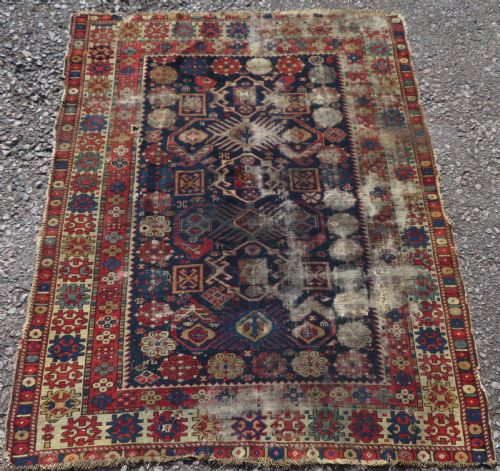
Older examples frequently display natural wear and distressed surfaces resulting from decades of foot traffic, distinguishing genuine antique floor coverings from modern reproductions. Collectors select these textiles for their historic resonance and regional design integrity.
Materials and construction methods
These carpets rely primarily on wool piles knotted onto cotton or wool foundation warps and wefts, utilising hand-spun fibres that absorb natural dyes unevenly to create subtle variations in tone. Weavers employed vertical looms, tying symmetric or asymmetric knots by hand across months of labour.
Natural dyestuffs derived from plants and minerals provided the characteristic palette seen in nineteenth-century and early twentieth-century examples, yielding deep indigo blues, madder reds, and earthy yellows that mellow gracefully over time.
The listings span eight distinct decades of production, anchored primarily in the nineteenth and early twentieth centuries.
Distinctions in weaving quality
Quality rests upon the density of the knotting and the precision of the tribal or village design execution, where finer knots permit sharper geometric or floral delineation. The purity of the natural dyes and the resilience of the hand-spun wool dictate how well the pile ages under foot.
Structural integrity of the foundational warps and wefts, alongside the originality of the side selvages and end finishes, separates standard utility pieces from exceptional village and nomadic examples.
The Authentic Oriental Carpet Glossary
- Warp
- The vertical foundation threads stretched lengthwise on the loom before knotting begins. The fringe of a finished carpet is typically formed by the extended warp threads.
- Weft
- The horizontal threads passed alternately over and under the warp threads between rows of knots to secure the pile. These threads stabilise the structural grid of the textile.
- Gul
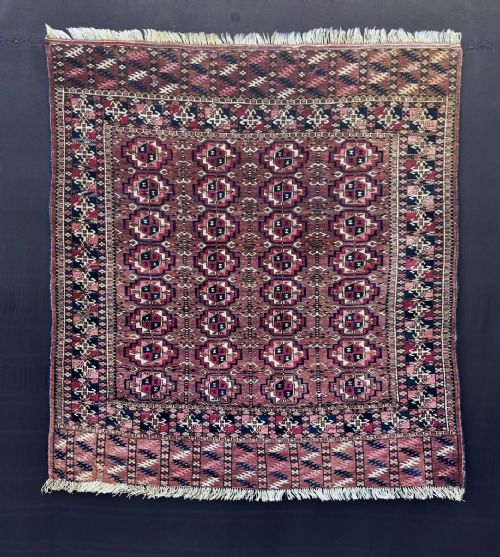
- An octagonal medallion or floral motif repeated across Turkmen and tribal carpets. Each specific tribe used distinct gul designs to signal identity and heritage.
- Torba
- A small ornamental wall-hanging bag or storage sack produced by nomadic tribes. These pieces display intricate pile-woven designs similar to larger main carpets.
- Selvage
- The reinforced outer edge binding running parallel to the length of the carpet. Original selvages protect the side cords from fraying and indicate untouched condition.
Authentic Oriental Carpet: Frequently Asked Questions
How do I identify a tribal rug?
Tribal rugs usually display geometric motifs, memory-driven village patterns, and asymmetric layouts rather than formal court designs. They are woven by nomadic or village groups working outside urban workshops.
Materials in these pieces tend to feature coarse hand-spun wool and deeply saturated natural dyes, reflecting the immediate environment of the weaver.
Where should I place a runner?
Runners suit high-traffic narrow spaces such as hallways, corridors, and staircases where a long rectangular format fits the floor plan. Their elongated proportions guide movement through a home.
When positioning a runner, ensure the floor underneath uses a breathable underlay to prevent slipping and reduce friction on historic foundations.
How do I care for an antique carpet?
Vacuum these textiles gently with suction only, avoiding beater bars that can catch historic wool loops and fray the old pile. Professional cleaning by specialists in antique oriental textiles preserves the natural lanolin in the fibres.
Keep the carpet out of direct, continuous sunlight to prevent the natural dyes from fading unevenly across the room-size surface.
What causes a distressed finish?
Distressed finishes result from decades of natural foot wear, environmental exposure, and gentle washing that lowers the pile height. This aged texture is a hallmark of genuine antiquity rather than a modern manufacturing defect.
Collectors prize authentic surface wear when the underlying wool structure remains stable and secure across the foundation.