



Austrian Terracotta Art
Austrian terracotta art brings vibrant figural expression and dramatic surface finish into a room.
Austrian Terracotta Art
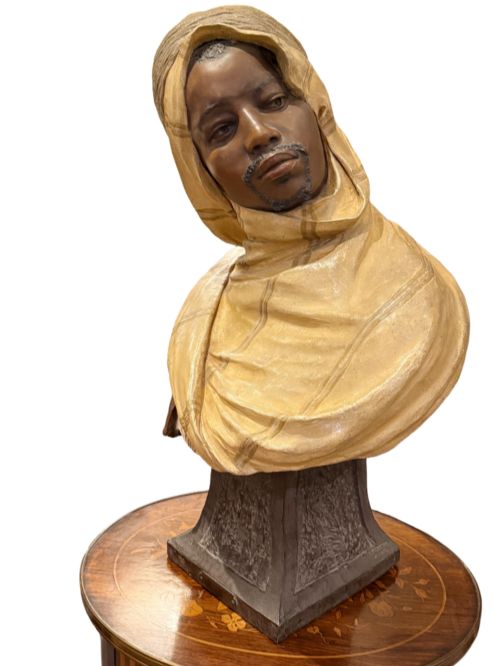
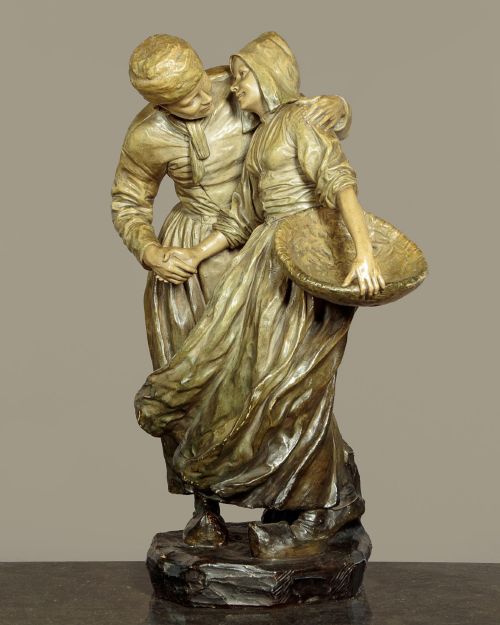
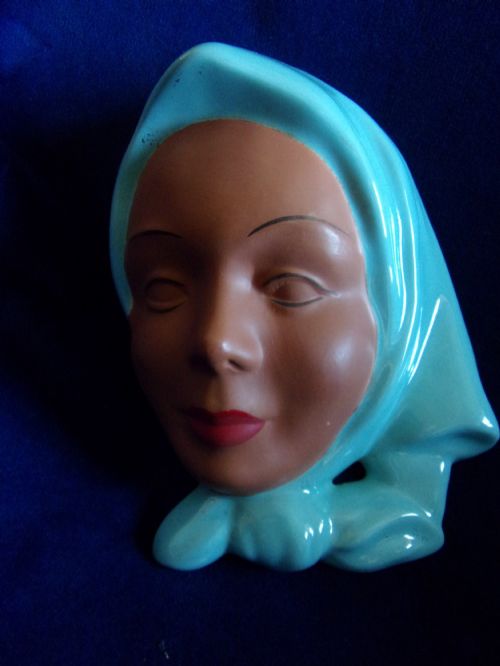
Austrian terracotta art encompasses figural sculptures, busts, wall masques, decorative ewers, and benches produced across the late nineteenth and early twentieth centuries. These pieces capture distinct aesthetic movements, ranging from Orientalism and Classical Revival to the sweeping lines of Art Nouveau and the geometric forms of Art Deco.
A buyer examining this selection is most likely to encounter figurative works and portrait busts created in Vienna during the period around nineteen hundred. These sculptural objects frequently depict human subjects, from classical Roman figures and country maidens to specific character studies.
Makers in this category utilised earthenware and ceramic bodies shaped into detailed forms, then finished with pigment, polychrome paint, glazes, or bronzed surfaces. The resulting items function primarily as decorative art objects rather than utilitarian vessels.
How They Were Made
Makers shaped these pieces using slip casting and hand-modelling techniques to achieve fine detail in terracotta and earthenware bodies. The clay was fired before receiving its final surface treatment.
Austrian Terracotta Art Retail Price Guide 2026
Typical asking prices for austrian terracotta art among the pieces listed under this phrase on Sellingantiques today, from the lower quarter to the upper quarter. They describe what is for sale here now, not the wider market.
The listings span from eighteen seventy to nineteen thirty, with the majority centred on the year nineteen hundred.
What Varies in Quality
The preservation of the original surface finish dictates the visual impact of each piece. Intact polychrome paintwork and well-maintained bronzed or glazed surfaces retain the intended artistic expression of the workshop.
Friedrich Goldscheider·Ernst Whaliss·Gmundner
The Austrian Terracotta Art Glossary
- Terracotta
- A porous fired clay body that serves as the structural base for these sculptures. It is often painted or glazed.
- Polychrome Paint
- Multiple colours applied to the surface of the ceramic figure to depict skin tones, clothing, and natural details. This technique brings realism to the sculpture.
- Bronzed Finish
- A metallic coating applied to the earthenware body to simulate the appearance of cast bronze. It gives the piece a dark, lustrous sheen.
- Slip Cast
- A manufacturing method where liquid clay slip is poured into a mould to create hollow figural forms with consistent walls. This technique allowed workshops to produce detailed editions.
Austrian Terracotta Art: Frequently Asked Questions
What periods do these pieces date from?
The selection spans from the late nineteenth century through to the early twentieth century, capturing the transition from classical revivalism to modernist design.
Most examples emerge from the decades surrounding nineteen hundred, coinciding with the height of Viennese ceramic production and the Art Nouveau movement.
How should I clean my sculpture?
Dust the surface gently using a dry, soft brush to protect the delicate painted or bronzed finishes from abrasion.
Avoid using water, chemical cleaners, or damp cloths, as terracotta and earthenware bodies can absorb moisture and damage historic pigments.
Where were these pieces made?
These works originated primarily in Austria, with a strong concentration of workshops and studios operating out of Vienna.
Key makers established local factories that employed skilled modellers and painters to produce both figural sculptures and decorative objects.