


Austrian Bronze Animal
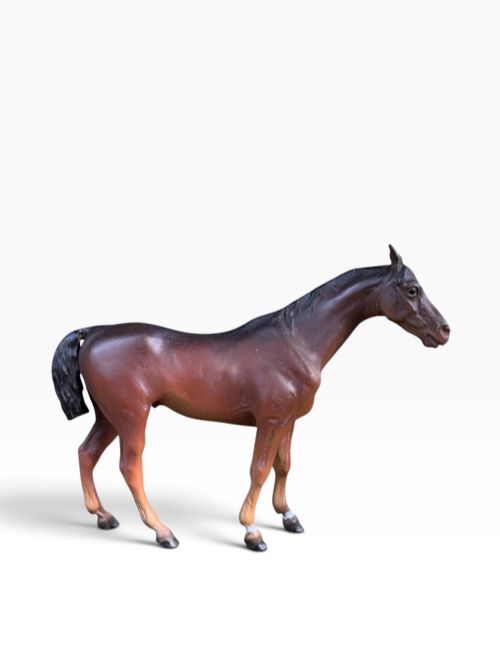
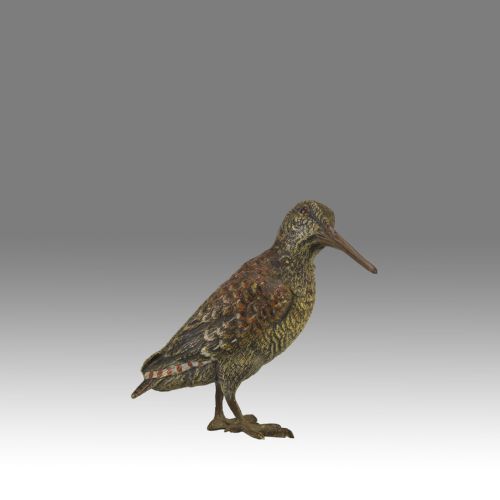
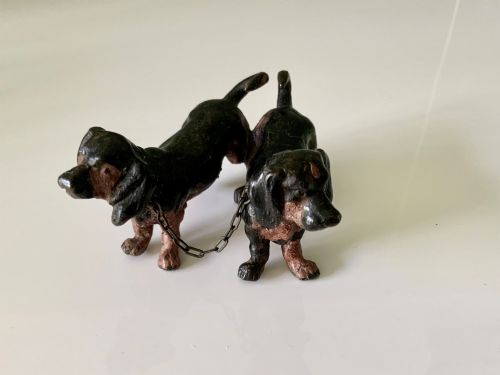
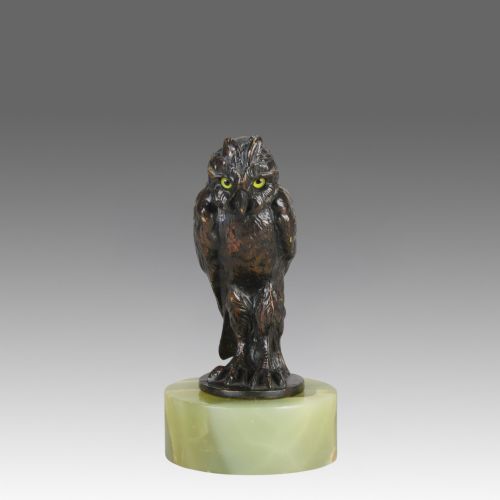
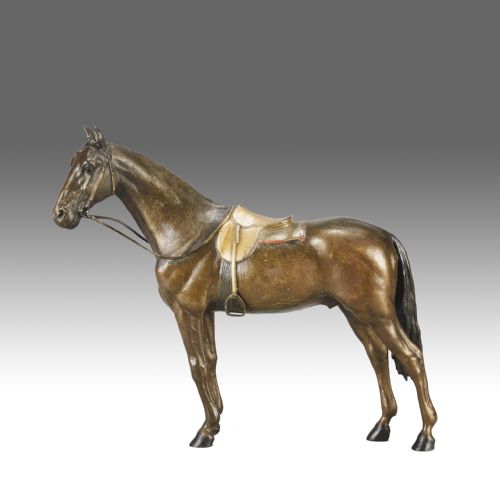
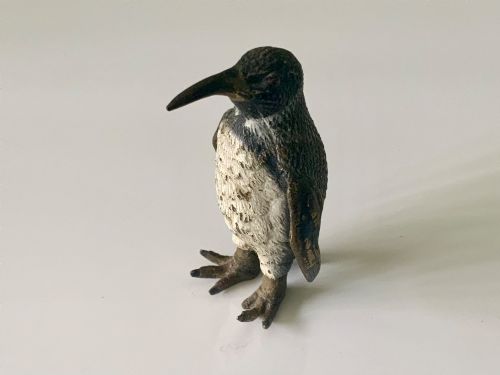
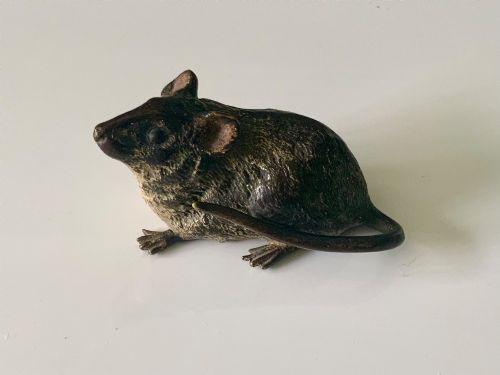
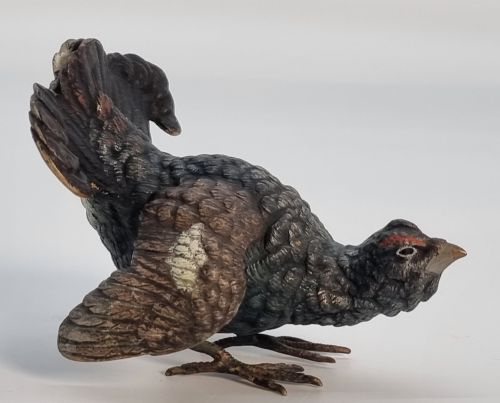
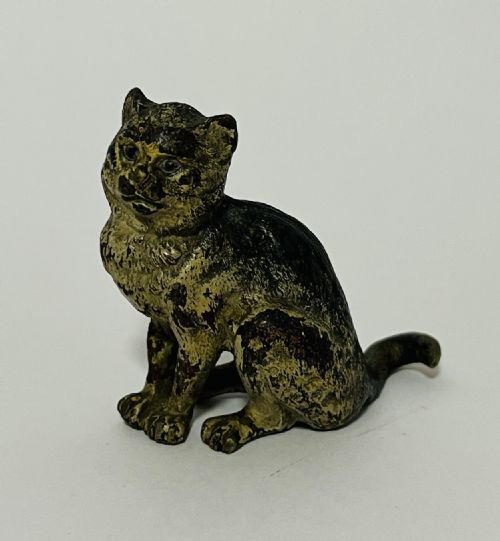
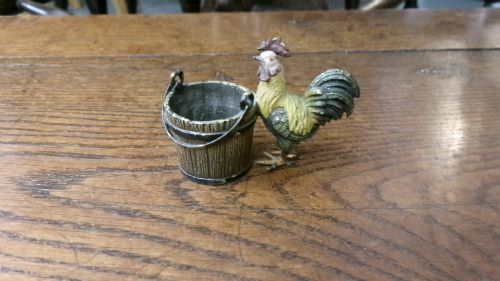
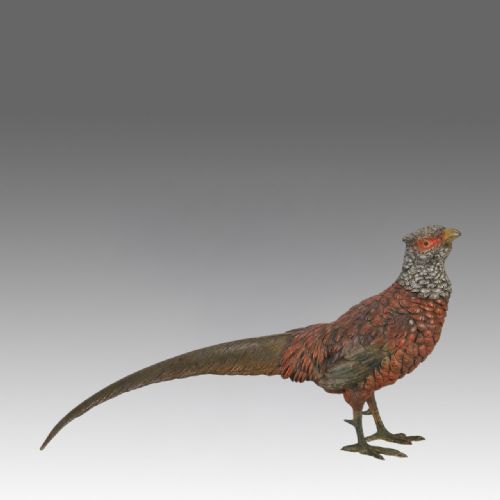
These small metal figures show the remarkable detail and vivid polychrome finishes of an austrian bronze animal, prized by collectors for their lifelike character.
Austrian Bronze Animal
When you search for an austrian bronze animal, you encounter small sculptural figures, figurines, and desk accessories depicting birds, dogs, horses, and wild creatures. These pieces emerge predominantly from the early twentieth century and the nineteenth century, reflecting the output of Viennese workshops.
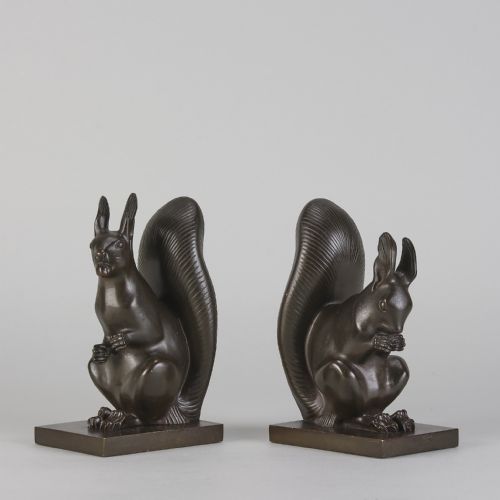
The most common form on this page is the cold-painted bronze figurine, often capturing domestic pets or wildlife such as pheasants, dogs, and horses with acute observation. Many function purely as sculptural studies, while others serve specific purposes like bookends, inkwells, or pin cushions.
Makers fashioned these sculptures to bring naturalism and character into domestic interiors, frequently mounting them on green onyx bases or incorporating functional elements. The styles span Vienna Bronze, Art Nouveau, and Art Deco, showing a distinct transition from naturalistic study to stylised form.
How they were made
Foundries cast these metal sculptures using traditional bronze methods, capturing fine anatomical details in the initial casting process before finishing the surfaces by hand. Metal and bronze form the core structural material for every piece.
Artisans then applied cold paint, polychrome paint, or cold-paint finishes directly onto the metal surface without firing the pigment in a kiln. This layered paint technique allowed for subtle shading on feathers, fur, and skin, creating the distinctive appearance associated with these sculptures.
The periods represented stretch from the nineteenth century through the Edwardian era into the early twentieth century, including Art Nouveau and Art Deco styles.
What varies in quality
Quality rests primarily in the crispness of the casting and the sensitivity of the hand-applied polychrome paint. Superior examples retain their original cold-painted surfaces with minimal loss, showing precise chisel work and lifelike posture in the animal subject.
Franz Bergman·Franz Gruber
The Austrian Bronze Animal Glossary
- Cold-painted bronze
- A metal sculpture finished with unfired polychrome paint applied by hand. This technique produces vibrant colour but requires careful handling to prevent flaking.
- Vienna bronze
- A specific style of small cast bronze originating from workshops in Vienna during the late nineteenth and early twentieth centuries. These pieces are celebrated for their naturalistic depiction of animals and human figures.
- Geschützt
- A German term meaning protected or registered, often stamped on metalwork to indicate a patented design or trademark. Its presence helps identify period manufacturing origins.
- Animalier
- A nineteenth-century artistic movement dedicated to the realistic portrayal of animals. Sculptors in this tradition focused on the accurate anatomy and behaviour of wildlife and domestic beasts.
- Polychrome paint
- Multi-coloured decoration applied to the surface of an object. In these sculptures, it provides realistic coloration to birds, dogs, and other subjects.
Austrian Bronze Animal: Frequently Asked Questions
What is an austrian bronze animal?
These pieces are small metal sculptures and figurines depicting wildlife and domestic pets, cast in bronze and finished with hand-applied cold paint. They originated largely in Vienna during the nineteenth and early twentieth centuries.
Craftsmen designed them both as decorative desk ornaments and functional items like inkwells, bookends, and pin cushions, combining artistic realism with utility.
How do you clean an austrian bronze animal?
Cleaning requires only gentle dusting with a soft, dry brush to protect the delicate cold-painted surface. Moisture and chemical cleaners must be avoided entirely to preserve the original polychrome pigments.
Because the paint is unfired, even mild liquids can lift the colour from the metal substrate, diminishing the historical integrity of the piece.
What periods do these bronzes come from?
The listings span the nineteenth century, the Victorian era, the Edwardian period, and the early twentieth century. Art Nouveau and Art Deco styles frequently influence the later pieces.
This broad timeline encompasses the height of the Viennese foundries when animalier sculpture achieved its greatest popularity and technical refinement.
Are these bronzes marked by makers?
Certain pieces bear stamps, signatures, or foundry marks such as Geschützt, while others remain unmarked. Makers like Franz Bergman and Franz Gruber stamped specific works to denote their workshop origin.
Examining the underside or base often reveals these foundry signatures or registration numbers, which help establish the provenance of the sculpture.