


Asian Textile Panel
An asian textile panel brings the rich textures and bold tribal motifs of Central Asia and the East directly into a modern interior.
Asian Textile Panel
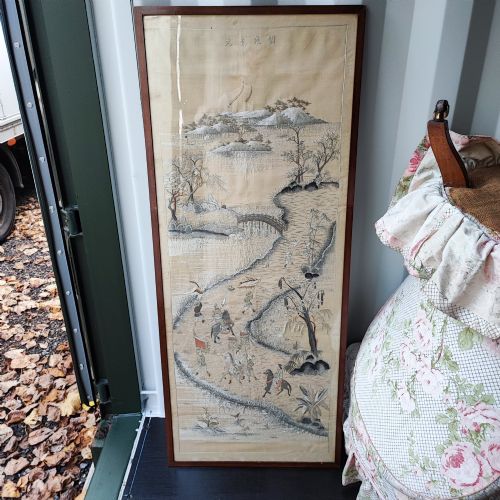
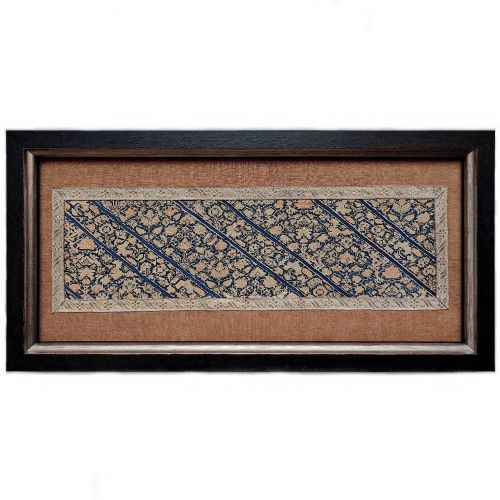
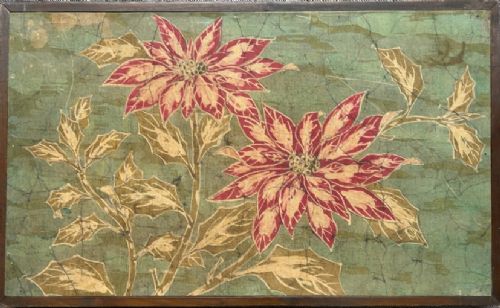
When searching for an asian textile panel, buyers encounter a diverse selection of wall hangings, tribal embroideries, and woven fabric fragments originating from Uzbekistan, Turkmenistan, India, and China. The inventory spans from the nineteenth century through the mid twentieth century, reflecting rich regional traditions.
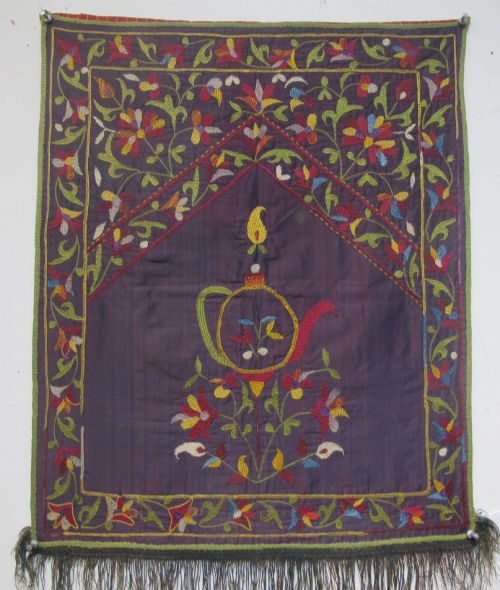
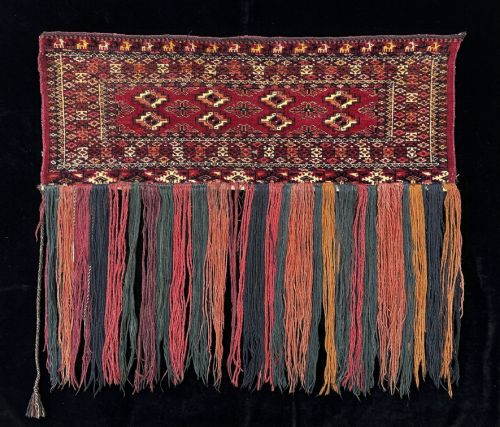
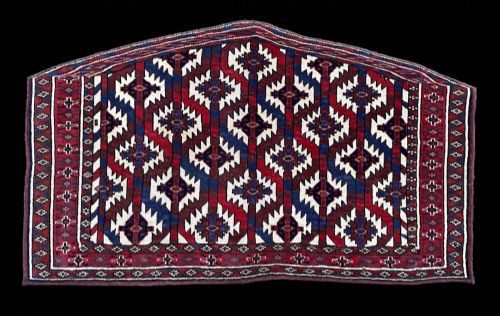
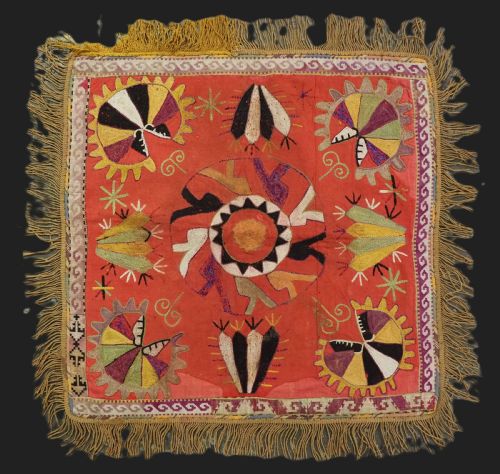
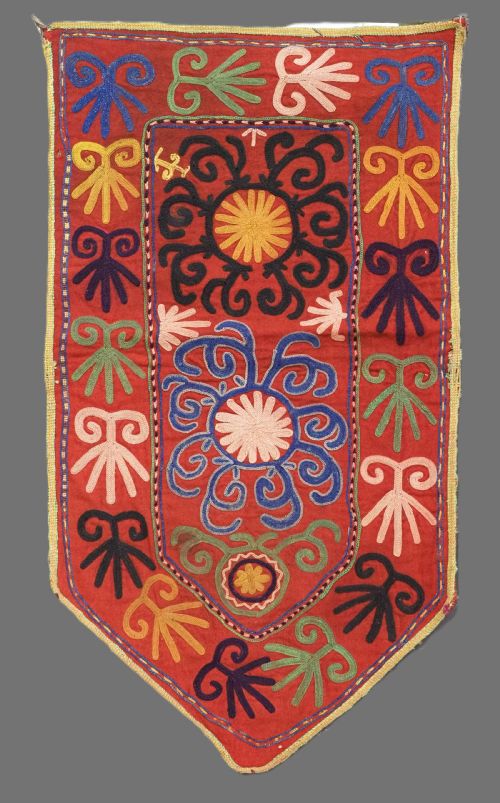
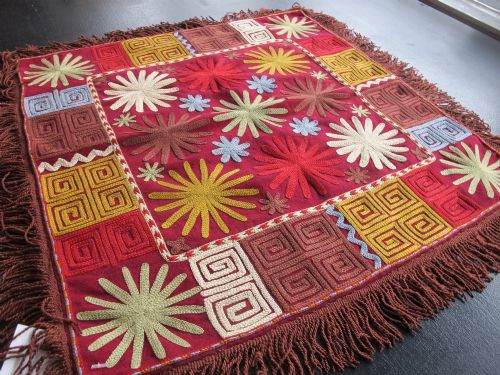
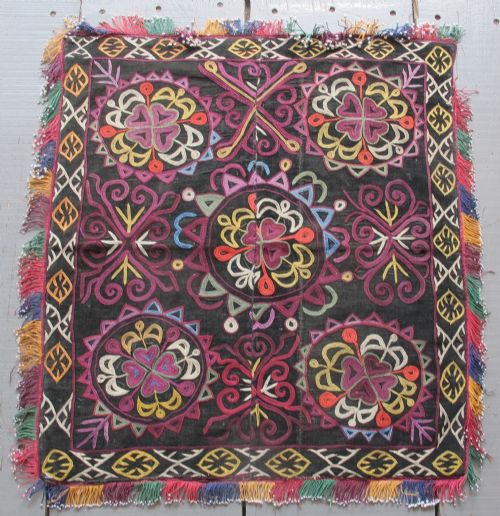
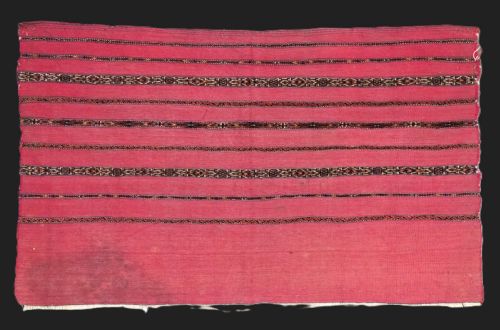
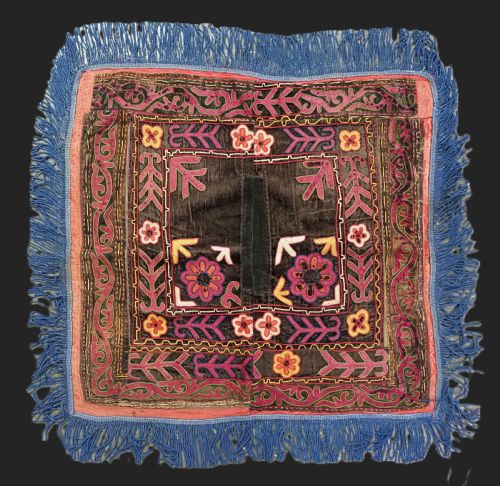
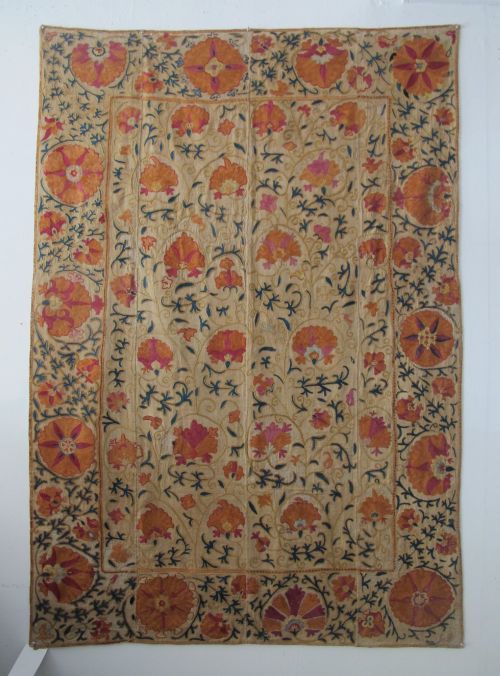
The most common examples on this page are nineteenth and early twentieth century tribal embroideries and domestic trappings, including Suzanis, Lakai ilgiches, and Turkmen asmalyks or torba faces. Many of these pieces began life as dowry items, saddle covers, or storage bags before finding new life as framed or mounted wall art.
Materials and Technique
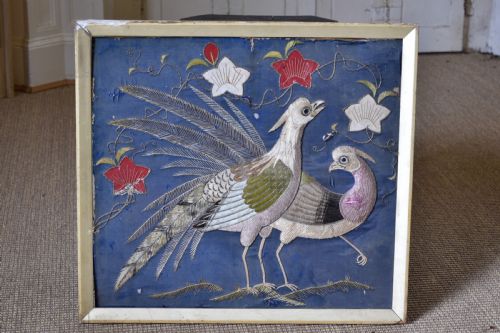
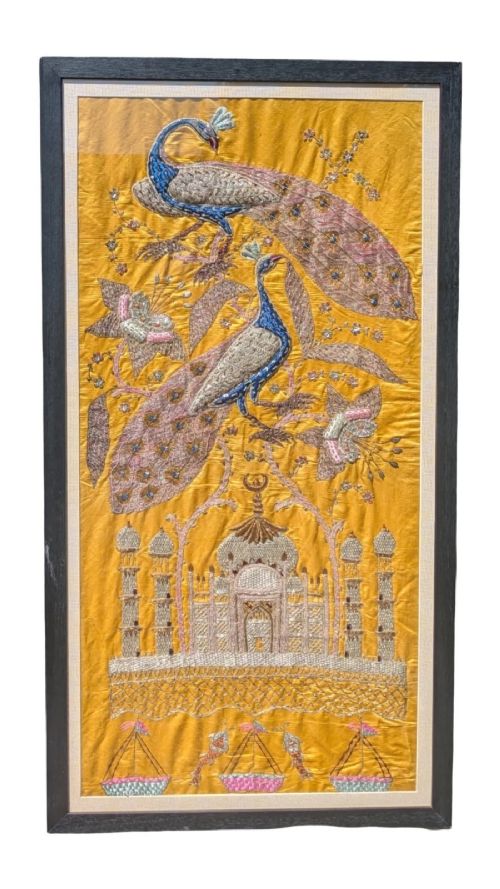
The makers relied primarily on organic textiles such as silk, wool, cotton, and felt, often worked with fine metallic thread for added lustre. Natural dyes provided the deep reds, greens, and golds that characterise the regional palettes.
Construction techniques range from meticulous silk-on-silk embroidery and hand-sewn appliqué to resist-dyed ikat fabrics and flatwoven structural panels. Many surviving examples incorporate glass elements or protective fringe details to complete the design.
Asian Textile Panel Retail Price Guide 2026
Typical asking prices for asian textile panel among the pieces listed under this phrase on Sellingantiques today, from the lower quarter to the upper quarter. They describe what is for sale here now, not the wider market.
Several panels spent their early days as nomadic camel decorations before settling down as quiet gallery wall art.
Assessing Quality
Quality rests upon the fineness of the stitchwork, the complexity of the tribal design, and the vibrancy of the natural dyes. Pieces executed with tight, uniform silk embroidery display a superior level of handcraft.
Condition and integrity also dictate the standing of a piece, particularly where original borders, structural supports, and early fabric grounds remain intact despite decades of domestic use.
The Asian Textile Panel Glossary
- Suzani
- A large, decorative embroidered tribal textile originating from Uzbekistan and Tajikistan. These pieces usually feature bold floral and architectural motifs stitched in silk on a cotton or silk ground.
- Ikat
- A dyeing and weaving technique where the yarn is resist-dyed before being set on the loom to create characteristic blurred outlines in the pattern. Adras fabrics combine silk and cotton in this method.
- Asmalyk
- A pentagonal trapping traditionally used in Turkmen weddings to decorate the flanks of a bride's camel. They display intricate geometric guls and tribal symbols.
- Gul
- A repeating medallion or floral motif used across Central Asian carpets and textile panels to identify specific tribes and clans.
- Ilgich
- A small embroidered dowry piece produced by the Lakai people of Uzbekistan. These works are known for dynamic, abstract shapes and vibrant silk threads.
Asian Textile Panel: Frequently Asked Questions
What is an asian textile panel?
These items are historical fabric works, embroideries, and woven trappings originating from regions such as Central Asia, India, and China. They encompass everything from Suzani dowry hangings to ikat furnishing fabrics.
Most pieces were created for practical or ceremonial domestic use within nomadic and village communities before being preserved as decorative wall art.
How were these panels originally used?
Many of the textile panels functioned as dowry components, domestic storage bags, or decorative elements for transport animals during tribal migrations. Items like torbas and asmalyks formed part of a bride's household wealth.
Over time, collectors repurposed these vibrant fragments into wall hangings and framed pictures to showcase the traditional handcraft.
How do I hang a textile panel?
Mounting antique textiles requires care to distribute the weight evenly across the fabric without causing strain or tearing. Many fragile pieces are professionally framed under glass to protect the delicate silk threads from dust and light.
Unframed panels can be attached to a sleeve or mounted on a padded backing board using conservation-grade stitching.
How can I tell the age of a panel?
Dating relies on examining the materials, the chemical composition of the natural dyes, and the specific tribal motifs used by groups like the Yomut or Lakai. Nineteenth-century examples often feature denser hand-spun wools and characteristic vegetable dye colours.
Mid-century and later pieces tend to show different backing fabrics, machine assistance, or brighter synthetic dye signatures.