

Asian Silk Wall Art
Asian silk wall art brings distinct textures and historic narratives into a room through centuries of woven and embroidered craftsmanship.
Asian Silk Wall Art
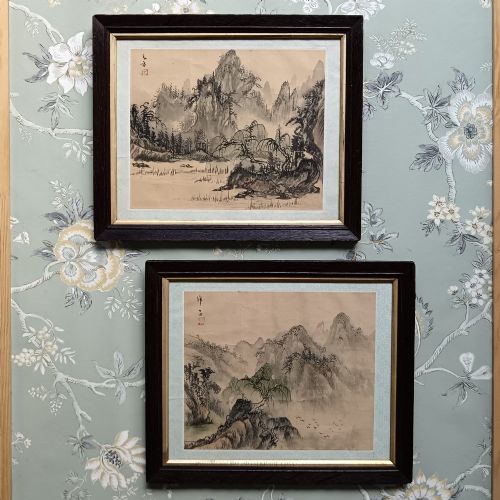
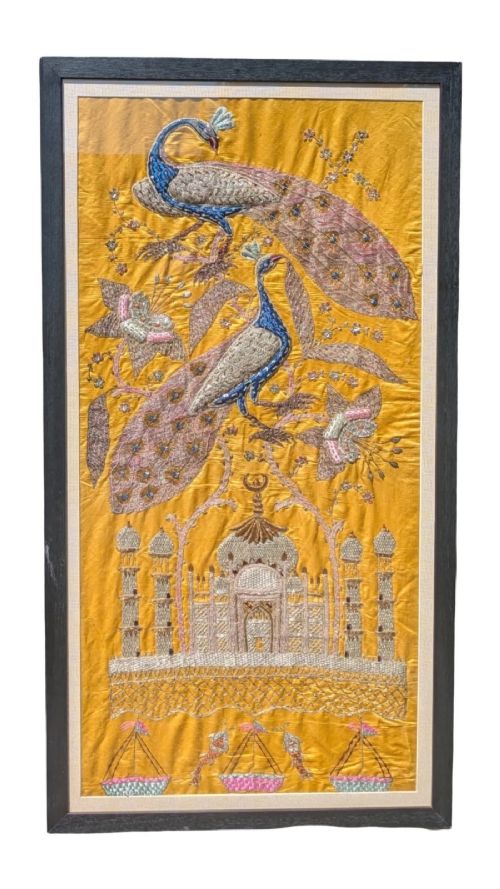
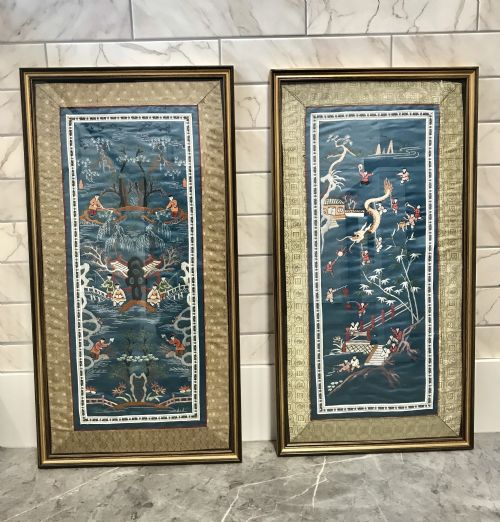
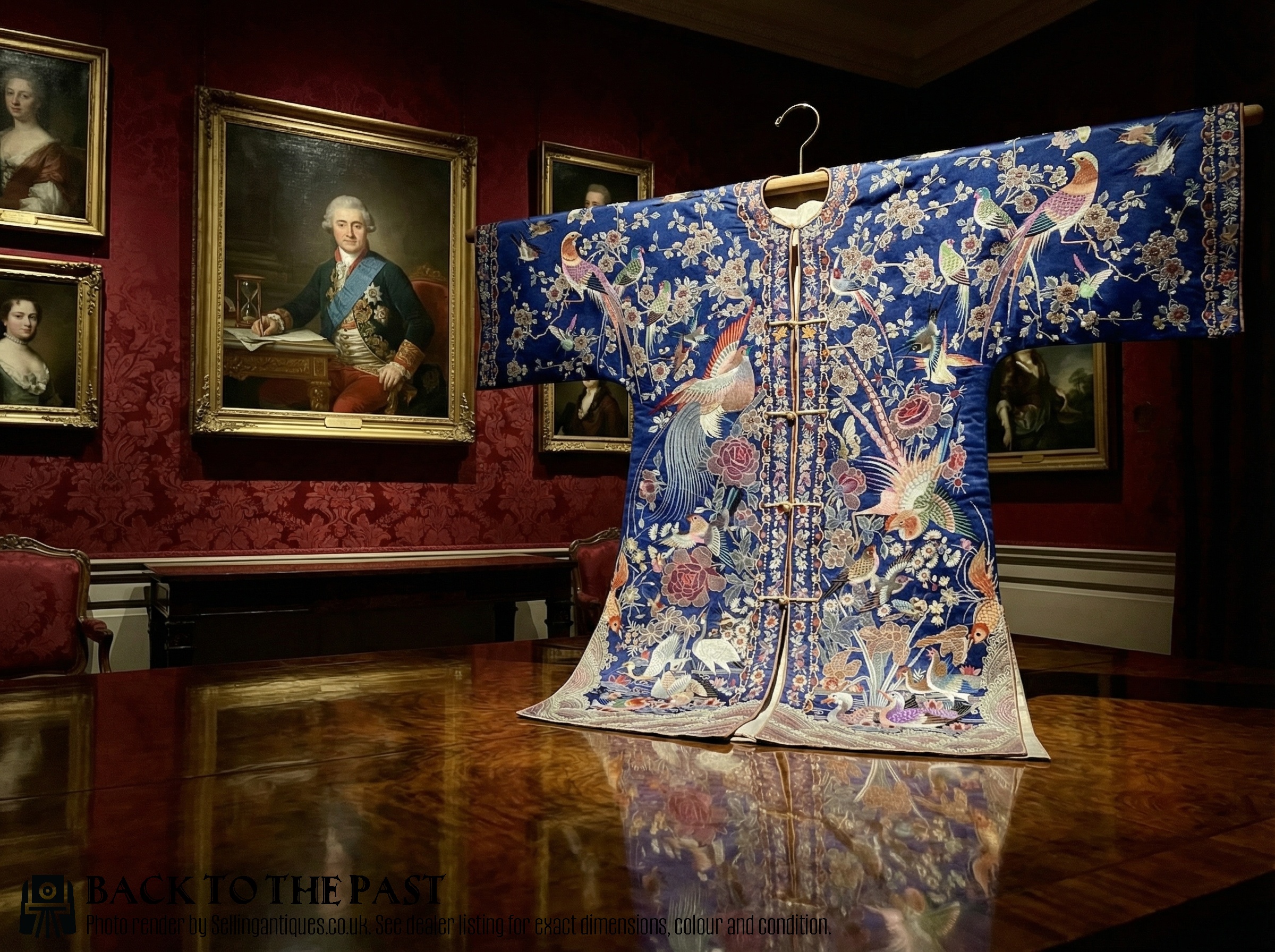
Asian silk wall art encompasses traditional textiles, embroidered panels, and painted scrolls originating from China and Central Asia. Collectors searching for these pieces encounter diverse regional formats, ranging from framed Chinese landscape paintings to large nomadic embroideries.
Forms vary from delicate silk scrolls placed under glass to substantial cotton-backed wall hangings and mounted tribal textiles. Each piece reflects the specific decorative traditions and domestic crafts of its geographic origin.
Assessing Quality and Execution
Quality rests in the precision of the needlework, the complexity of the motifs, and the vibrancy of the remaining dyes. Superior examples demonstrate tight, uniform stitching and well-preserved natural colour palettes across the entire composition.
The integrity of the original ground fabric and the clarity of painted details distinguish finer panels from simpler utilitarian pieces. Original framing and mounting further elevate the desirability of historic scrolls and textiles.
Certain dowry embroideries carry protective tribal symbols intended to ward off bad luck, secretly stitched into the hidden corners by makers.
The Asian Silk Wall Art Glossary
- Suzani
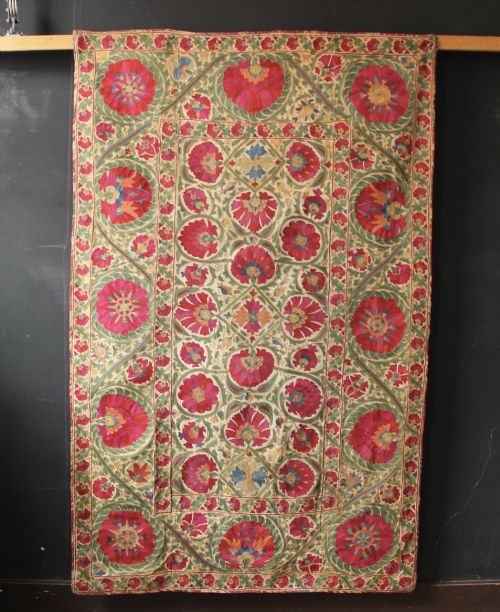
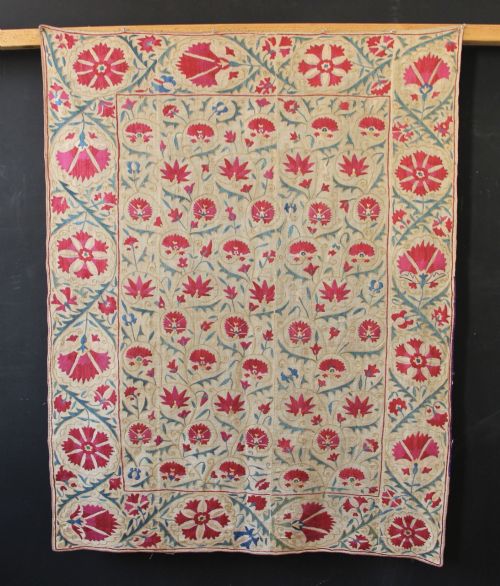
- An embroidered tribal textile originating from Central Asia, typically featuring large floral or geometric medallions on a cotton or silk ground. These vibrant hangings served traditional domestic and ceremonial functions.
- Ikat
- A dyeing technique where yarns are tie-dyed prior to weaving to create distinctive feathered pattern outlines. Silk ikat panels display brilliant multi-coloured designs characteristic of Uzbek workshops.
- Scroll
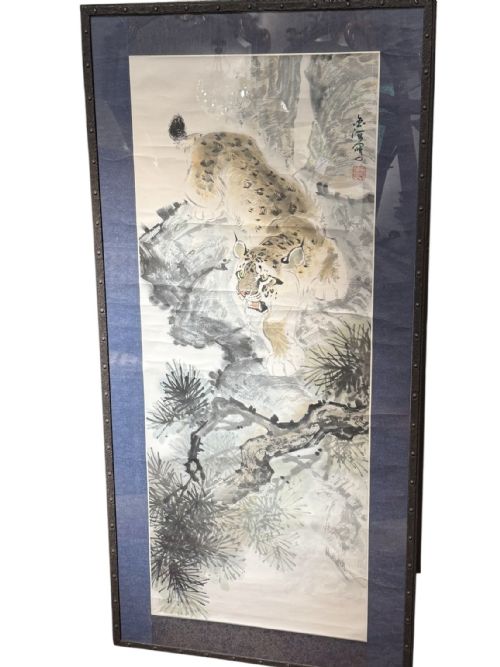
- A traditional Asian painting or calligraphy format executed on silk or paper, designed to be rolled for storage or hung vertically for display. Many feature protective wooden rollers and mounting brocades.
- Ilgich
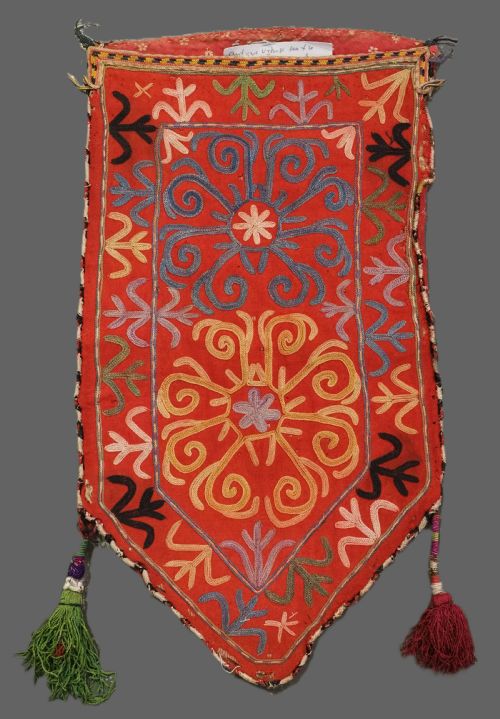
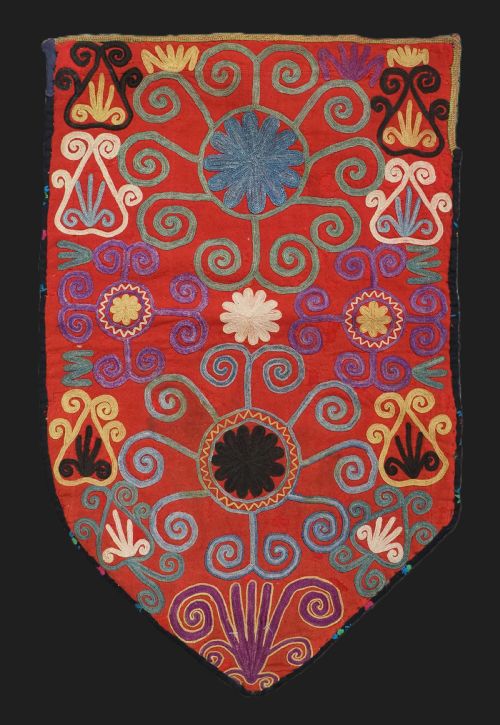
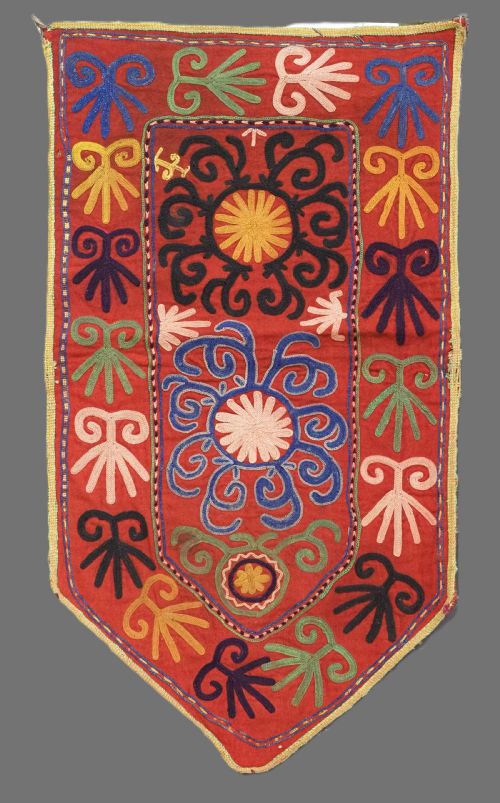
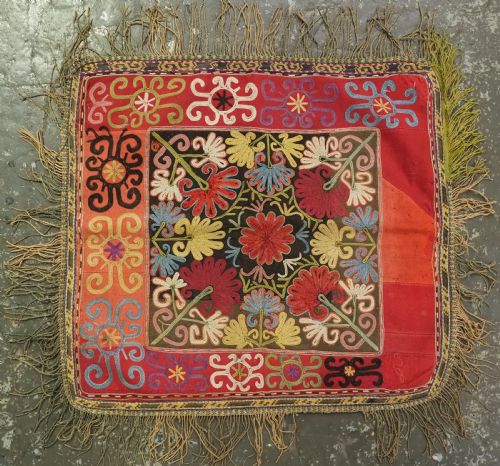
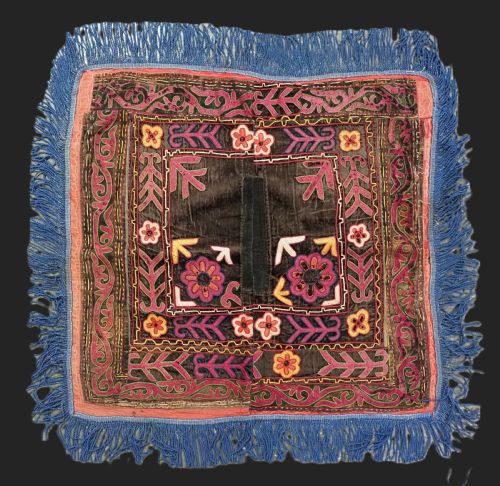
- A specific type of Central Asian embroidery used for wall hanging or domestic decoration, frequently associated with nomadic tribal groups. They display dense needlework executed in bright silk threads.
- Torba
- A small ornamental wall-hanging bag or tent trapping produced by Turkmen and associated tribes. These pieces combine rich wool foundations with detailed silk embroidery highlights.
Asian Silk Wall Art: Frequently Asked Questions
How do I hang antique silk wall art safely?
Protect delicate textiles and painted silk from direct sunlight to prevent fading of natural pigments and silk fibres. Use professional conservation mounting techniques that distribute weight evenly across the entire piece rather than pulling at single suspension points.
Keep pieces away from high humidity and fluctuating temperatures to preserve the organic materials. Framed scrolls and glass-covered panels require secure wall anchors to support their original timber frames.
What is a Suzani wall hanging?
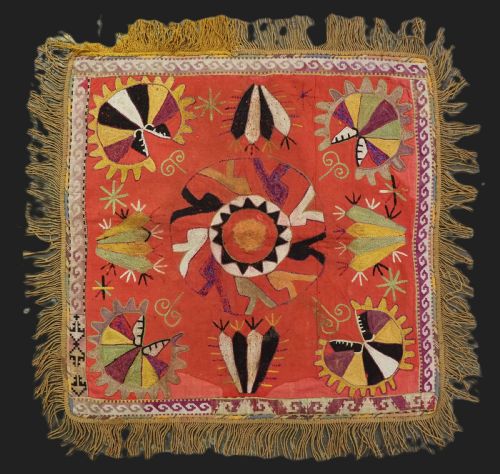
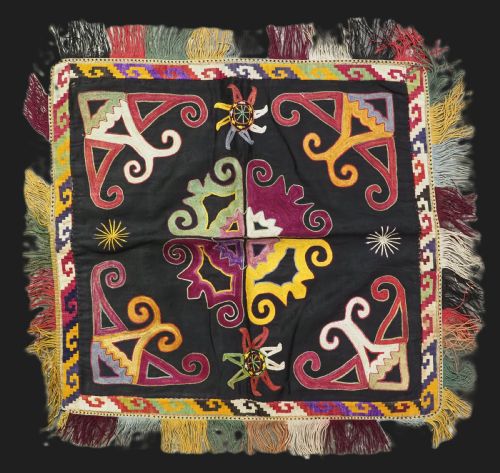
A Suzani is a large, hand-embroidered textile created in regions such as Uzbekistan and Bokhara during the nineteenth and early twentieth centuries. Artisans stitched floral and cosmic motifs in silk onto cotton or linen foundations.
Nomadic and settled communities used these panels as dowry items and decorative wall coverings in traditional homes. Their bold scale and rich botanical designs make them prominent focal points in modern interiors.
How do I distinguish Chinese silk paintings from Central Asian textiles?
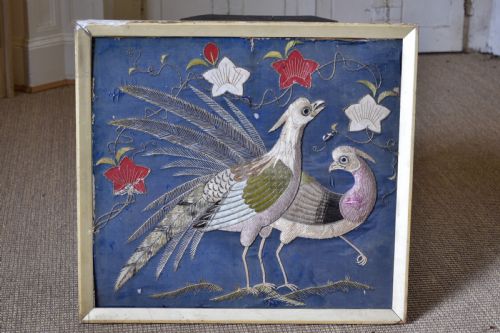
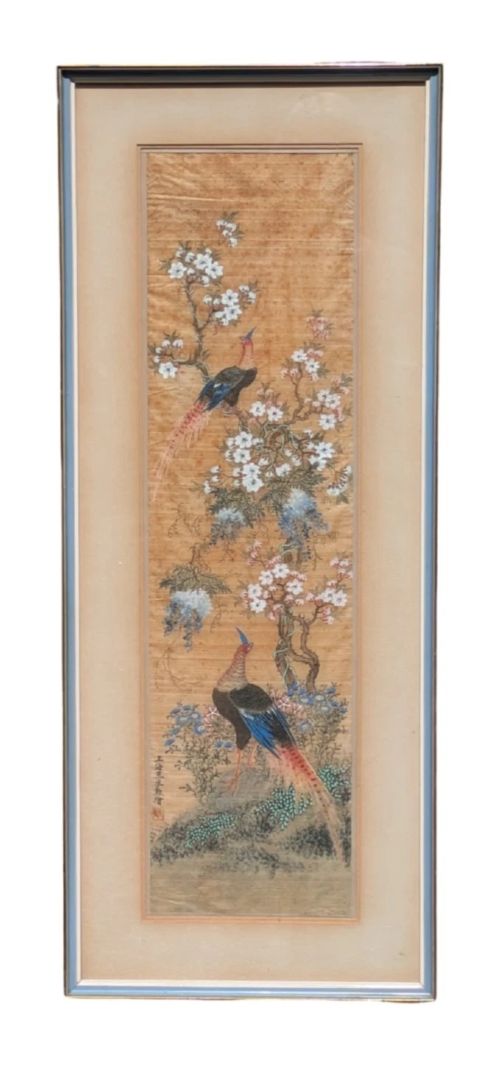
Chinese silk pieces frequently take the form of vertical scroll paintings, ancestor portraits, or finely detailed needlework depicting birds, figures, and landscapes under glass. They rely on brushwork, ink, and subtle watercolour pigments applied directly to woven silk.
Central Asian works are typically heavier tribal embroideries like Suzanis or Lakai ilgich pieces featuring geometric repeats and vibrant dyed silk yarns. The construction methods and regional motifs clearly separate East Asian pictorial arts from nomadic Central Asian textile traditions.
Can I clean antique silk embroidery?
Historic silk textiles require specialised professional conservation rather than domestic cleaning methods. Water and standard detergents can damage fragile historic threads, destabilise natural dyes, and shrink the cotton or linen ground fabrics.
Dust the surface very gently with a soft brush or vacuum through a protective mesh screen on the lowest suction setting. Consult a textile conservator if deeper cleaning or structural stabilization becomes necessary.