





Asian Rosewood Bench
An asian rosewood bench brings dense grain and centuries of carving tradition directly into a room.
Asian Rosewood Bench
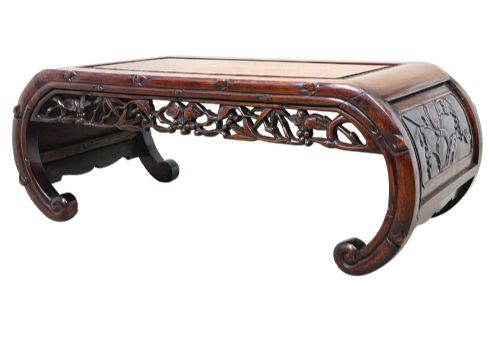
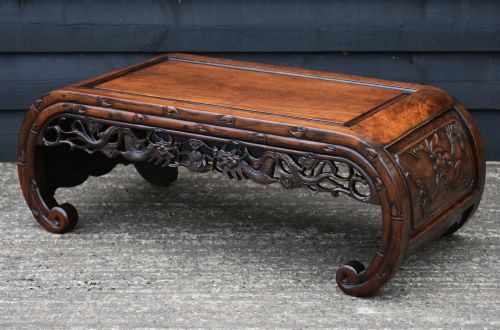
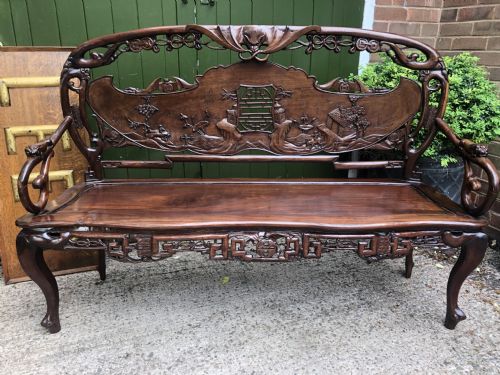
An asian rosewood bench spans forms from simple window seats to elaborately carved horseshoe hall settles and daybeds. These pieces trace their origins through the Qing Dynasty, Chinese Export periods, and traditional workshops spanning the eighteenth, nineteenth, and early twentieth centuries.
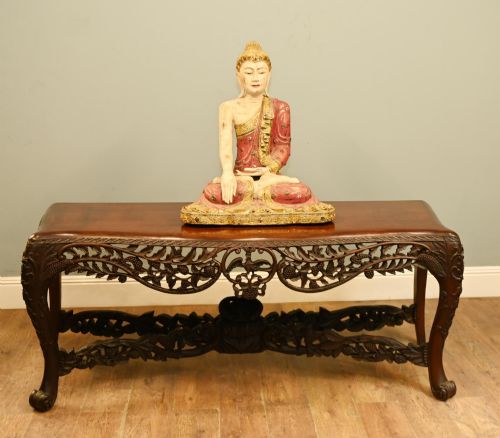
Buyers encountering this category will find a mix of low tables, sofas, and seating suites alongside proper benches. The materials shift between dense rosewood, huali, huanghuali, and general polished hardwoods that show deep natural figuring.
How they were made
Craftsmen shaped these benches from heavy tropical timbers using traditional joinery that relied on interlocking joints rather than metal nails. Surfaces were deeply carved with scroll ends, dragons, and traditional motifs directly into the dense substrate.
Makers finished the dense hardwoods by hand, polishing the material to bring out the natural sheen of the grain. Some examples incorporate contrasting elements like marble inserts or fabric upholstery within the rigid wooden frames.
Asian Rosewood Bench Retail Price Guide 2026
Typical asking prices for asian rosewood bench among the pieces listed under this phrase on Sellingantiques today, from the lower quarter to the upper quarter. They describe what is for sale here now, not the wider market.
Several benches double as impromptu daytime lounging spots, proving that Qing dynasty craftspeople understood the universal appeal of a quick afternoon nap.
What varies in quality
Quality rests upon the density and choice of the timber, with specific selections like huanghuali and huali commanding greater regard than general polished hardwoods. The crispness and depth of the hand carving also separate standard production from exceptional examples.
Proportion and scale dictate the success of the piece, particularly on large scroll-end kang tables and horseshoe settles. Integrated elements such as inset marble panels or intricate joinery integrity define the upper tier of surviving examples.
The Asian Rosewood Bench Glossary
- Huali
- A traditional Chinese hardwood closely related to rosewood, prized for its durability and rich figuring. It forms the primary structure of many late nineteenth-century seating pieces.
- Kang table
- A low platform table traditionally placed upon a heated brick bed in northern China for dining or writing. Surviving examples often feature exaggerated scroll ends or carved apron details.
- Horseshoe settle
- A traditional seating form characterised by a continuous curved backrest and arm rail sweeping downward. This design requires advanced joinery to achieve the seamless circular form.
- Qing Dynasty
- The final imperial dynasty of China lasting from sixteen forty-four to nineteen twelve. Furniture from this era exhibits diverse regional carving styles and traditional export designs.
Asian Rosewood Bench: Frequently Asked Questions
How do I use an asian rosewood bench today?
These benches function well as narrow hall seating, window seats, or low display surfaces in modern living spaces.
Their substantial weight and distinct silhouette allow them to anchor an entrance hall or serve as sculptural seating.
What is the difference between huali and standard hardwood?
Huali is a specific, highly figured timber belonging to the rosewood family noted for its distinct grain and warm tonality. General hardwood listings may refer to mixed dense tropical timbers without the specific botanical classification.
Items specified as huali or huanghuali generally command more attention from collectors due to the scarcity of the material.
How do I care for rosewood furniture?
Keep the wood away from direct heat sources and rapid humidity shifts to prevent the dense timber from splitting. Regular dusting with a soft cloth preserves the hand-polished finish without requiring heavy oils.
Allow the natural patina to develop over time through gentle maintenance rather than aggressive polishing.
How can I tell a nineteenth-century piece from a later one?
Nineteenth-century pieces often display deeper, hand-chiselled relief work and greater timber density from older growth trees. Later pieces from the turn of the twentieth century can show slight variations in proportion and machine-assisted finishing.
Examine the underside and joinery for tool marks and wear patterns that indicate the age of the construction.