



Asian Porcelain Sculpture
Asian porcelain sculpture brings masterwork figures of deities, monks and animals into a room, shaped by centuries of East Asian kiln traditions.
Asian Porcelain Sculpture
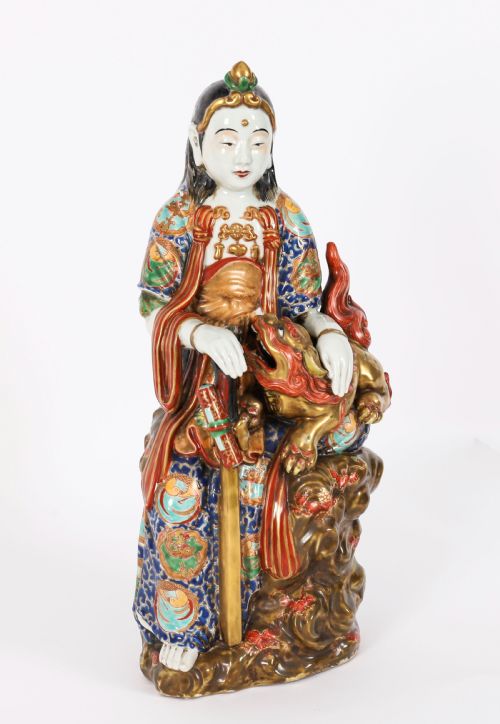
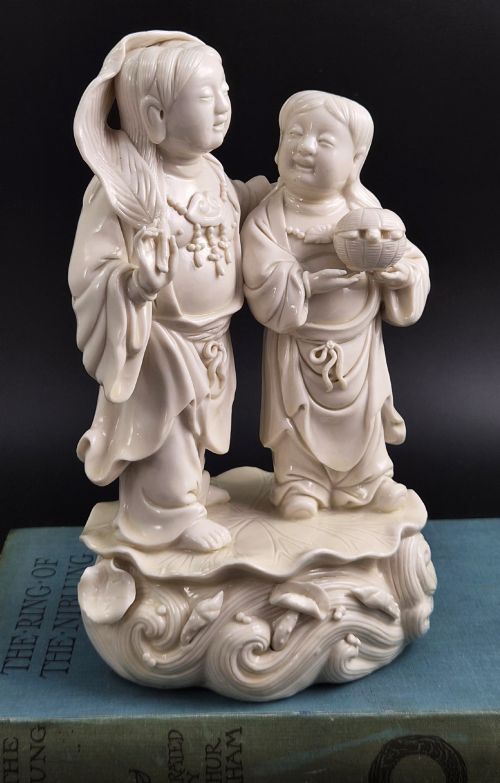
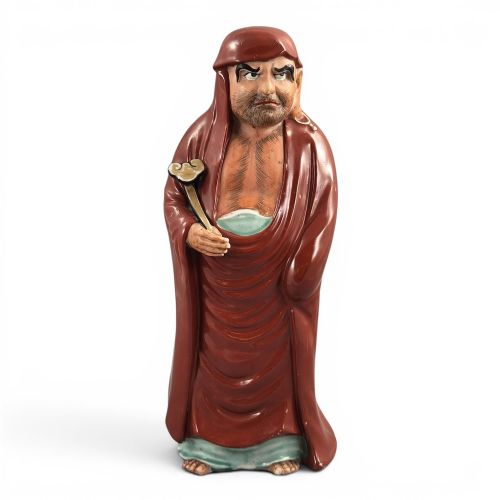
Subjects range from Buddhist deities such as Guanyin and Kannon to mythological figures like Daruma, Jurojin, Hotei, and the guardian Shishi lion. Collectors also encounter animal forms including ducks, cockerels, and dogs rendered in ceramic.
Makers and workshops span diverse aesthetic movements, from Ming style sancai glaze pairs to intricate Satsuma and Kutani Satsuma figurative pieces. Each sculpture reflects the specific mythological or spiritual traditions of its origin.
Materials and technique
Creation relies upon refined ceramic body materials shaped into detailed figures, finished with specialised glazes or polychrome enamels. Artisans frequently added gold leaf highlights to enhance the visual depth of robes and decorative borders.
Firing techniques allowed for varied effects, from the multi-coloured enamel palettes of Kutani and Satsuma to the vibrant turquoise and sancai lead glazes seen on Chinese works. Wood elements occasionally accompany ceramic components in specific display configurations.
Asian Porcelain Sculpture Retail Price Guide 2026
Typical asking prices for asian porcelain sculpture among the pieces listed under this phrase on Sellingantiques today, from the lower quarter to the upper quarter. They describe what is for sale here now, not the wider market.
Several grumpy monks and serene lions quietly hold court over the collection.
Assessing quality
Excellence in an asian porcelain sculpture rests upon the crispness of the modelling and the precision of the hand-painted enamel work. Superior examples demonstrate fluid facial expressions, controlled pigment application, and harmonious integration of gold leaf detailing.
Makuzu Kozan II
The Asian Porcelain Sculpture Glossary
- Okimono
- A Japanese ornamental statue or sculpture designed for display on a shelf or in a tokonoma alcove. These figures often depict deities, historical characters, or animals.
- Kutani
- A style of Japanese porcelain traditionally characterised by vibrant polychrome enamels and extensive use of gold. Pieces often feature intricate figurative and floral designs.
- Satsuma
- A type of Japanese earthenware or porcelain with a finely crackled ivory glaze, typically decorated with elaborate overglaze enamels and gilding. Satsuma wares frequently portray deities and immortals.
- Sancai
- A traditional Chinese three-colour glaze technique, most commonly utilising amber, green, and cream or white tones. It appears prominently on Tang and later revival wares.
- Guanyin
- The East Asian bodhisattva of compassion, frequently rendered in porcelain sculpture as a serene figure holding sacred attributes or seated upon a lotus.
Asian Porcelain Sculpture: Frequently Asked Questions
How do I identify Kutani porcelain?
Kutani porcelain is recognised by its dense, colourful enamel palette, which frequently incorporates iron red, green, purple, yellow, and blue. Gilt accents often highlight the robes and backgrounds of figures.
Many examples from the nineteenth century onward carry kiln or artist marks on the underside, though visual adherence to traditional Satsuma and Kutani aesthetics remains a primary identifier.
Where should I display these sculptures?
These figures suit stable surfaces away from direct sunlight and heavy foot traffic, such as dedicated cabinets, sideboards, or mantels. Their detailed enamels and gold leaf benefit from thoughtful interior lighting.
Because many pieces feature delicate porcelain extremities or added wooden elements, positioning them out of reach prevents accidental bumps.
What do figures like Daruma represent?
Daruma depicts Bodhidharma, the Indian monk who founded Zen Buddhism, traditionally shown as a resolute, robed figure without visible arms or legs. He symbolizes perseverance and good fortune.
Other figures found in these sculptures, such as Jurojin and Hotei, represent longevity and contentment, bringing specific cultural narratives into the physical form.