





Asian Lacquer Table
An asian lacquer table brings rich surface and storied form into a room, joining centuries of craft traditions across diverse regional styles.
Asian Lacquer Table
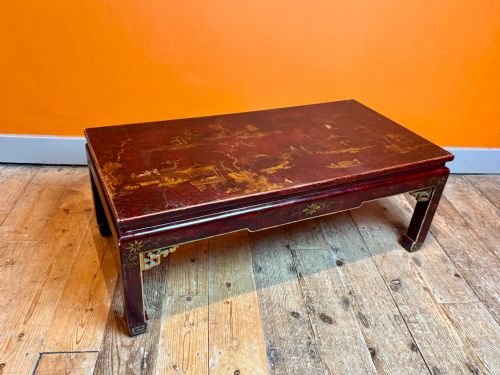
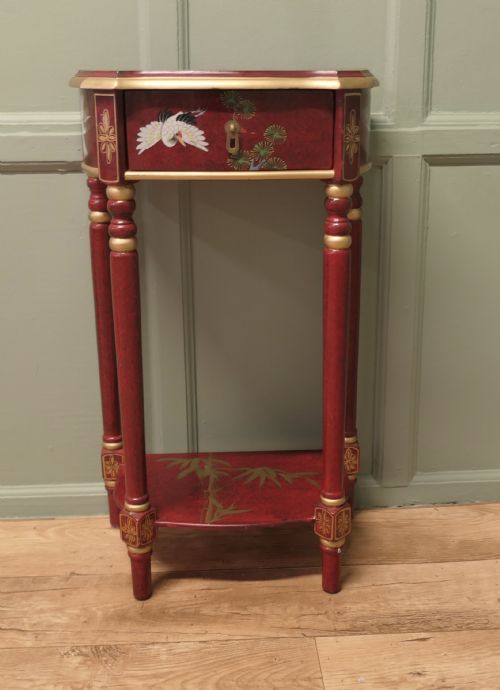
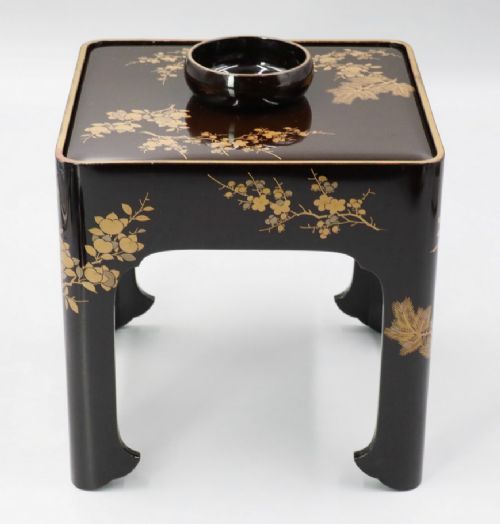
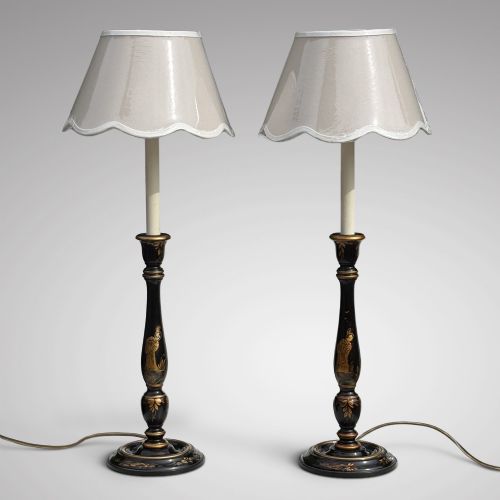
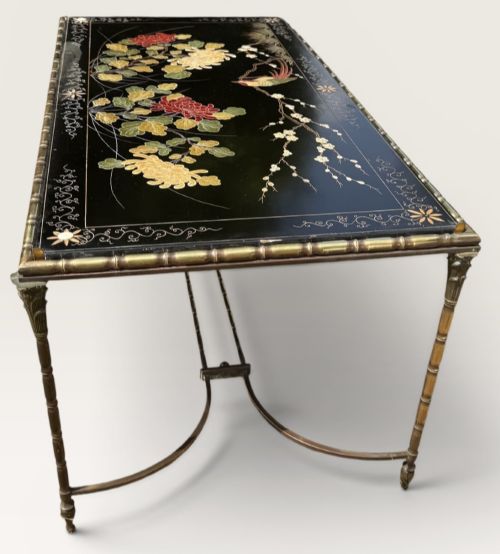
When searching for an asian lacquer table, buyers encounter a diverse selection of low coffee tables, occasional stands, and console tables spanning the nineteenth and early twentieth centuries. These pieces originate from various traditions, including Chinese export workshops, Japanese Meiji period studios, and British Edwardian interpretations.
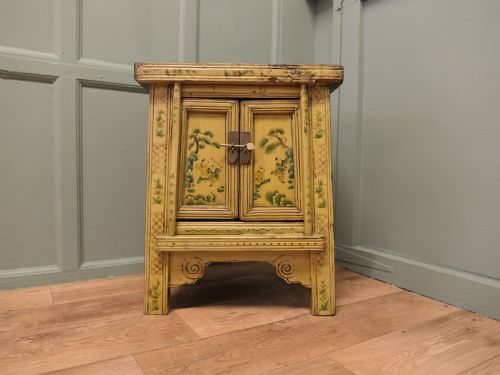
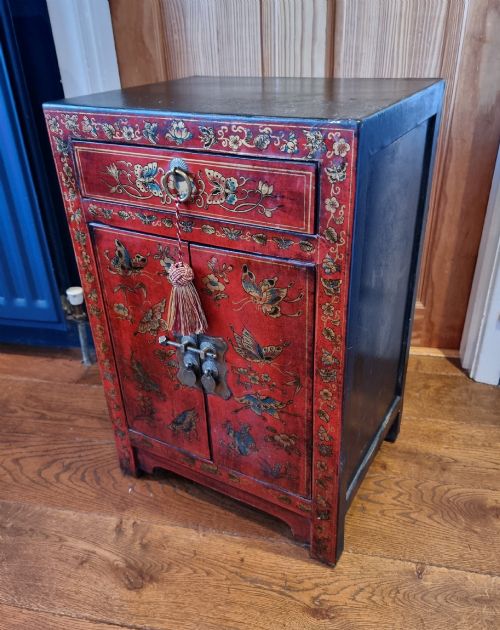
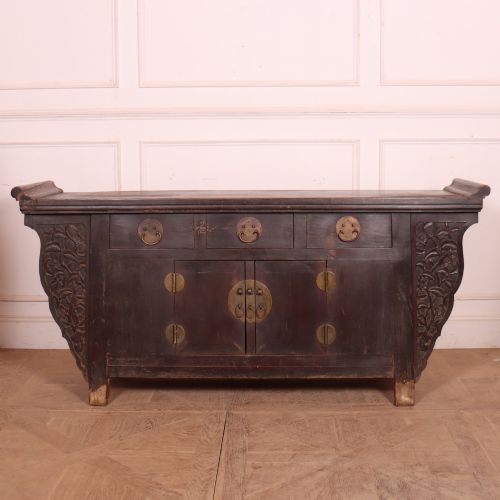
The assortment includes low tea tables, folding variants, and elm wood structures finished with glossy protective coatings, red or black pigments, and painted decorations. Alongside formal coffee and side tables, the selection incorporates plant stands and altar table designs influenced by earlier dynastic periods.
How they were made
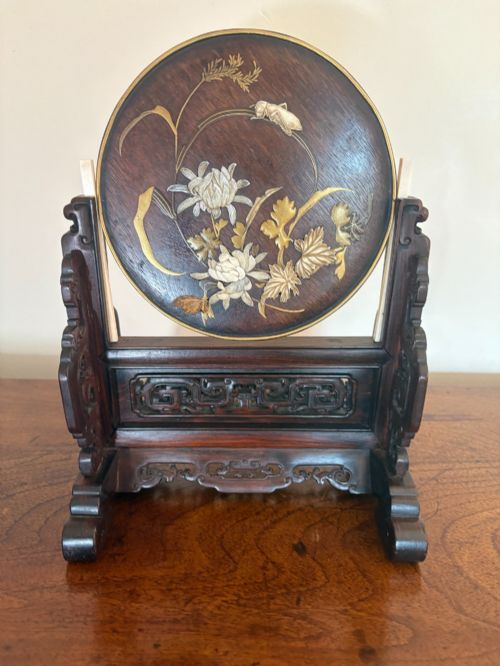
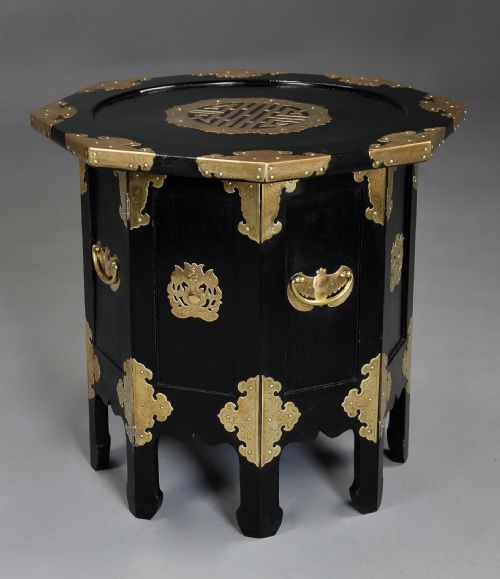
Construction relies heavily on sturdy timbers such as elm and general hardwoods, providing a stable structural base for subsequent surface treatments. Artisans applied layers of lacquer to these wooden frames, often incorporating brass hardware, bone inlay, or raised relief details.
Decorative surface techniques include hand-painted Chinoiserie motifs, gilt applications, and gold leaf accents over red, black, or cream pigmented grounds. Certain surfaces feature natural wood grains contrasted against ebonised edges or polished stone inserts.
Asian Lacquer Table Retail Price Guide 2026
Typical asking prices for asian lacquer table among the pieces listed under this phrase on Sellingantiques today, from the lower quarter to the upper quarter. They describe what is for sale here now, not the wider market.
Listings feature woods like elm and hardwood, finished with lacquer, brass, and gold leaf across nineteenth and twentieth-century periods.
What varies in quality
Quality separates through the depth and resilience of the layered lacquer finish, alongside the intricacy of hand-painted or carved relief details. Superior examples exhibit precise joinery in the underlying elm or hardwood frame, maintaining structural integrity alongside preserved decorative artistry.
The distinction also lies in the nuance of the decorative application, where refined brushwork, integrated gold leaf, and harmonious brass mountings elevate the piece beyond standard production.
Maison Bagues
The Asian Lacquer Table Glossary
- Chinoiserie
- European theatrical interpretation and imitation of Chinese artistic traditions, popular in furniture and decorative arts during various historic periods. It often manifests as painted motifs depicting figures, pavilions, and landscapes on lacquered grounds.
- Meiji
- The period of Japanese history spanning from 1868 to 1912, noted for intricate craftsmanship in lacquerware, Shibayama work, and metalwork. Pieces from this era often display high technical precision and detailed natural subjects.
- Elm
- A durable hardwood commonly utilised in traditional Chinese furniture making for its tough, interlocking grain. It provides a resilient structural foundation for tables and cabinets before the application of lacquer finishes.
- Altar table
- A traditional Chinese form characterised by an elongated rectangular top with upturned ends or recessed legs. Originally intended for ceremonial use, these tables are adapted for domestic display.
- Kodansu
- A small Japanese tabletop cabinet featuring multiple internal drawers and compartments, frequently finished in black lacquer. These miniature storage pieces often incorporate intricate metal mountings and decorative panels.
Asian Lacquer Table: Frequently Asked Questions
What periods do these tables come from?
The available pieces originate primarily from the nineteenth century through the early decades of the twentieth century, including Victorian and Edwardian interpretations.
Craftsmen during these eras produced both traditional forms for domestic markets and export pieces tailored for Western interiors.
How do I care for a lacquered surface?
Lacquered surfaces require gentle treatment, avoiding direct sunlight and excessive moisture to protect the finish.
Regular dusting with a soft, dry cloth preserves the gloss and prevents micro-abrasions on the delicate painted layers.
What is the difference between Chinese and Japanese pieces?
Chinese examples often utilise elm frameworks with rich red or black lacquer, frequently featuring painted Chinoiserie landscapes or export motifs.
Japanese pieces from periods like the Meiji era tend to focus on finer details, incorporating bone inlay, gold leaf, and specialised techniques such as Shibayama.
How were these tables used originally?
Many served functional roles as writing surfaces, low tea tables for kneeling, or decorative stands for display.
Console and altar tables were positioned against walls to hold ceremonial objects or decorative vessels in traditional interiors.