





Asian Inlaid Art
Asian inlaid art brings together intricate craftsmanship and traditional materials like mother of pearl, silver, and lacquer across decorative plaques, vases, and sculptures.
Asian Inlaid Art
Asian inlaid art encompasses a diverse range of decorative objects, featuring pieces from the eighteenth century through to the mid twentieth century. Buyers seeking this phrase encounter items spanning Chinese Qing style, Japanese Meiji, Taisho, and Showa periods, alongside Burmese traditions.
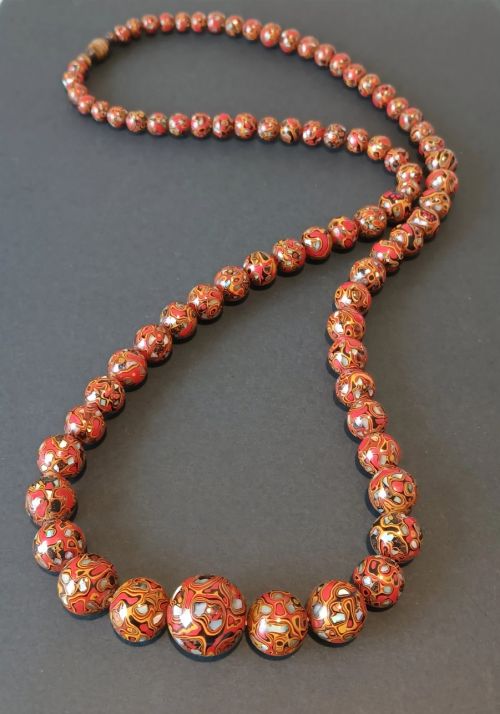
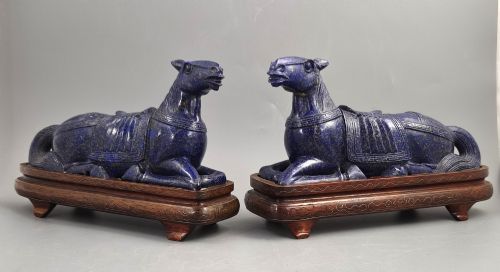
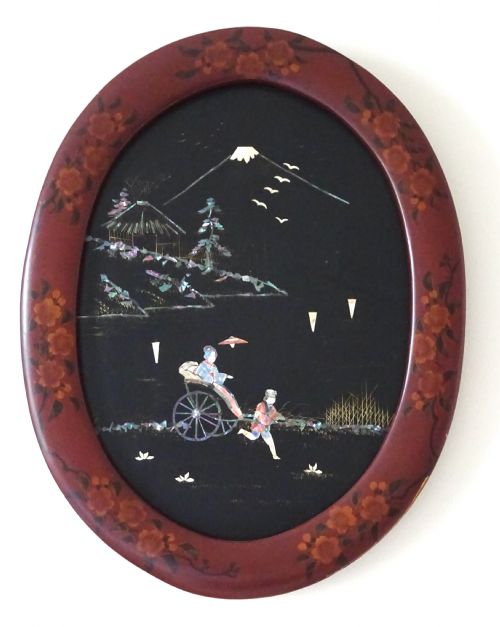
The selection on this page focuses heavily on wall plaques, sculptures, vases, and framed panels. Common forms include large pairs of recumbent horses, bronze and patinated iron vessels, and detailed red lacquered picture frames.
Origins vary across distinct cultural workshops, notably Chinese works featuring lapis lazuli and jade, Japanese metalwork decorated with gold and silver, and Burmese gilt wood figures. Each piece reflects the specific decorative techniques and aesthetic values of its region and era.
Materials and Construction
The creation of these pieces relies on contrasting hard materials set into a foundational base, frequently utilising wood, red lacquer, or cast bronze and patinated iron. Artisans embed delicate elements of mother of pearl, abalone, and foilage into the primary medium to build complex pictorial surfaces.
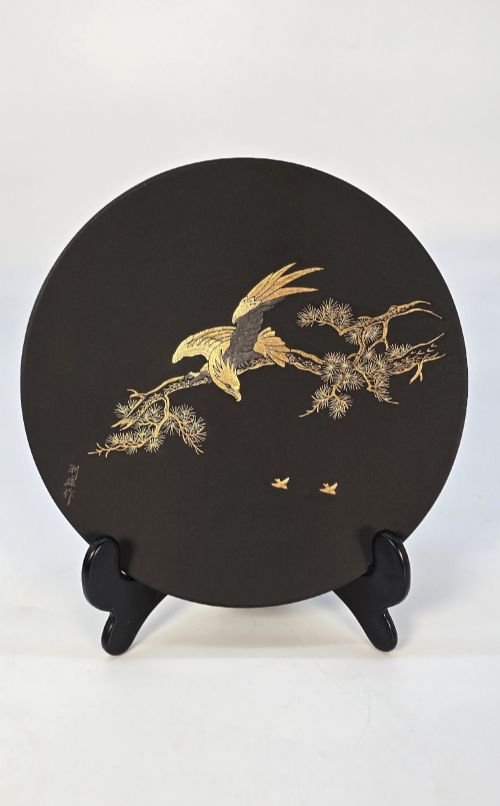
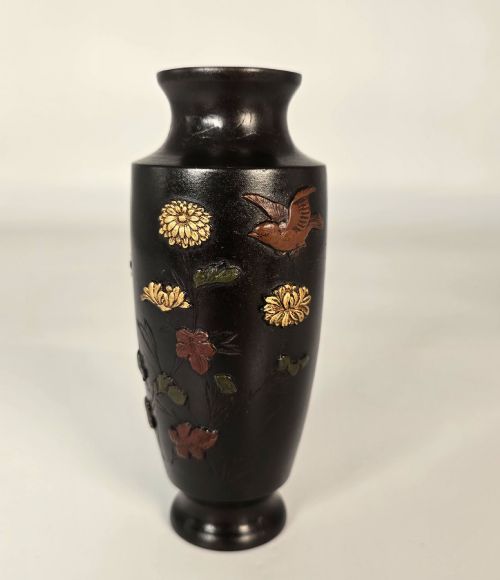
Metalwork relies on precise incising and hammering to secure precious wire inlay, such as gold and silver threads on iron plaques or bronze vases. Wood and lacquer pieces involve meticulous carving and polishing before shell and stone inlays are fixed securely into recessed channels.
Asian Inlaid Art Retail Price Guide 2026
Typical asking prices for asian inlaid art among the pieces listed under this phrase on Sellingantiques today, from the lower quarter to the upper quarter. They describe what is for sale here now, not the wider market.
Several panels depict birds resting quietly among intricate branches and foliage, proving that early artisans were keen observers of natural neighborhood wildlife.
Assessing Quality and Execution
Quality rests upon the precision of the fit between the inlay and its host material, where tighter joints and cleaner edges distinguish finer workshops. The depth of carving in organic materials like wood, jade, and mother of pearl dictates the three dimensional presence of the design.
The choice and balance of materials also influence the standing of an item, as seen in the selection of high grade lapis lazuli or finely gradated abalone shell. Preservation of the original surface patination, whether on patinated iron or gilt wood, plays a central role in the integrity of the object.
The Asian Inlaid Art Glossary
- Inlay
- A decorative technique where small pieces of contrasting materials are embedded into a recessed surface to form a design.
- Mother of pearl
- The iridescent inner layer of mollusc shells, frequently utilised in Asian decorative arts for its shimmering tonal quality.
- Patination
- The natural or artificially induced ageing of a metal or wooden surface over time, altering its colour and texture.
- Lacquer
- A durable resin finish applied in multiple layers to wood and other substrates, often pigmented in deep red or black.
- Qing Dynasty
- The final imperial dynasty of China, spanning from the seventeenth to the early twentieth century, known for intricate decorative arts.
Asian Inlaid Art: Frequently Asked Questions
What materials are used in Asian inlaid art?
The pieces utilise a foundation of hardwood, bronze, iron, or red lacquer combined with contrasting decorative elements. Artisans embed mother of pearl, abalone, lapis lazuli, jade, gold, and silver into these surfaces.
Different regional traditions favour specific combinations, such as Japanese metalwork incorporating precious metal wire or Chinese workshops pairing lacquer with iridescent shell.
How do I care for inlaid wooden panels?
Keep wooden panels and lacquered frames away from direct sunlight and dramatic fluctuations in temperature or humidity. This prevents the wooden base from expanding and causing the delicate shell or stone inlay to loosen.
Dust the surface gently with a soft, dry cloth and avoid applying liquid polishes or chemical cleaners that might damage the lacquer or metal inlay.
How are different manufacturing periods identified?
Period identification relies on stylistic cues, material characteristics, and manufacturing techniques associated with specific eras like the Meiji period or Qing Dynasty. Examining the method of metal patination, the preparation of the lacquer, and the cutting style of the mother of pearl provides clues.
Signatures or workshop marks, where present, help narrow down the date of production alongside construction methods typical of the eighteenth through twentieth centuries.
Where were these inlaid decorative objects displayed?
Many of these items, such as wall plaques, framed panels, and vases, were created for interior display in domestic and formal settings. They served both ornamental and symbolic functions within traditional households.
Statues and sculptures, including Burmese gilt wood figures and horse carvings, occupied places of prominence in shrines or reception rooms.