

Asian Incense Vessel
An asian incense vessel brings centuries of ritual craft and distinct metalwork into a modern interior.
Asian Incense Vessel
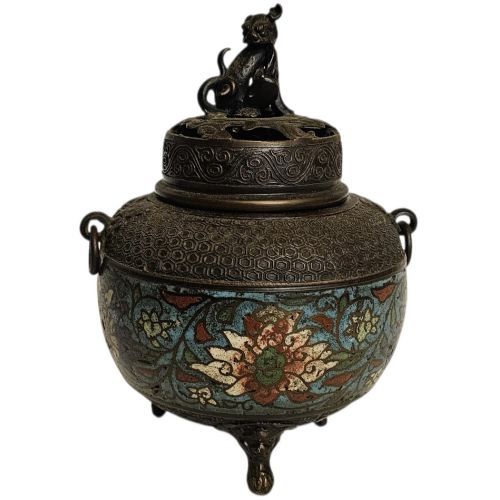
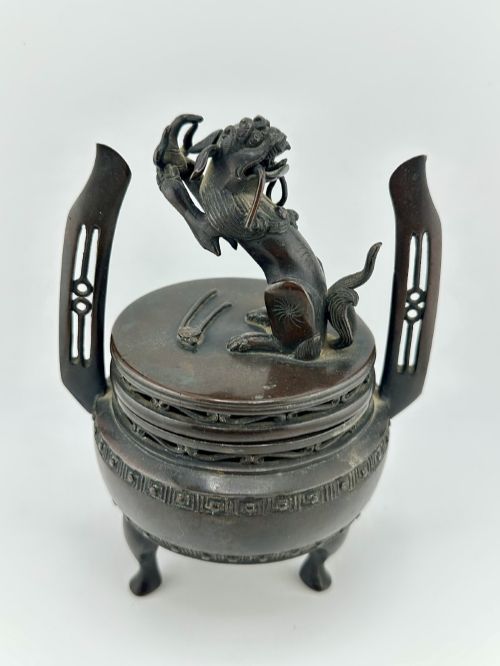
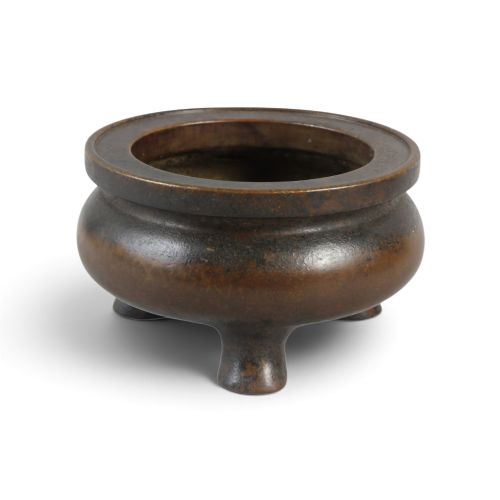
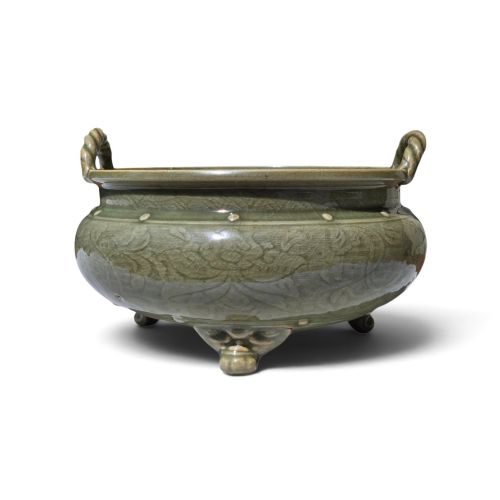
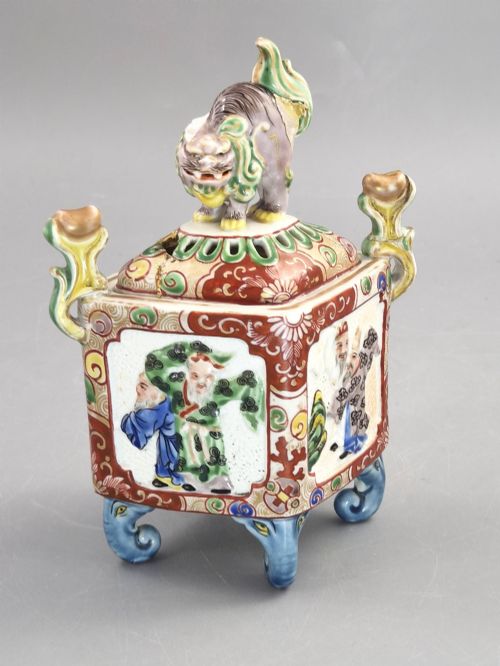
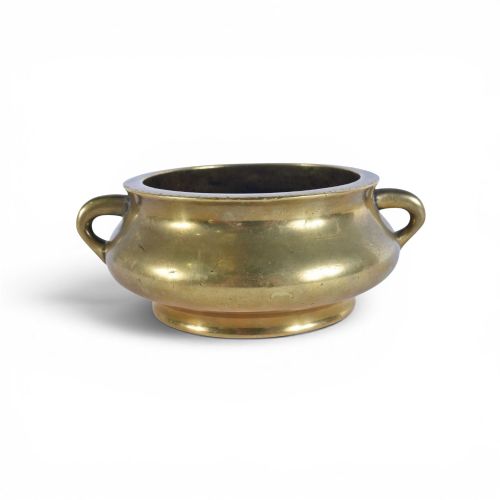
When searching for an asian incense vessel, collectors encounter utilitarian burners, lidded koro, and tripod censers designed for scholar tables and domestic shrines. These objects span periods from the Ming and Qing dynasties to the Meiji and Edo eras, reflecting diverse regional aesthetics across China and Japan.
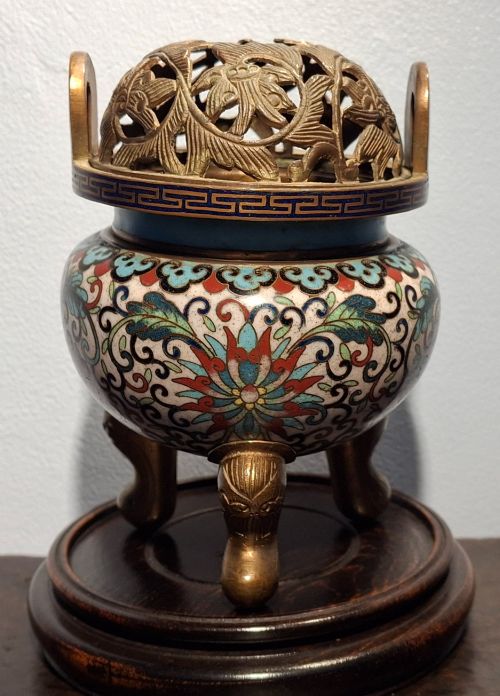
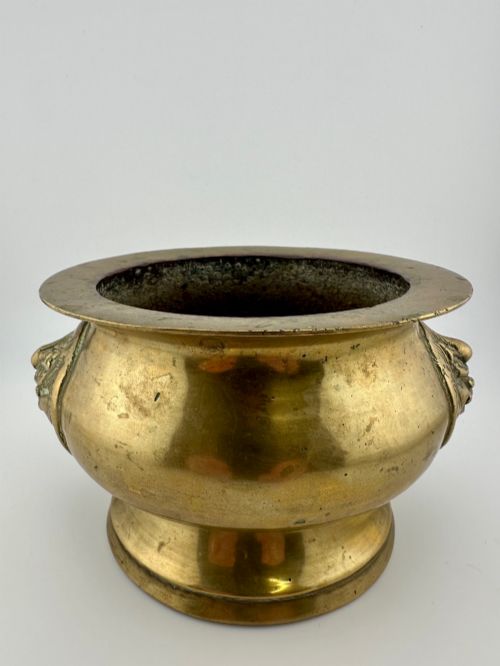
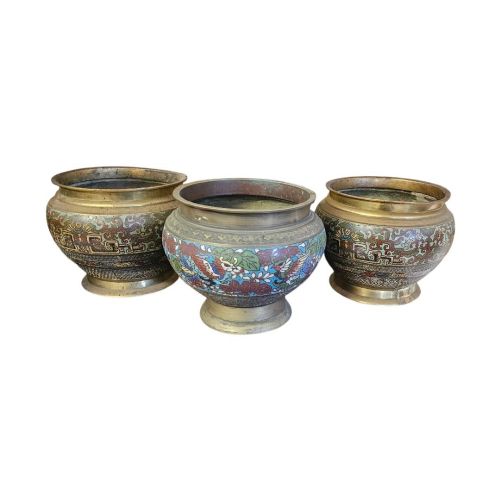
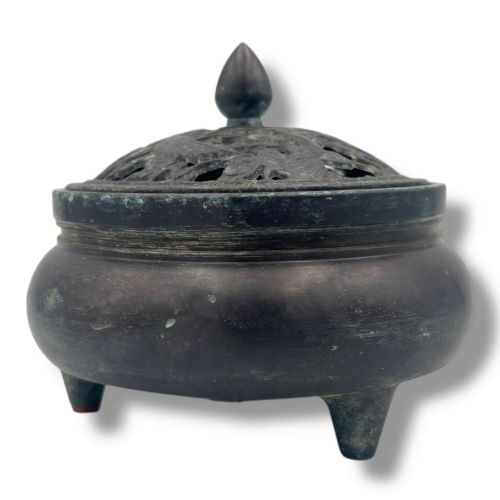
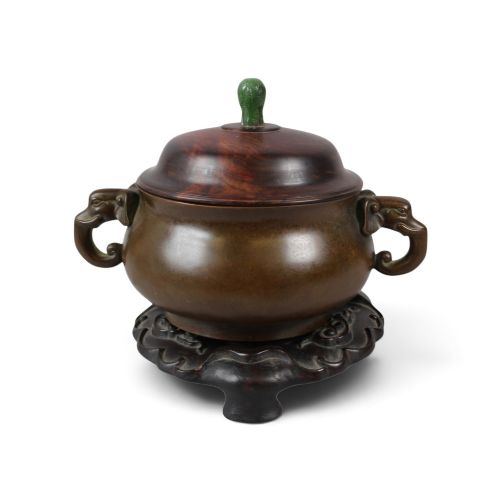
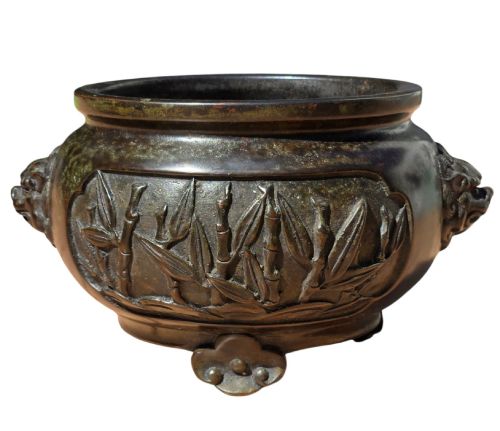
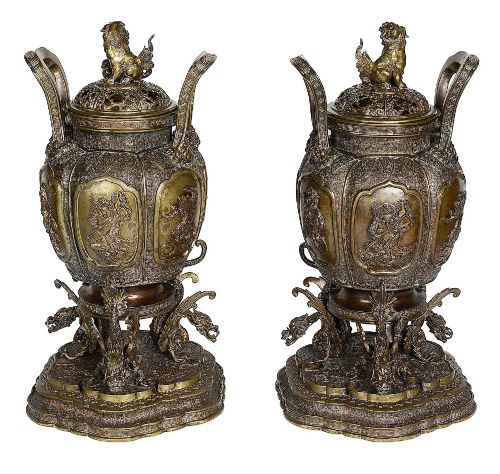
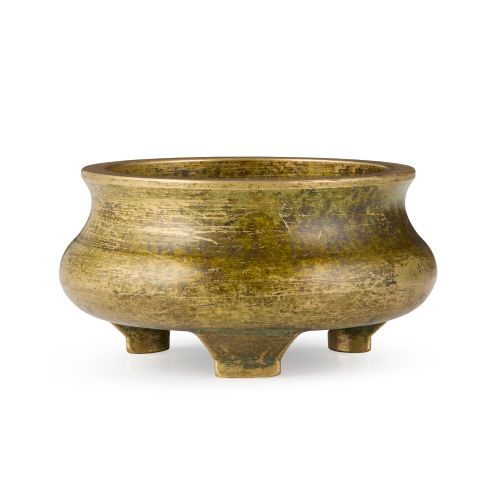
The versions most frequently met on this page are heavy bronze tripods bearing archaic motifs, alongside enameled porcelain and cloisonné examples. They appear with elements such as fu lion finials, elephant-head handles, and openwork covers intended to diffuse scented smoke.
How They Were Made
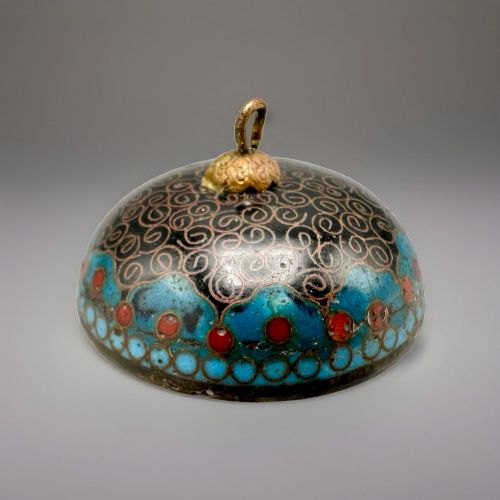
Metal vessels are typically formed through lost-wax casting, yielding substantial weight and dense walls, occasionally finished with gilt splashes or champlevé and cloisonné enamel wires. Bronze and brass serve as the primary metallic bases, often cast with integrated feet, animal mask handles, and relief panels depicting traditional flora and fauna.
Asian Incense Vessel Retail Price Guide 2026
Typical asking prices for asian incense vessel among the pieces listed under this phrase on Sellingantiques today, from the lower quarter to the upper quarter. They describe what is for sale here now, not the wider market.
What Varies in Quality
The standard of a vessel depends upon the crispness of its cast decoration, such as taotie masks and relief panels, where sharper definition indicates superior toolwork and control. Heavy casting and balanced proportions, particularly in tripod models, separate standard utility wares from ambitious scholarly studio pieces.
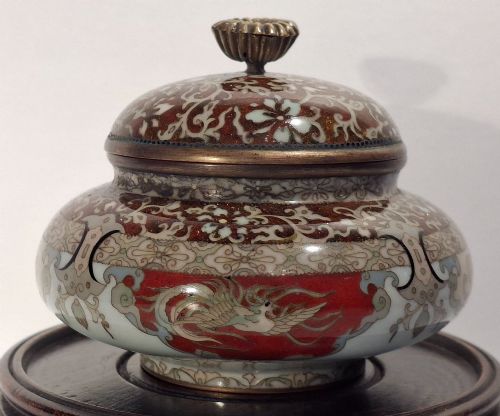
Surface finishing further distinguishes the range, seen in the evenness of cloisonné enamel cells, the restraint of gilding, and the presence of verified reign or studio marks. Bespoke elements like fitted hardwood stands and carved hardstone finials also contribute to the completeness of an individual item.
Tsukamoto Hikokichi·Kizan·Kotobuki do·Wu Bangzuo
The Asian Incense Vessel Glossary
- Censer
- A vessel designed for burning incense during rituals or quiet contemplation. These pieces typically feature a wide bowl and a pierced lid.
- Koro
- A Japanese term for an incense burner, often fitted with a cover and three legs. They appear in ceramic, bronze, and cloisonne.
- Tripod
- A vessel supported by three feet, frequently utilised in archaic Chinese bronzes. This form ensures stability on scholar desks and altar tables.
- Cloisonne
- A decorative metalwork technique where enamel paste is applied within wire enclosures soldered to a bronze or copper base. The surface is subsequently fired and polished smooth.
Asian Incense Vessel: Frequently Asked Questions
How were asian incense vessels used?
These vessels functioned primarily to burn aromatic resins and wood powders in temples, domestic shrines, and scholar studios. The rising smoke aided meditation, created a calm atmosphere, and marked the passage of time.
The pierced covers were engineered to control the release of fragrance and let wisps of smoke escape gradually. Scholars valued them as contemplative desk objects that engaged the senses while reading or writing.
What materials are common?
Bronze and brass form the majority of metal pieces, often enriched with champlevé or cloisonné enamel work. These metals provide the substantial weight associated with traditional scholar pieces.
Ceramic examples utilise porcelain, earthenware, and celadon glazes originating from distinct kilns in China and Japan. Finials and stands occasionally incorporate jade, coral, and dense hardwoods.
How do I identify periods?
Dating relies on stylistic markers such as archaistic taotie decoration, specific reign or studio marks, and manufacturing techniques. Ming and Qing pieces often display deep, patinated surfaces and cast relief panels.
Meiji and Edo Japanese items frequently show distinctive regional signatures, crests, and surface treatments like Satsuma crackle glazes. Comparing the weight, alloy colour, and casting seams helps narrow the date range.
How do I live with them?
These vessels adapt easily to modern interiors as sculptural centrepieces on tables, bookshelves, or mantelpieces. Their patinated metal surfaces and ceramic glazes complement both minimalist and traditional settings.
Many collectors display them empty as decorative objects, while others continue to burn aromatic cones within them. Gentle dusting suffices for maintenance, preserving the natural patina accumulated over centuries.