



Asian Horn Antiques
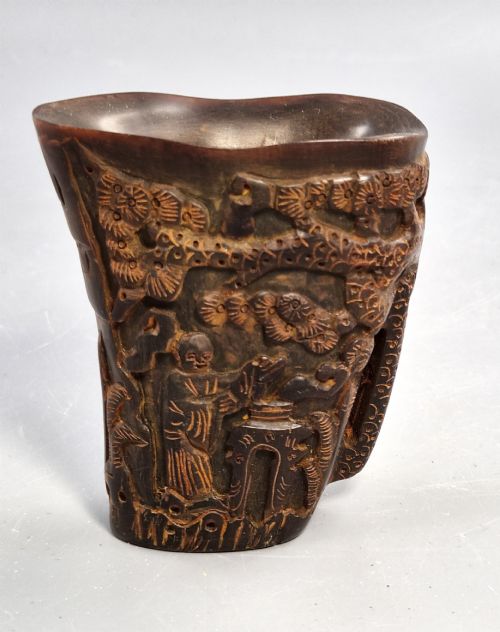
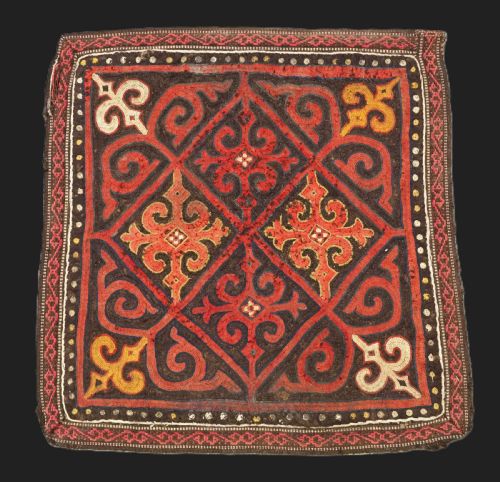
These asian horn antiques are carved water buffalo horn carvings, wool prayer rugs with rams horn motifs, and brass or copper standards.
Asian Horn Antiques
When you examine asian horn antiques, you encounter a varied group spanning water buffalo horn libation cups, carved scholar's brush washers, and woven textile panels. The pieces on this page also include Turkmen prayer rugs featuring rams horn mihrabs, alongside pipe case holders and ceremonial standards.
The objects originate from distinct cultural traditions, including Qing Dynasty workshops, Turkmen tribal weaving, and Tibetan metalwork. These items combine utilitarian function with intricate symbolic carving and textile design.
You are most likely to meet carved horn vessels from the late nineteenth century alongside nomadic prayer rugs displaying traditional geometric motifs. Each piece reflects specific regional craftsmanship from the Victorian era up to the early twentieth century.
How they were made
Carved pieces utilise water buffalo horn, shaped and undercut with deep relief to depict figures, pine trees, and scholars objects. Artisans also employed bone and copper alongside white metal for specialised decorative objects and lamps.
Textiles rely on wool, felt, and fabric, incorporating dense embroidery techniques to create prayer rugs and torbas with distinct tribal patterns. These traditional methods demand precise hand manipulation of local materials by skilled makers.
Asian Horn Antiques Retail Price Guide 2026
Typical asking prices for asian horn antiques among the pieces listed under this phrase on Sellingantiques today, from the lower quarter to the upper quarter. They describe what is for sale here now, not the wider market.
Listings feature items from the 19th Century, Victorian era, and early 20th century up to 1920.
What varies in quality
The depth and clarity of the carving distinguish finer horn libation cups and brush washers from simpler horn items. Superior examples display crisp undercut details in figures and natural elements without surface splitting.
Textile quality rests on the tightness of the wool weave, the vibrancy of the felt embroidery, and the preservation of the rams horn mihrab geometry. Stronger pieces retain intact borders and structurally sound foundations across the carpet surface.
The Asian Horn Antiques Glossary
- Libation cup
- A ceremonial vessel used for pouring liquids during rituals or special gatherings. These vessels often feature detailed figurative carvings across the exterior.
- Mihrab
- A niche in a prayer rug design that indicates the direction of prayer. In these pieces, the arch frequently incorporates distinctive rams horn motifs.
- Torba
- A small tribal wall hanging or storage bag produced by Turkmen weavers. They typically display characteristic geometric patterns and rich wool construction.
- Netsuke pipe case holder
- A small toggle device used in traditional Japanese dress to suspend pipe cases from a sash. These items are carved from dense organic materials like horn or bone.
- Scholar's brush washer
- A small vessel utilised on a scholar's desk for rinsing calligraphy brushes. They are carved from water buffalo horn or other dense materials during the Qing Dynasty.
Asian Horn Antiques: Frequently Asked Questions
What are asian horn antiques?
These pieces comprise carved water buffalo horn vessels, scholar's brush washers, and various textile panels featuring rams horn designs.
They reflect diverse cultural traditions from Tibetan metalwork to Turkmen tribal weaving and Qing Dynasty carving.
How were horn objects used?
Carved horn vessels served as ceremonial libation cups or desk accessories for scholars during the nineteenth century.
Other items functioned as protective pipe case holders or decorative standards within homes and temples.
How do I care for wool rugs?
Protect antique wool and felt prayer rugs from direct sunlight to prevent fading of the natural dyed fibres.
Vacuum gently using a suction-only attachment and keep the textile surfaces dry to preserve the embroidery.
How are periods identified?
Periods are determined through stylistic markers such as Qing Dynasty carving depths and Turkmen tribal weaving structures.
Materials like water buffalo horn, felt, and copper also help anchor objects within the nineteenth and early twentieth centuries.