







Asian Enamel Art
Asian enamel art encompasses vibrant decorative pieces from Japanese and Chinese workshops, offering intricate metalwork and rich colours that command attention in any interior.
Asian Enamel Art
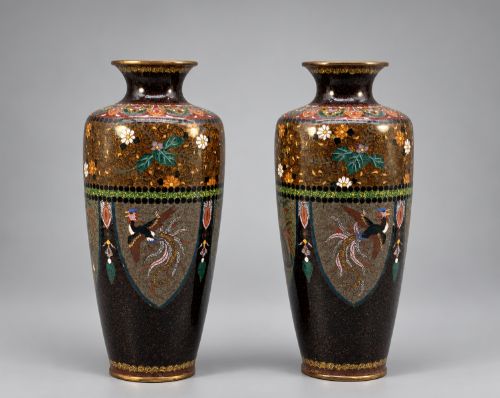
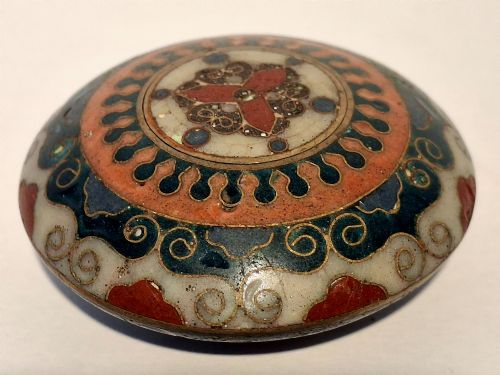
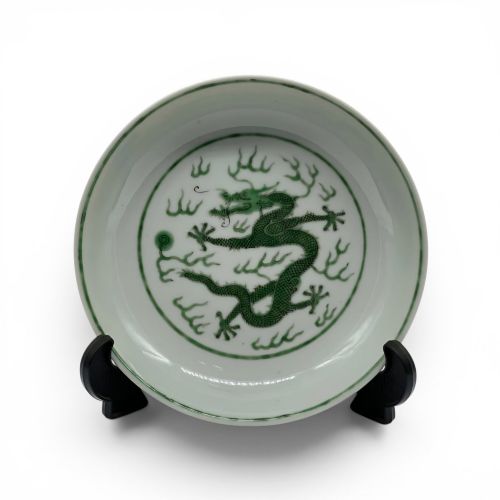
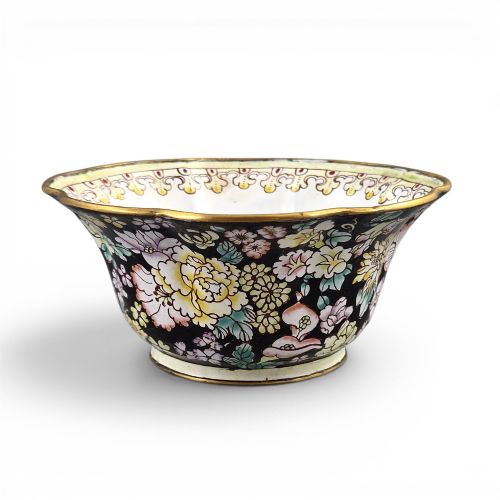
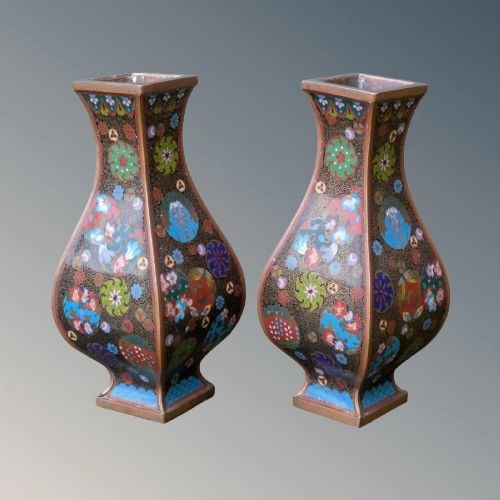
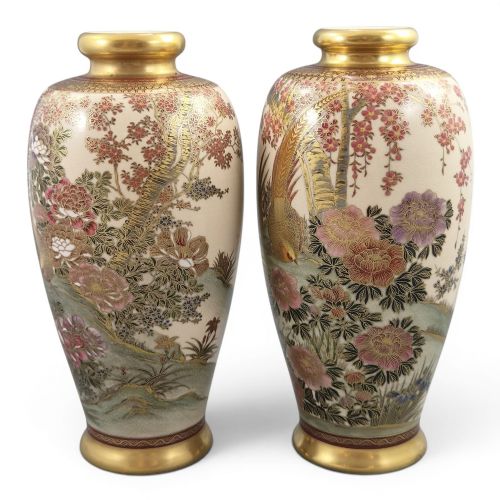
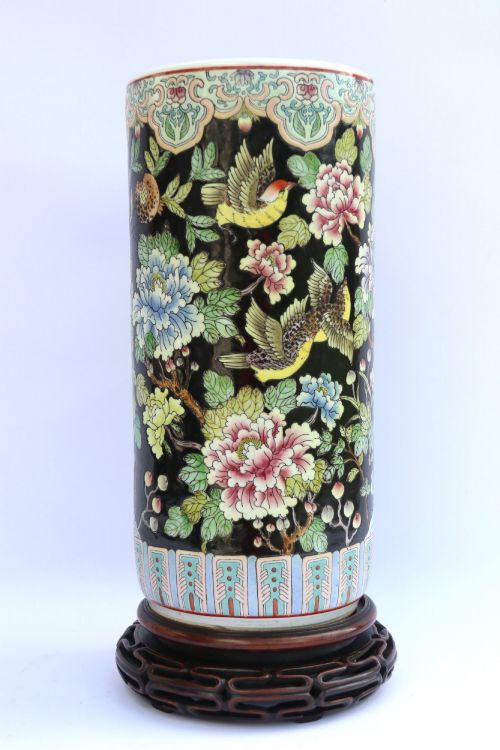
Asian enamel art centres on decorative vessels and dishes created across East Asian dynasties and periods. Buyers encounter Japanese Meiji period cloisonné vases, chargers and lidded ginger jars alongside Chinese painted enamel bowls.
The objects span from nineteenth-century specimens to early twentieth-century examples. Japanese cloisonné and Chinese copper or porcelain enamel work dominate the selection available here.
Materials and construction
Artisans built these works using copper, brass or porcelain as a foundation, applying vitreous enamel within wire cells or directly onto the metal surface. Gold leaf, bronze and earthenware also feature across various vessels and figures.
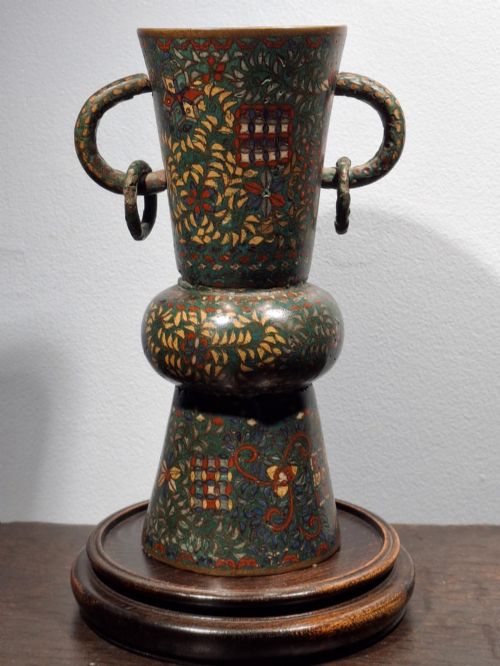
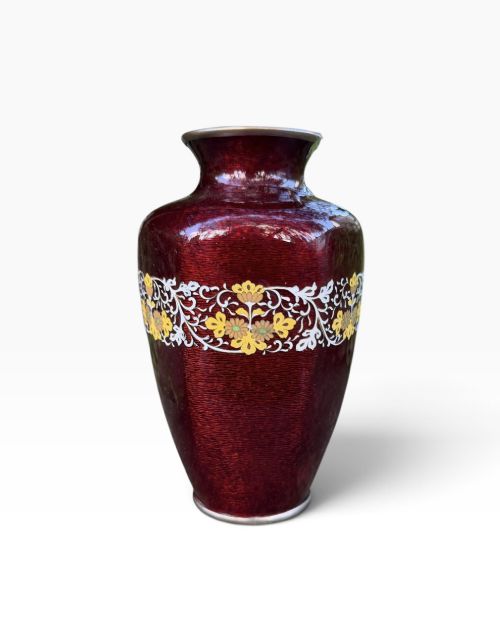
Techniques such as cloisonné and champlevé involve soldering delicate metal wires to form compartments before firing coloured glass pastes. Ginbari methods introduce embossed foil beneath translucent enamel to create textured depth.
Asian Enamel Art Retail Price Guide 2026
Typical asking prices for asian enamel art among the pieces listed under this phrase on Sellingantiques today, from the lower quarter to the upper quarter. They describe what is for sale here now, not the wider market.
Some vessels double as homes for immortal gods and leaping koi, proving that even a ginger jar needs a good story.
Judging quality in Asian enamel art
Excellence rests in the precision of the wirework and the uniformity of the enamel surface. Master artisans achieved thin, even cell walls and flawless firing without pitting or discoloration.
Complexity of design and depth of palette distinguish finer works. Pieces depicting detailed fauna, flora or symbolic motifs with sharp contrast represent superior craftsmanship.
Manpei Kobe
The Asian Enamel Art Glossary
- Cloisonne
- A technique where thin metal wires are soldered to a metal base to create compartments filled with enamel paste. These cells hold the vitreous colours in place during the firing process.
- Champleve
- A method where troughs or cavities are gouged into a metal surface to receive enamel. The surrounding metal remains visible as part of the final design.
- Ginbari
- A Japanese technique involving textured foil applied beneath translucent enamel. This creates a shimmering background pattern visible through the coloured glaze.
- Charger
- A large ornamental plate intended for display rather than dining. These wide surfaces often showcase elaborate pictorial scenes.
- Netsuke
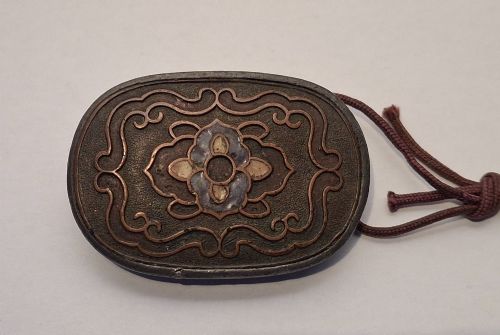
- A small carved toggle used to secure small pouches to traditional Japanese garments. Enamel and metal versions frequently incorporate intricate decorative patterns.
Asian Enamel Art: Frequently Asked Questions
How do I care for antique enamel pieces?
Clean enamel surfaces gently with a soft, dry cloth to remove dust. Avoid chemical cleaners or immersion in water to protect fragile metal wires and glazes.
Keep pieces away from direct sunlight and extreme temperature fluctuations to prevent the metal and glass from expanding at different rates.
How do I identify Meiji period pieces?
Japanese Meiji period works date from 1868 to 1912, a time of rapid artistic refinement and international export. These items often display exceptional technical precision and naturalistic motifs like birds and flowers.
Examining the base and wire gauge helps confirm the period. Earlier nineteenth-century examples tend to use heavier copper foundations and softer colour palettes.
Were these items made for export?
Many Japanese and Chinese enamel works from the nineteenth century onward were produced specifically for Western export markets. Makers tailored the scale and decorative themes to appeal to European and American collectors.
Despite commercial production, master workshops maintained high artistic standards, resulting in richly detailed chargers, vases and jars.