





Asian Dragon Light
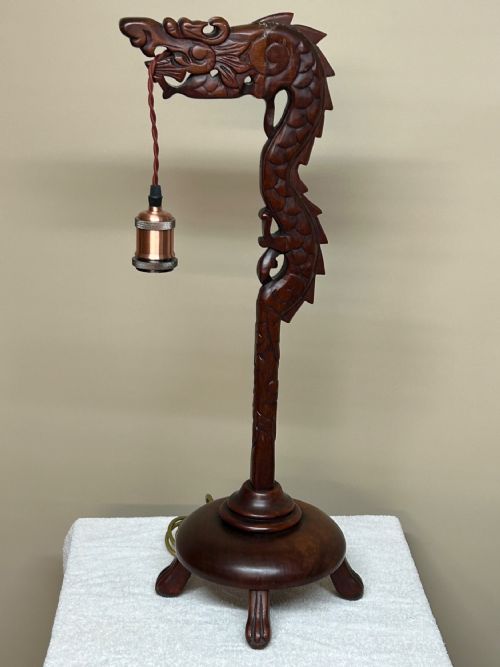
An asian dragon light brings a sculptural presence to a room, cast in bronze or carved from hardwood with unmistakable regional detail.
Asian Dragon Light
An asian dragon light encompasses decorative table lamps, floor lamps, and lantern stands rooted in nineteenth-century and early twentieth-century design. These pieces draw upon Qing Dynasty, Chinese Export, and Japanese Meiji period aesthetics to create striking interior illumination.
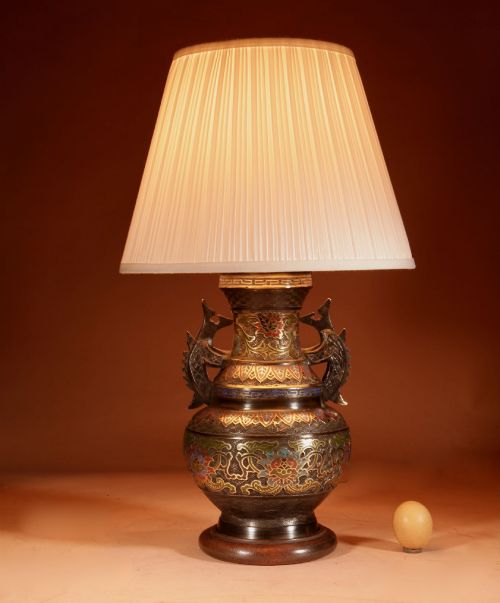
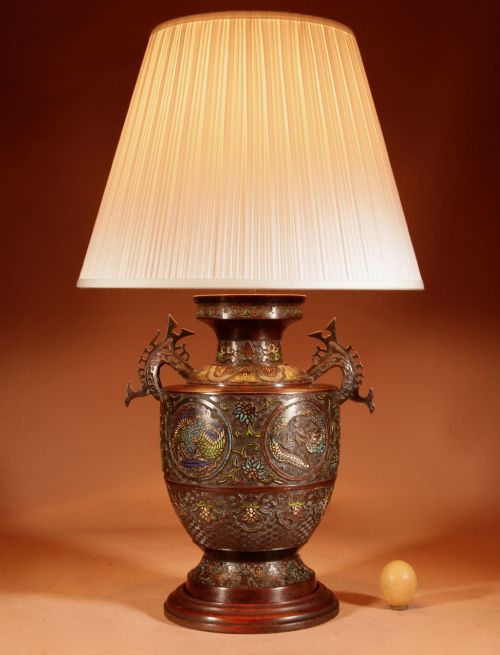
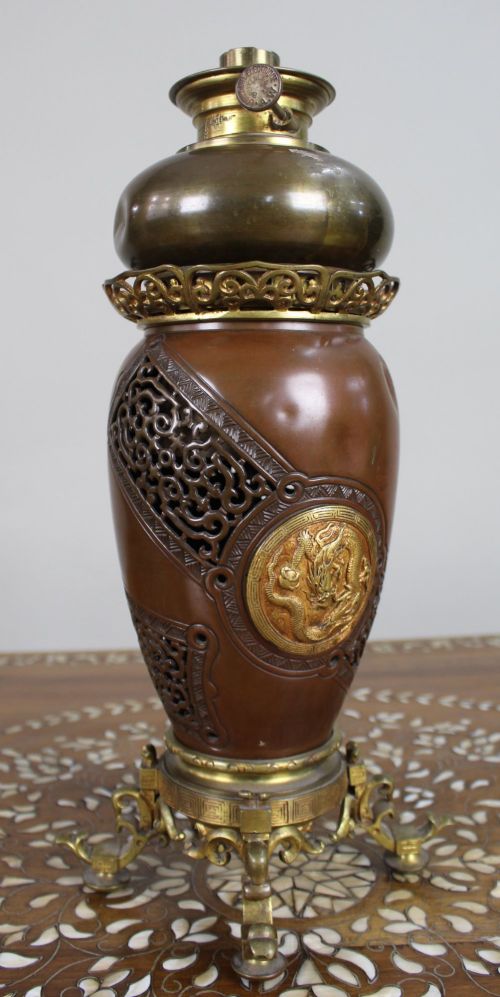
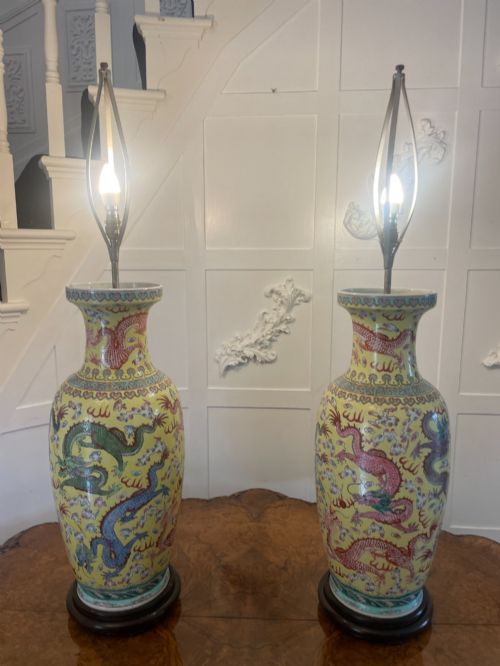
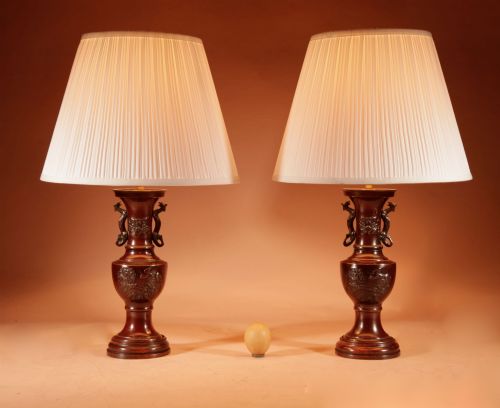
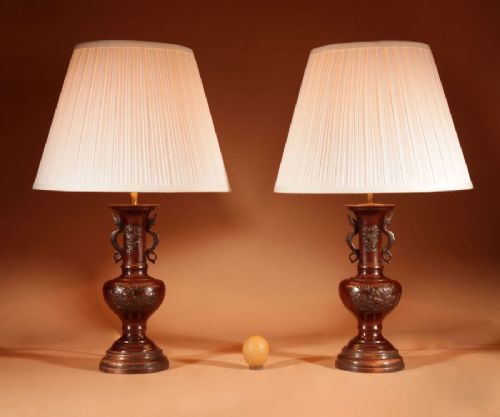
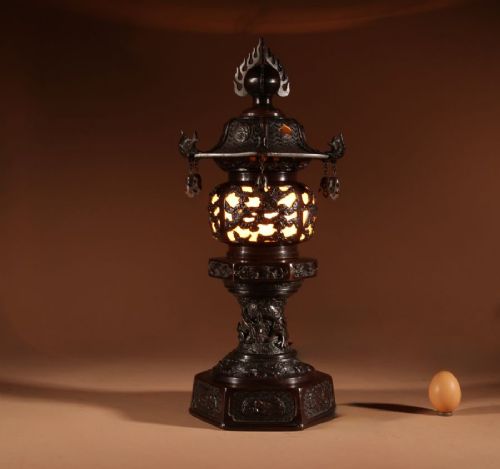
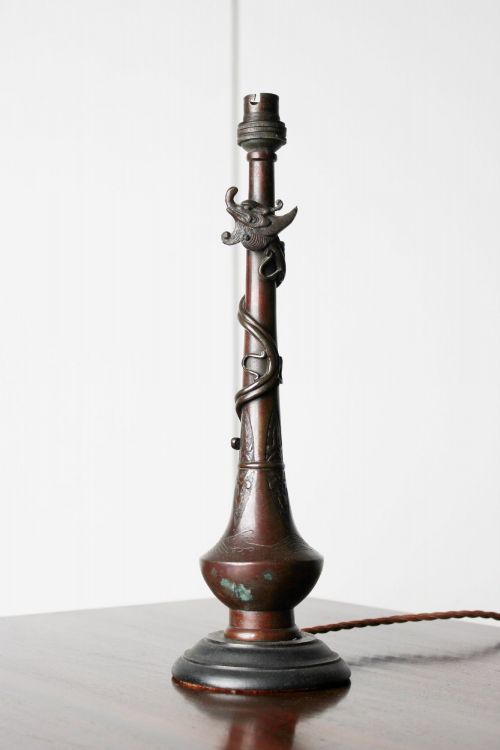
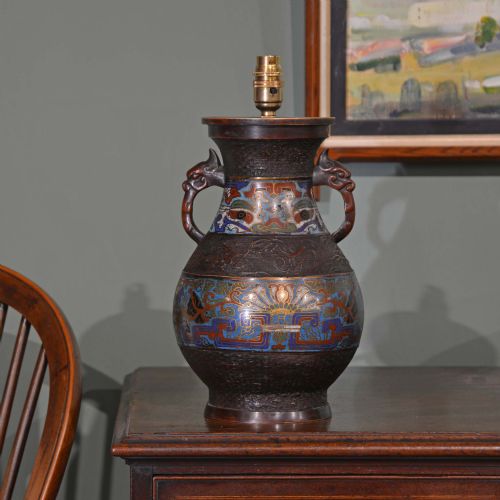
Buyers most frequently encounter bronze table lamps adorned with intricate dragon motifs alongside carved hardwood lantern stands. The selection spans distinct forms, from pairs of porcelain vase lamps to imposing bronze figures integrating mythical beasts.
Materials and construction
The construction of these pieces relies heavily on cast bronze and dense hardwood, often enriched with champlevé enamel or cloisonné work. Artisans combined metalworking and woodcarving traditions to produce durable frames that could support electrical fittings or traditional lantern structures.
Textured fabric shades frequently complete the composition, paired with porcelain bodies or glazed ceramic elements. The integration of varied materials reflects both traditional Asian craft techniques and later adaptation for Western interiors.
Asian Dragon Light Retail Price Guide 2026
Typical asking prices for asian dragon light among the pieces listed under this phrase on Sellingantiques today, from the lower quarter to the upper quarter. They describe what is for sale here now, not the wider market.
Current listings feature materials spanning bronze, brass, fabric, hardwood, enamel, porcelain, and glass across the nineteenth and early twentieth centuries.
Judging quality and craftsmanship
Quality rests in the crispness of the bronze casting and the depth of the carving within the hardwood components. Superior examples display sharply defined scales and claws on the dragon figures, alongside smooth, even enamel work where champlevé or cloisonné is applied.
The overall heft and structural integrity of the piece dictate its standing, with matched pairs commanding particular attention. Finer works exhibit careful proportion and harmonious integration between the decorative base and the functional lighting element.
The Asian Dragon Light Glossary
- Meiji Period
- The era in Japanese history spanning from 1868 to 1912, noted for metalwork and decorative arts exported to the West. Pieces from this time often feature elaborate bronze casting.
- Champlevé
- An enamelling technique where troughs are dug into a metal surface and filled with vitreous paste before firing. This method creates colourful decorative patterns on bronze lamp bases.
- Cloisonné
- A technique of creating designs on metal vessels by placing wires onto the surface and filling the resulting compartments with enamel. It appears on several period Chinese lamp bodies.
- Chinoiserie
- A European stylistic tradition reflecting Chinese artistic influences, seen in decorative lighting adaptations from the Victorian and Edwardian eras. This style blends domestic furniture forms with Eastern motifs.
- Lantern Stand
- A raised wooden or metal support originally designed to hold a traditional light source. Nineteenth-century examples are frequently converted into floor or table lamps.
Asian Dragon Light: Frequently Asked Questions
How do I identify a Meiji period bronze lamp?
Meiji period bronze lamps typically display high-relief casting of mythical creatures and deep patination developed over decades. Artisans of this era focused on anatomical precision and dynamic poses.
Examination of the underside or casting seams often reveals traditional Japanese foundry methods distinct from later European reproductions.
Are these lamps converted from original lanterns?
Many hardwood and bronze examples began as structural stands or vessels before receiving electrical wiring. Conversion was a common practice during the Edwardian and Victorian periods for imported Asian goods.
Collectors look for evidence of careful adaptation that preserves the structural integrity of the original carving or metalwork.
What is the difference between cloisonné and champlevé?
Cloisonné involves soldering flat metal wires onto a metal base to form cells which receive enamel paste. Champlevé instead carves troughs directly into the thick bronze body to hold the coloured enamel.
Both techniques produce durable decorative surfaces found on nineteenth-century Asian lighting fixtures.
How do I care for antique bronze and hardwood bases?
Bronze surfaces benefit from gentle dusting with a soft cloth to protect the natural patina from accumulating moisture or grime. Avoid abrasive cleaners that strip the historic finish.
Hardwood elements require occasional treatment with suitable wax to prevent drying and maintain the grain of the timber.